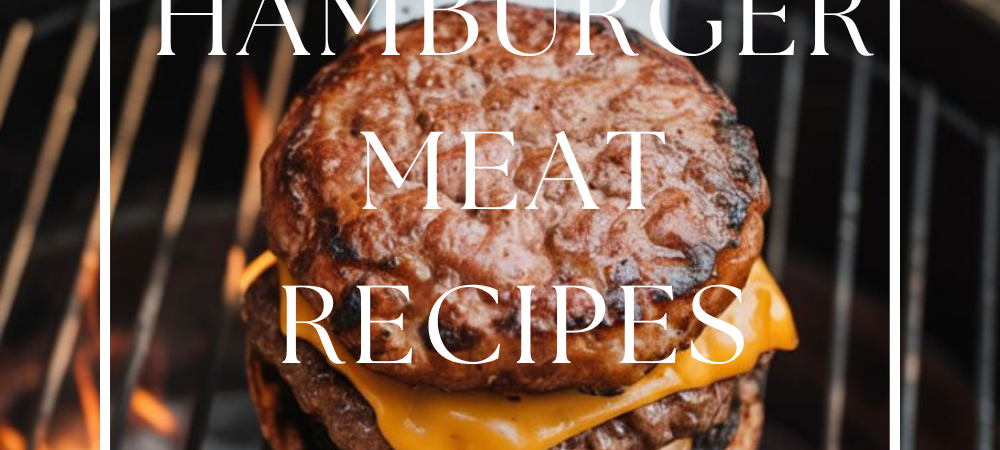
If “hamburger meat” makes you think of one thing — a round patty between two buns — you’re only using about a third of what a pound of ground beef can actually do. It’s one of the most flexible proteins in the grocery store, and lately it’s having a moment online for reasons that have nothing to do with burgers at all.
This round-up covers three hamburger meat recipes that show off that range: a proper smash burger for when only a burger will do, plus two trending dinners — a Korean-style beef bowl and a Big Mac-inspired bowl — that turn the same pound of ground beef into something completely different. None of these need anything fancy, and all three are weeknight-fast.
What ties them together is that none of them treat ground beef as filler. Each recipe leans into a different strength — crispy edges, a sticky-sweet glaze, a creamy drizzle — so the beef itself is doing the work, not just sitting under a pile of toppings.
Why Ground Beef Is the MVP of the Freezer
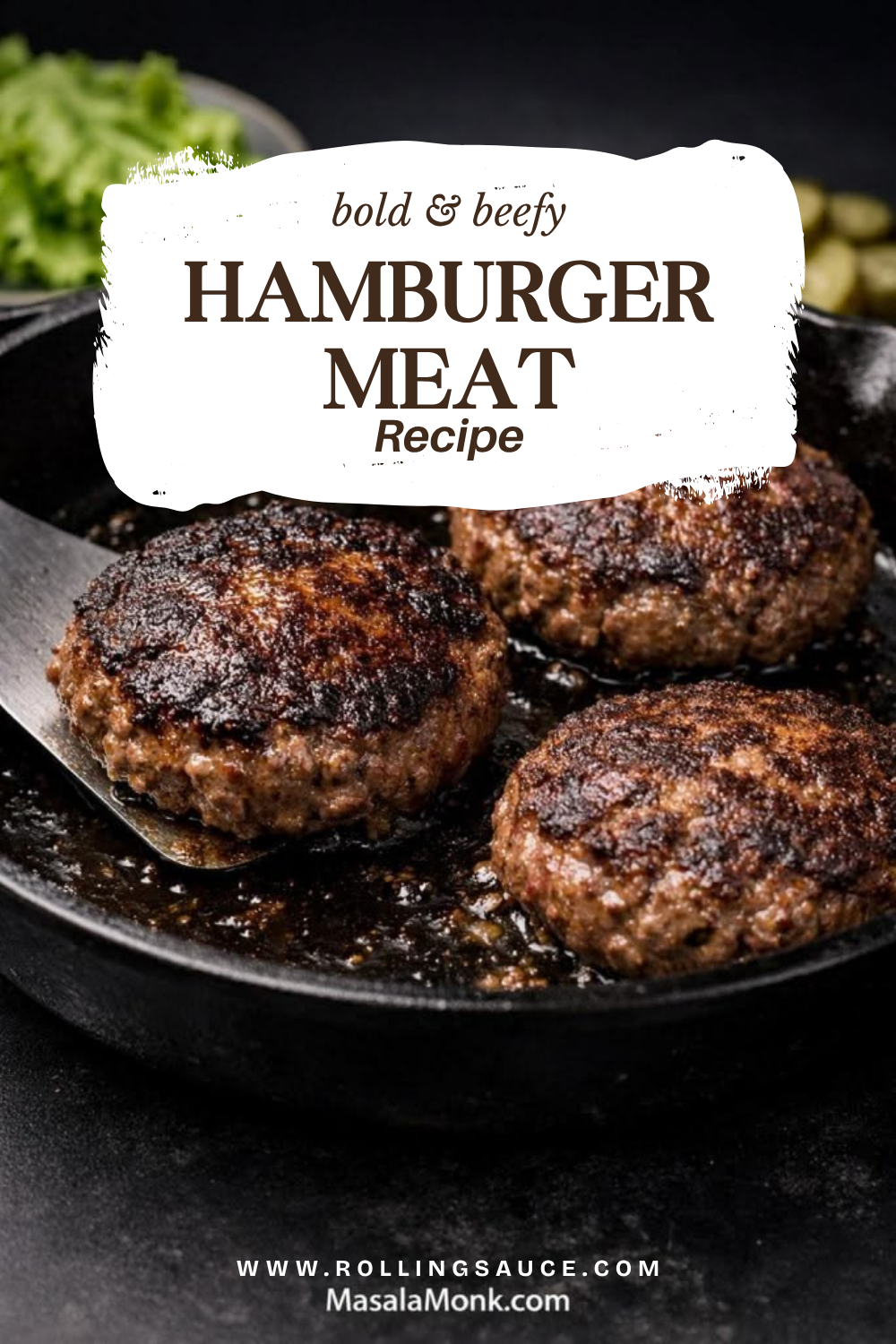
Ground beef is cheap, it’s everywhere, and it cooks in minutes — but the real reason it’s worth keeping a pound or two on hand is how differently it behaves depending on what you do with it. Smash it flat and sear it hard, and you get crisp, caramelized edges. Brown it loose in a skillet, and it becomes a base for sauces, bowls, and stir-fries that taste nothing like a burger.
The fat content matters more than people think, too. A fattier blend (80/20) gives you that juicy, crisp-edged result smash burgers are known for, while a leaner blend (90/10) works better in saucy bowl recipes where you don’t want a greasy puddle at the bottom.
There’s also a reason “ground beef bowl” recipes have taken over so much of the recipe internet lately. They solve the same problem stir-fries always have — a protein, a sauce, a starch, some crunch — but with an ingredient that’s already in most people’s fridges and doesn’t need any special prep. No marinating, no velveting, no trip to a specialty grocery store. Just a hot pan and a few pantry sauces.
Smash Burgers With Crispy Edges
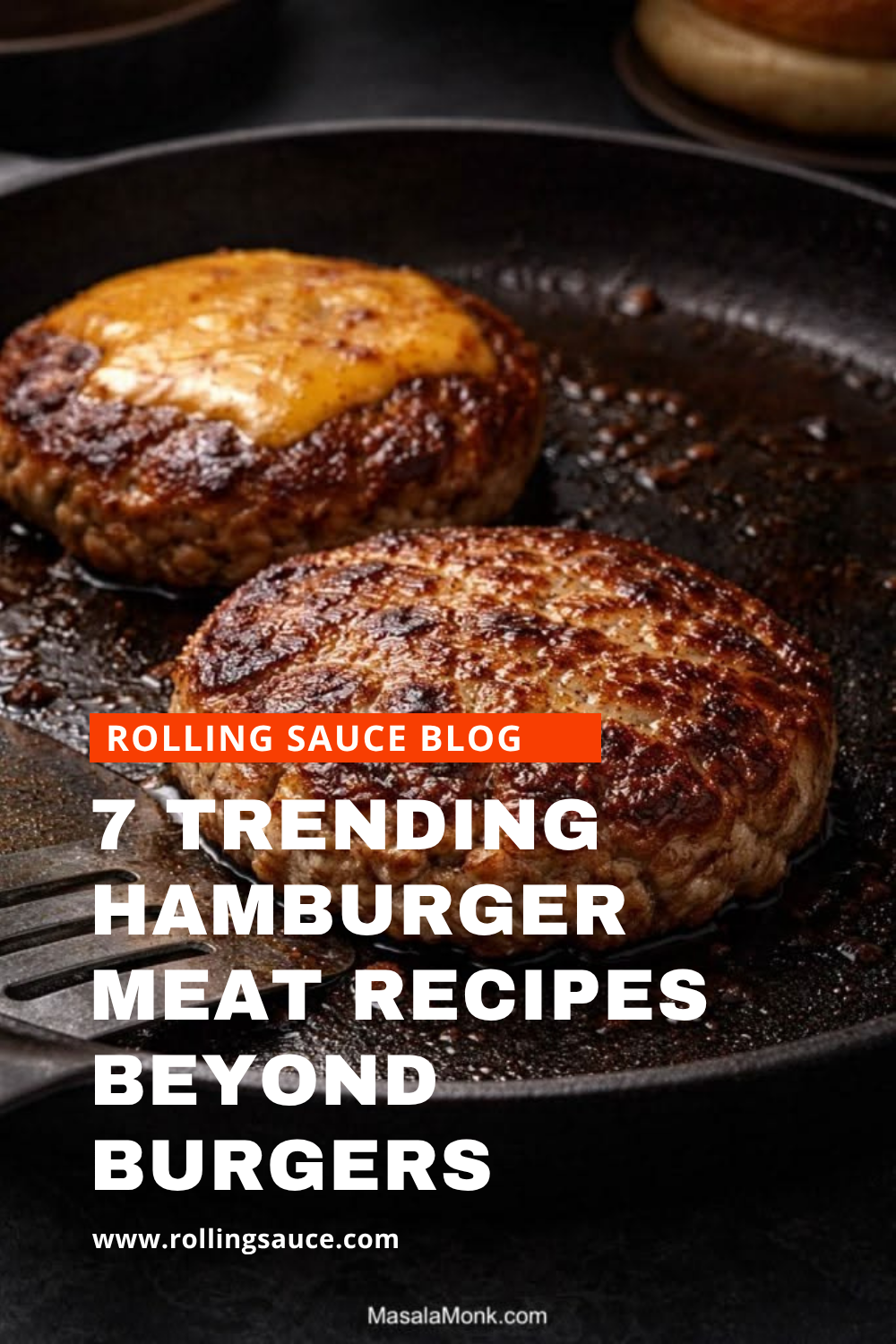
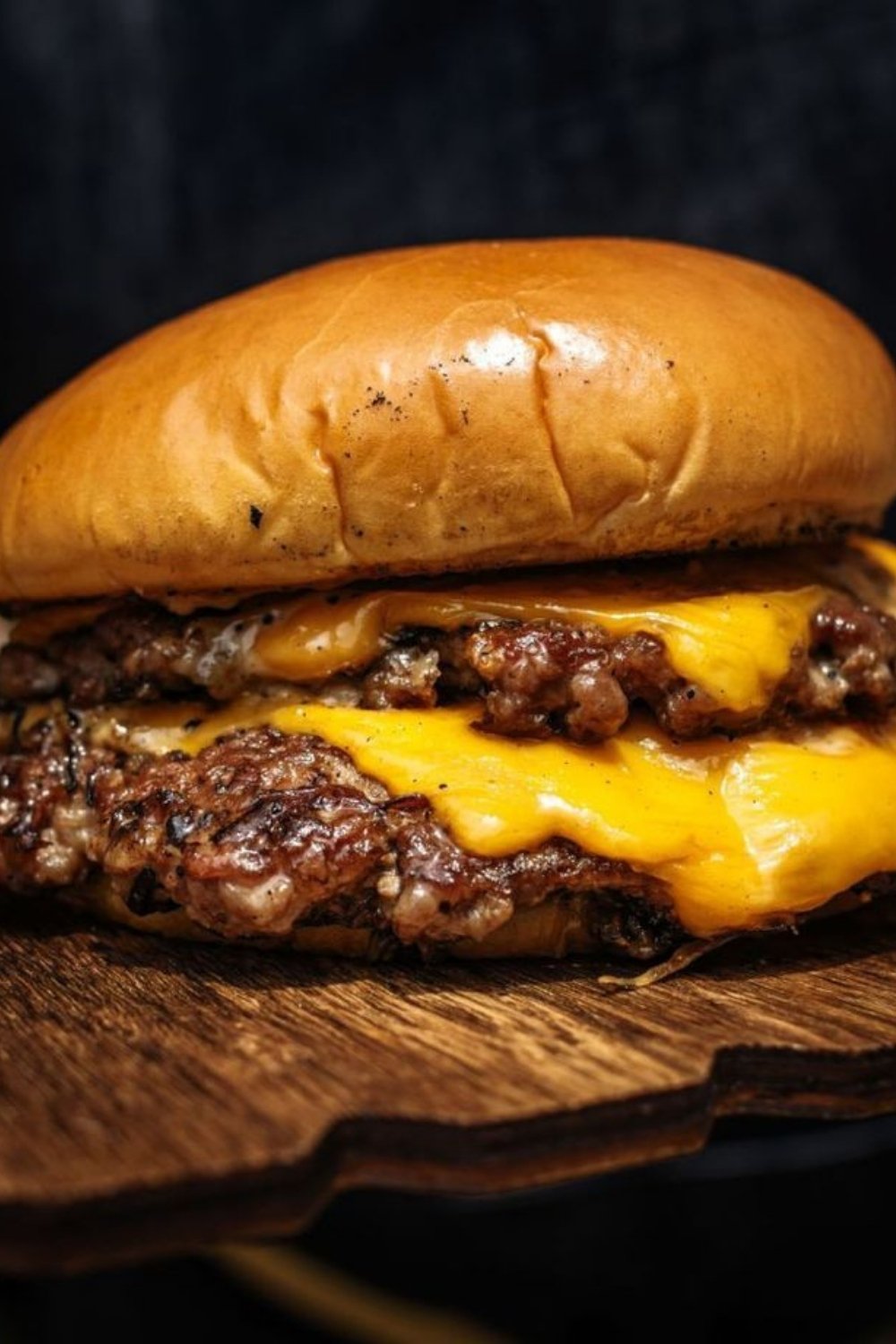
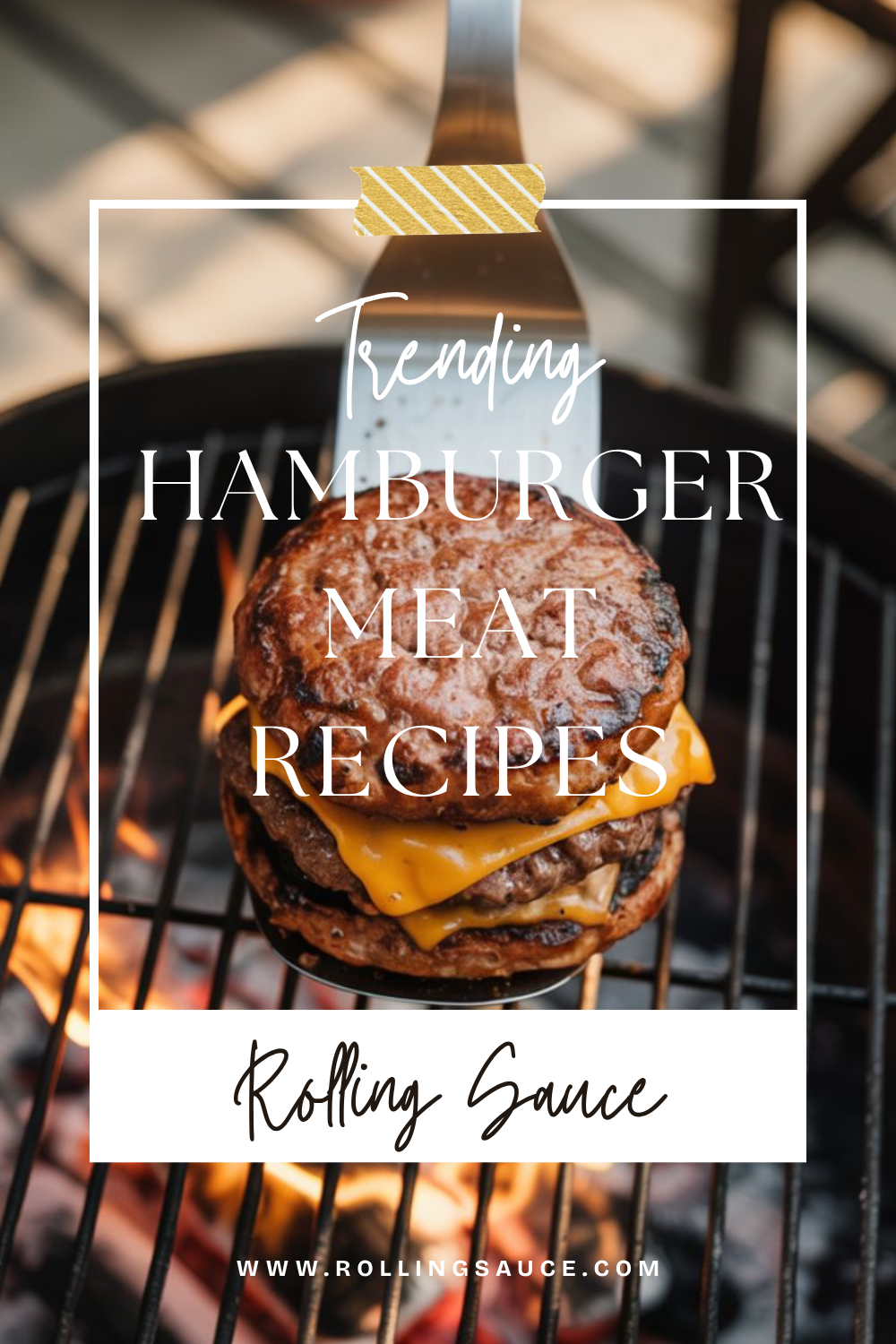
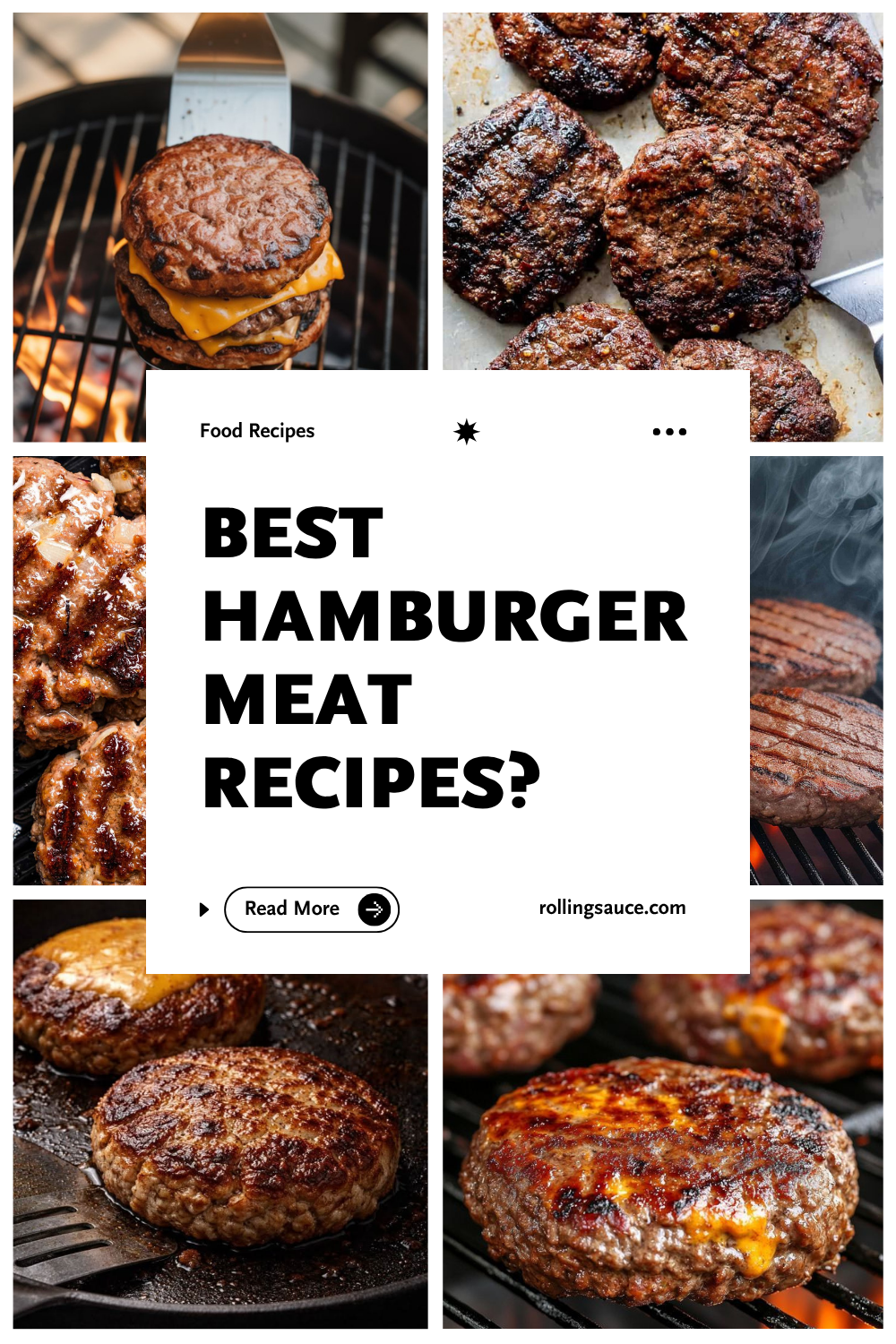
This is the one patty recipe on the list, and it earns its spot — smash burgers are about as close as home cooking gets to a fast-food cheeseburger, minus the drive-thru. The technique is the whole point: instead of forming a thick patty and grilling it slowly, you press loose balls of ground beef flat onto a screaming-hot skillet, which forces the fat to render quickly and creates a deeply browned, almost lacy crust.
The keys are a hot pan, a fattier blend of beef (80/20 works best), and not overworking the meat. You want loosely packed balls of beef, not tightly compacted patties — the looser the meat, the more those crispy little edges form when you smash it down.
Here’s the part that trips people up the first time: the smash itself needs to happen the moment the beef hits the pan, and it needs to be firm. A loose ball of beef goes onto a screaming-hot skillet, and within seconds you press it flat with a sturdy spatula — flat enough that the patty is noticeably wider than it was as a ball, with ragged, uneven edges. Those ragged edges are exactly what you want; they’re what crisps up into that craggy, almost lacy crust. Season the top with salt and pepper right after smashing, then let it sit, undisturbed, for about two minutes before flipping.
A simple tangy sauce — mayo, ketchup, mustard, and a little pickle brine — ties everything together, along with melted American cheese, shredded lettuce, and thin tomato slices. Toast the buns in the same pan once the patties come out, so they pick up some of that rendered beef fat. The whole thing, from cold beef to plated burger, takes about fifteen minutes.
If you want to turn this into a full burger night, a batch of quick ground beef recipes on the side gives you backup options for using the rest of the package.

Smash Burgers With Crispy Edges
Ingredients
Method
- Divide the ground beef into 4 loosely formed balls, about 4 oz each. Do not pack tightly.
- Heat a large skillet or griddle over high heat until very hot, about 3-5 minutes.
- Mix the burger sauce ingredients together in a small bowl and set aside.
- Place a beef ball on the hot skillet and immediately press flat with a sturdy spatula until thin and wide, with ragged edges.
- Season the top with salt and pepper. Cook undisturbed for about 2 minutes until deeply browned.
- Flip, top with a slice of cheese, and cook 1-2 minutes more until the cheese melts and the patty is cooked through.
- Toast the buns in the same skillet with the butter until golden.
- Assemble each burger with sauce, lettuce, tomato, pickles, and the cheesy patty.
Notes
- Storage: Cooked patties keep in the fridge for up to 3 days; reheat in a skillet to preserve crispness.
- Make ahead: Beef can be portioned into balls and refrigerated up to a day ahead.
- Swap: Ground chuck with a similar fat ratio works as well as pre-packaged 80/20.
Korean-Style Ground Beef Bowls
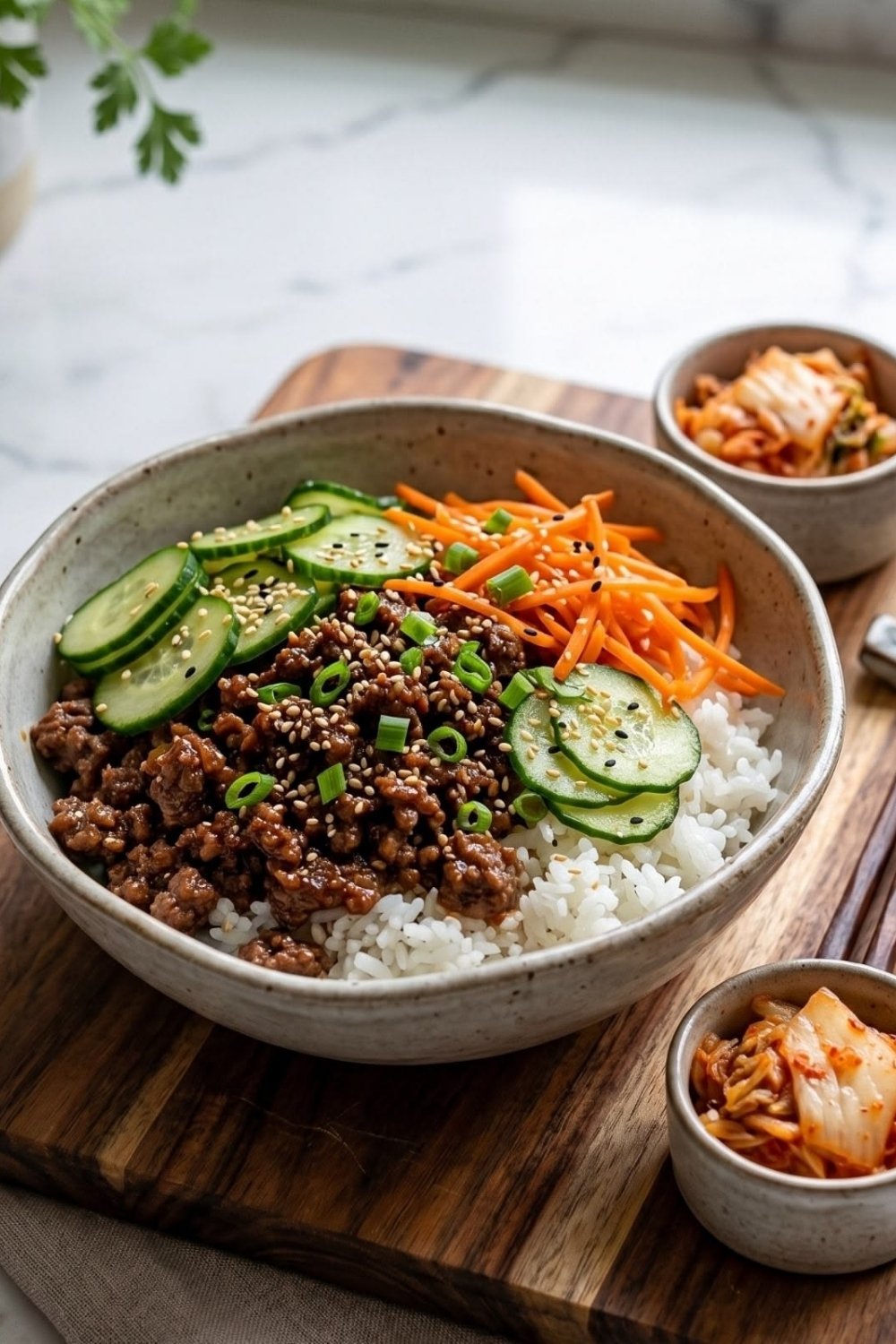
This is the recipe to make when you want something that tastes like it took effort but actually took fifteen minutes. Ground beef gets browned with garlic and a little fresh ginger, then tossed with a sauce built from soy sauce, brown sugar, and toasted sesame oil — sweet, salty, and just a little nutty, with a pinch of red pepper flakes for background heat.
The whole thing gets spooned over a bowl of rice, then topped with sliced cucumber, sesame seeds, and chopped green onion. The cucumber isn’t optional — its cool crunch is what keeps the bowl from feeling one-note, cutting through the richness of the beef the same way pickles cut through a burger.
What makes this one a weeknight favorite is how forgiving it is. The sauce comes together in the time it takes the beef to brown, there’s no marinating, and leftovers reheat beautifully the next day — the flavors actually deepen overnight. If you’re already a fan of this egg roll in a bowl, this is basically its sweeter, saucier cousin.
A note on the sauce: it’s a small list of ingredients, but each one is pulling double duty. The brown sugar balances the saltiness of the soy sauce, the sesame oil adds that toasted, slightly nutty background note that’s hard to place but unmistakable once it’s missing, and the ginger keeps the whole thing from tasting flat or one-dimensional. If gochujang (Korean chili paste) is something you keep on hand, a spoonful in place of the red pepper flakes adds a deeper, slightly funky heat — but the dish works fine without it.
This one is also easy to scale for meal prep. Double the beef and sauce, portion it over rice into a few containers, and you’ve got lunches that actually taste better by day two, once the sauce has had time to soak into the rice.
Korean-Style Ground Beef Bowls
Ingredients
Method
- Heat a large skillet over medium-high heat. Add the ground beef and cook, breaking it up, until browned, about 5-7 minutes.
- Add the garlic and ginger and cook for 1 minute until fragrant.
- In a small bowl, whisk together the soy sauce, brown sugar, sesame oil, red pepper flakes, and water.
- Pour the sauce over the beef and simmer for 1-2 minutes until slightly thickened and well coated.
- Divide rice among bowls and top with the beef mixture.
- Garnish with cucumber slices, green onions, and sesame seeds.
Notes
- Storage: Keeps in the fridge for up to 4 days; flavors deepen overnight.
- Make ahead: Beef mixture can be made ahead and reheated on the stove.
- Swap: Ground turkey or chicken can replace beef; a pat of butter can replace sesame oil.
Big Mac Bowls
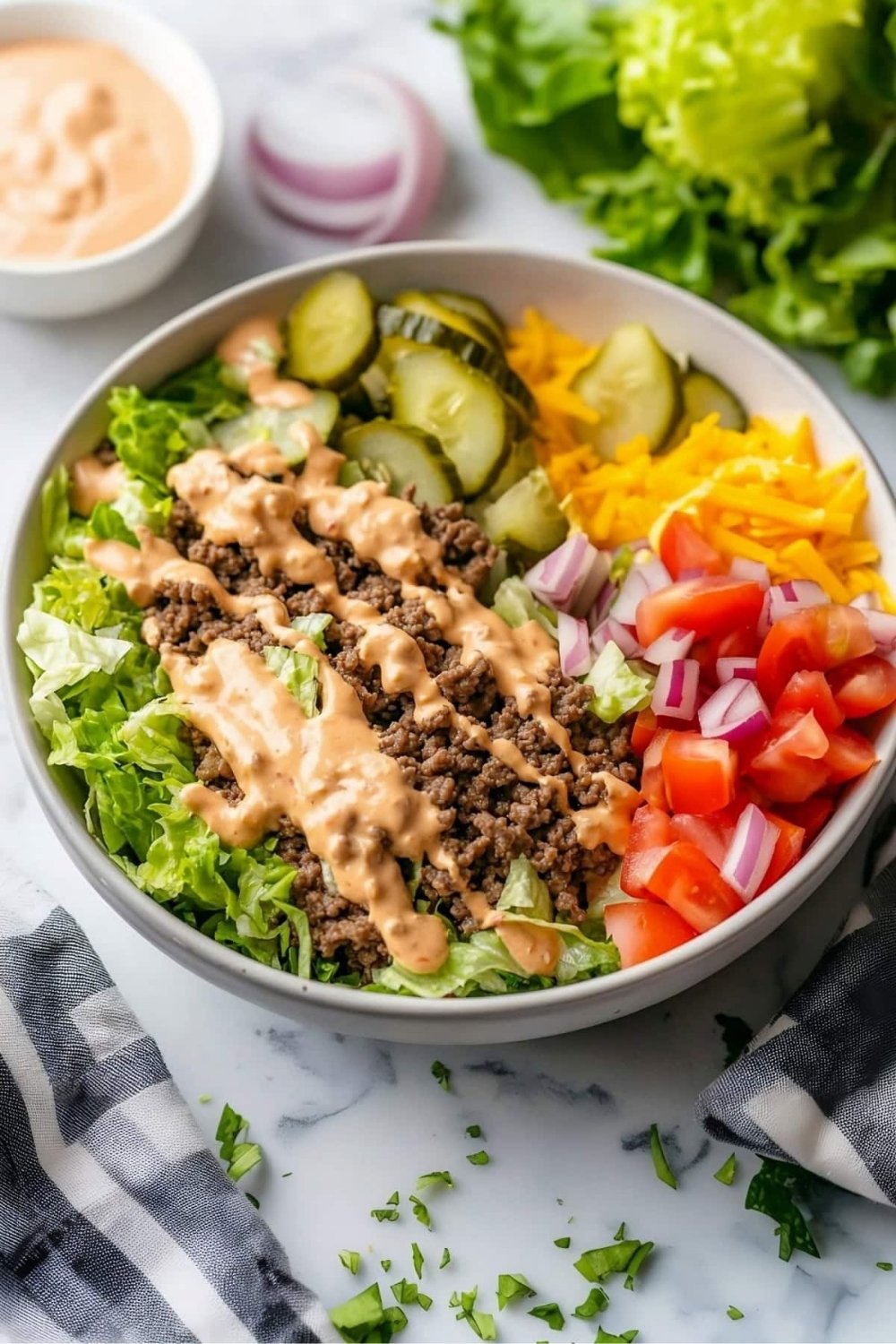
This is the recipe that’s been everywhere lately, and it’s easy to see why — it takes everything people actually love about a Big Mac and skips the parts that make it soggy by lunchtime. Ground beef gets seasoned simply (salt, pepper, a little garlic) and browned in a skillet, while a quick special sauce comes together from mayo, ketchup, mustard, and sweet pickle relish.
To build the bowl, start with a base of shredded lettuce — or rice, if you want something heartier — then layer on the warm beef, a generous handful of shredded cheddar, chopped pickles, and thin slices of red onion. The special sauce goes on last, drizzled over everything so it soaks slightly into the warm beef without drowning the crunchy toppings.
It’s the kind of dinner that feels like a treat but is genuinely simple to throw together on a Tuesday — one skillet for the beef, one bowl for the sauce, and whatever toppings you have on hand. If you’ve got leftover taco fixings from taco soup night, most of those toppings will work here too.
The special sauce is really just a dressed-up version of the kind of thing most people already have in the fridge — mayo, ketchup, mustard, and relish — but the ratio matters. Too much ketchup and it tastes like a burger condiment; too much mayo and it’s just a creamy dressing. Aim for mostly mayo with just enough ketchup to give it that pale orange color and a small spoonful of relish for texture and tang.
For the base, lettuce keeps things lighter and closer to a salad, while rice turns it into something heartier and more like a true dinner bowl. Either way, build the bowl while the beef is still warm — the heat helps the cheese melt slightly into the meat, and the cold, crunchy toppings on top create that contrast that makes the whole thing feel indulgent without anything actually being fried.
Big Mac Bowls
Ingredients
Method
- Heat a skillet over medium-high heat. Add the ground beef, garlic powder, salt, and pepper.
- Cook, breaking up the meat, until browned and cooked through, about 6-8 minutes. Drain excess fat if needed.
- While the beef cooks, whisk together the mayonnaise, ketchup, relish, and mustard for the special sauce.
- Divide the lettuce (or rice) among bowls.
- Top with the warm beef, shredded cheddar, chopped pickles, and red onion.
- Drizzle generously with the special sauce and serve immediately.
Notes

How to Pick and Store Ground Beef for Any of These
A few small choices at the grocery store make a real difference in how any of these three recipes turn out.
Match the fat ratio to the recipe. Use 80/20 for the smash burgers — that extra fat is what creates the crispy edges. For the two bowl recipes, 90/10 (or anything leaner) keeps things from getting greasy, since you’re not draining the beef before serving.
Buy it cold, cook it soon. Ground beef has more surface area than a steak, which means more exposed area for bacteria to grow. Plan to use it within a day or two of buying it, or freeze it right away if you’re not cooking that week.
Freeze it flat. If you’re freezing a pound for later, press it into a flat layer inside a freezer bag before sealing. It freezes faster, takes up less space, and thaws in a fraction of the time of a frozen block.
Don’t crowd the pan when browning. For the bowl recipes especially, give the beef room to actually brown rather than steam. A too-full skillet means gray, boiled-looking beef instead of the deeper flavor that comes from real browning. According to the USDA’s guidance on ground beef, cooking to an internal temperature of 160°F is the safe target for all three of these recipes — a quick check with an instant-read thermometer takes the guesswork out of it.
Season before it hits the pan, not after. Mixing salt directly into raw ground beef before shaping (for the smash burgers) or before browning (for the bowls) gives the seasoning time to actually penetrate, instead of just sitting on the surface.
Let it rest at room temperature briefly before cooking, but not too long. Pulling beef straight from the fridge to a hot pan means the outside cooks faster than the inside ever catches up — especially for the smash burgers, where that hot pan is doing all the work. Ten minutes on the counter while you prep toppings is enough to take the worst of the chill off without raising any food safety concerns.
Easy Swaps If You’re Working With What’s On Hand
None of these three recipes are precious about substitutions, which is part of why they’re worth keeping in regular rotation.
Ground turkey or chicken can stand in for beef in either bowl recipe — the sauces are doing most of the flavor work, so a leaner protein still tastes good. For the smash burgers, stick with beef; the technique really does depend on that higher fat content rendering out in the pan.
No sesame oil? A small pat of butter stirred in at the end of the Korean beef bowl gets you most of the way there — you’ll lose some of the nutty aroma, but the richness still rounds out the sauce.
Rice swaps work in both bowl recipes. Cauliflower rice keeps things lighter, while a scoop of mashed potatoes under the Big Mac bowl turns it into something closer to a loaded baked potato. Leftover restaurant-style fried rice also works surprisingly well under the Korean beef — the flavors don’t clash as much as you’d expect.
No buns for the smash burgers? Lettuce wraps work, or skip the bun entirely and turn the patties into the protein for a bowl of their own — just add whatever toppings you’d use on the Big Mac bowl.
Which One Are You Making First?
Three very different dinners, one grocery list. If you’re feeding a crowd that wants something familiar, the smash burgers are the easy win — they’re done in fifteen minutes and nobody’s ever disappointed to see a burger on the table. If it’s a weeknight and you want something that tastes like more effort than it is, the Korean beef bowls are hard to beat. And if you’re craving fast food without the drive, the Big Mac bowl scratches that itch better than you’d expect, minus the regret an hour later.
Whichever one you start with, the other two are worth bookmarking. A pound of ground beef in the fridge stops being “just burgers” once you’ve made all three — and if you’re looking for more ways to stretch it, 30-minute beef stroganoff and stuffed bell peppers are two more ways this same pantry staple earns its keep. Save this one for the next time you’re staring at a package of ground beef trying to decide what it wants to be tonight.