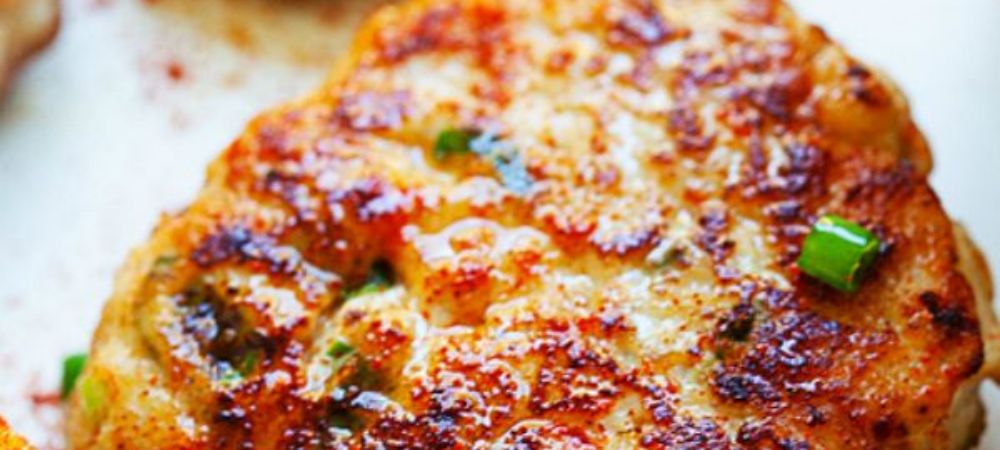
Ground chicken has a reputation problem. Open the comments on almost any recipe that calls for it and you’ll find someone complaining that theirs turned out dry, bland, or rubbery — and if you’ve ever cooked it without much of a plan, you’ve probably run into the same thing.
Here’s the thing, though: ground chicken isn’t actually the problem. It’s lean, which means it needs a little help in the moisture and flavor department, but once you know what that help looks like, it turns into one of the easiest proteins to keep in regular rotation. It takes on sauces well, cooks fast, and works across pretty much every cuisine you can think of.
This post rounds up three ground chicken recipes that show off exactly that range: a batch of Asian-style lettuce wraps, a tray of glazed meatballs, and a burger that doesn’t taste like it’s missing the beef. Each one leans on a different trick for keeping ground chicken from drying out, so by the end you’ll have a few techniques you can carry into basically any ground chicken recipe from here on.
Part of why ground chicken is worth keeping around is how much it changes depending on what you build around it. The same pound of meat can lean savory and saucy, get formed into something you’d serve at a barbecue, or turn into a quick weeknight dinner with whatever sauce is already in the fridge. None of that versatility shows up if the chicken itself turns out dry, which is exactly why each recipe below starts with a technique for fixing that before flavor even comes into the picture.
Asian-Style Ground Chicken Lettuce Wraps
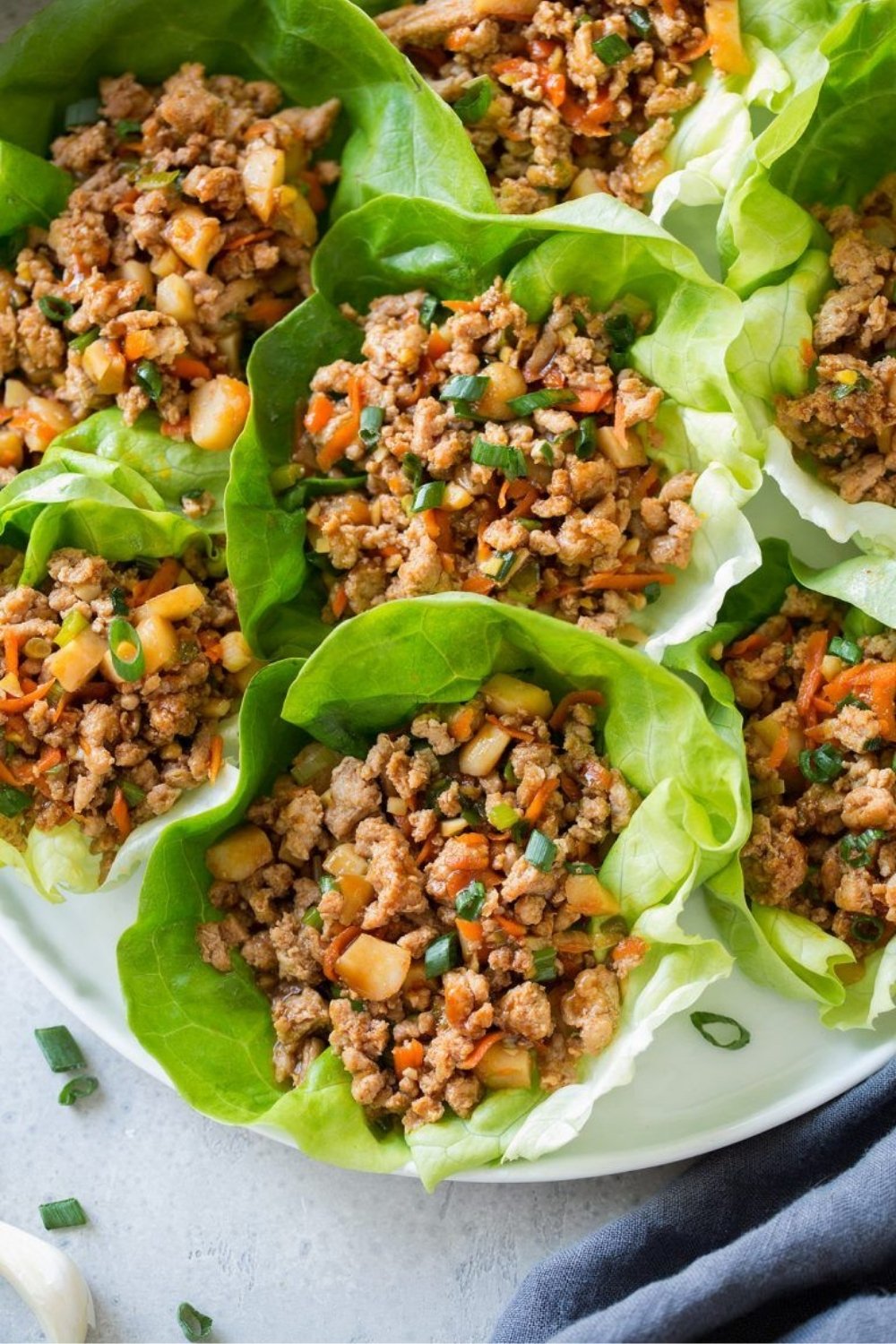
These lettuce wraps are the kind of dinner that feels like takeout but comes together faster than delivery would actually arrive. Ground chicken cooks with garlic, ginger, and a savory-sweet hoisin sauce, then gets piled into crisp lettuce cups along with diced water chestnuts for crunch.
The sauce itself is built from a handful of staples — hoisin, soy sauce, a touch of rice vinegar, and a little sesame oil — which is part of why this comes together so quickly. There’s no long ingredient list or hard-to-find items, just a combination that tastes a lot more complex than the short shopping list suggests.
The trick with this one is in how the chicken hits the pan. Letting it sit for a minute before stirring gives it a chance to brown a little on one side first, which builds more flavor than constantly moving it around would. The sauce goes in toward the end, just long enough to coat everything without turning the filling soggy.
If you’re a fan of my egg roll in a bowl, this is basically that same flavor profile in a different format — same pantry staples, different presentation. It works well as a light dinner, or split into smaller portions as a starter for a few people.
Make it your own: Swap the lettuce cups for warm tortillas if you’d rather make this more of a wrap than a hand-held lettuce situation, or serve the filling over rice for a quick bowl. A sprinkle of chopped peanuts or sesame seeds on top adds a bit of crunch that plays nicely against the soft filling.

Asian-Style Ground Chicken Lettuce Wraps
Ingredients
Method
- Heat the vegetable oil in a large skillet over medium-high heat. Add the ground chicken in an even layer and let it cook undisturbed for 1-2 minutes before breaking it up.
- Continue cooking, breaking the chicken into smaller pieces, until mostly cooked through, about 4-5 minutes.
- Add the garlic and ginger and cook for 1 minute, until fragrant.
- Stir in the water chestnuts, hoisin sauce, soy sauce, rice vinegar, and sesame oil. Cook for 2-3 minutes, until heated through and the chicken is fully cooked.
- Remove from heat and stir in the sliced green onions.
- Spoon the chicken mixture into lettuce leaves and top with sesame seeds or chopped peanuts, if using.
Notes
- Storage: Filling keeps in an airtight container in the fridge for 3-4 days.
- Make ahead: The filling can be made ahead and reheated in a skillet — keep the lettuce separate until serving so it stays crisp.
- Swap: Serve over rice or in warm tortillas instead of lettuce for a different format.
Honey Garlic Glazed Ground Chicken Meatballs
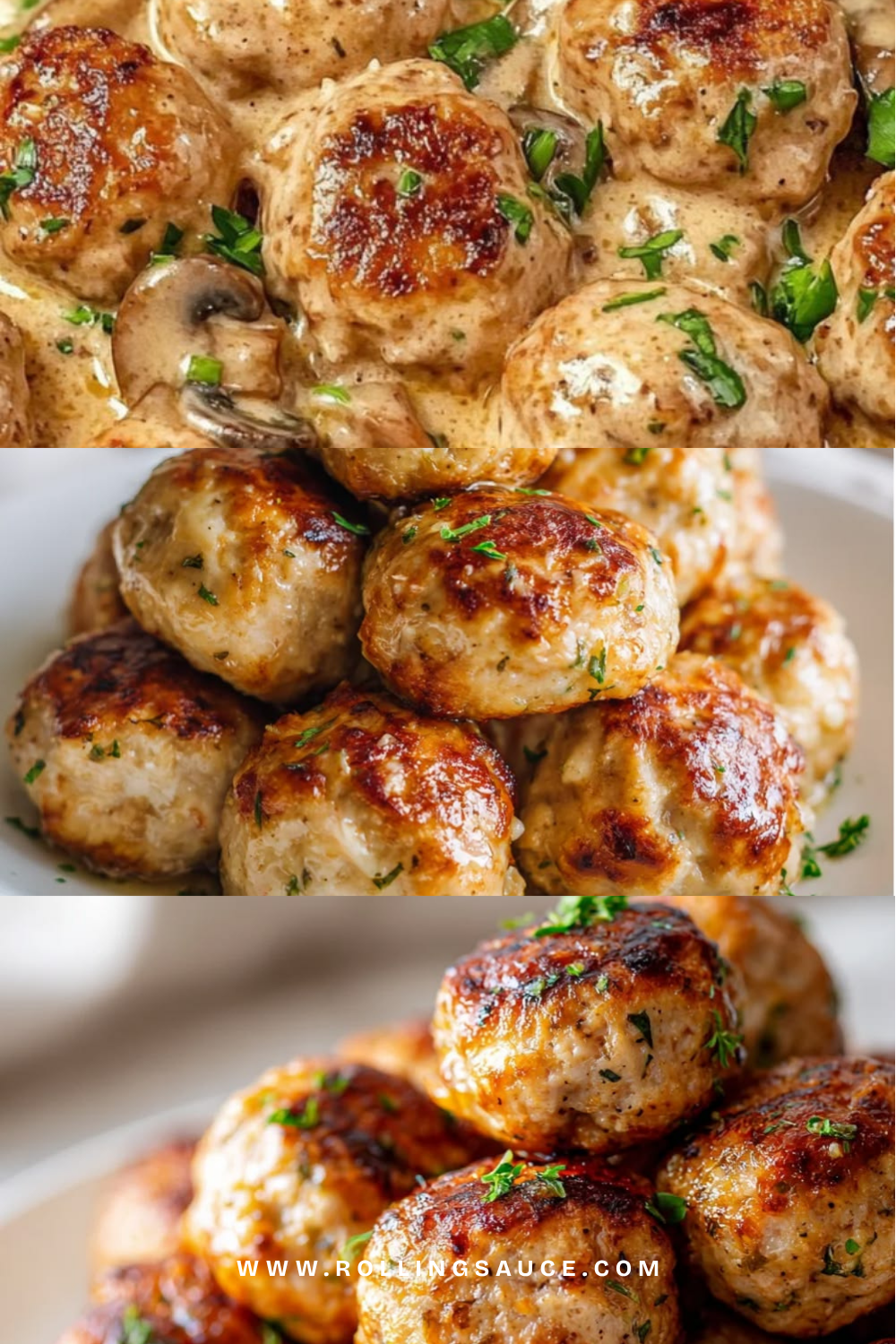
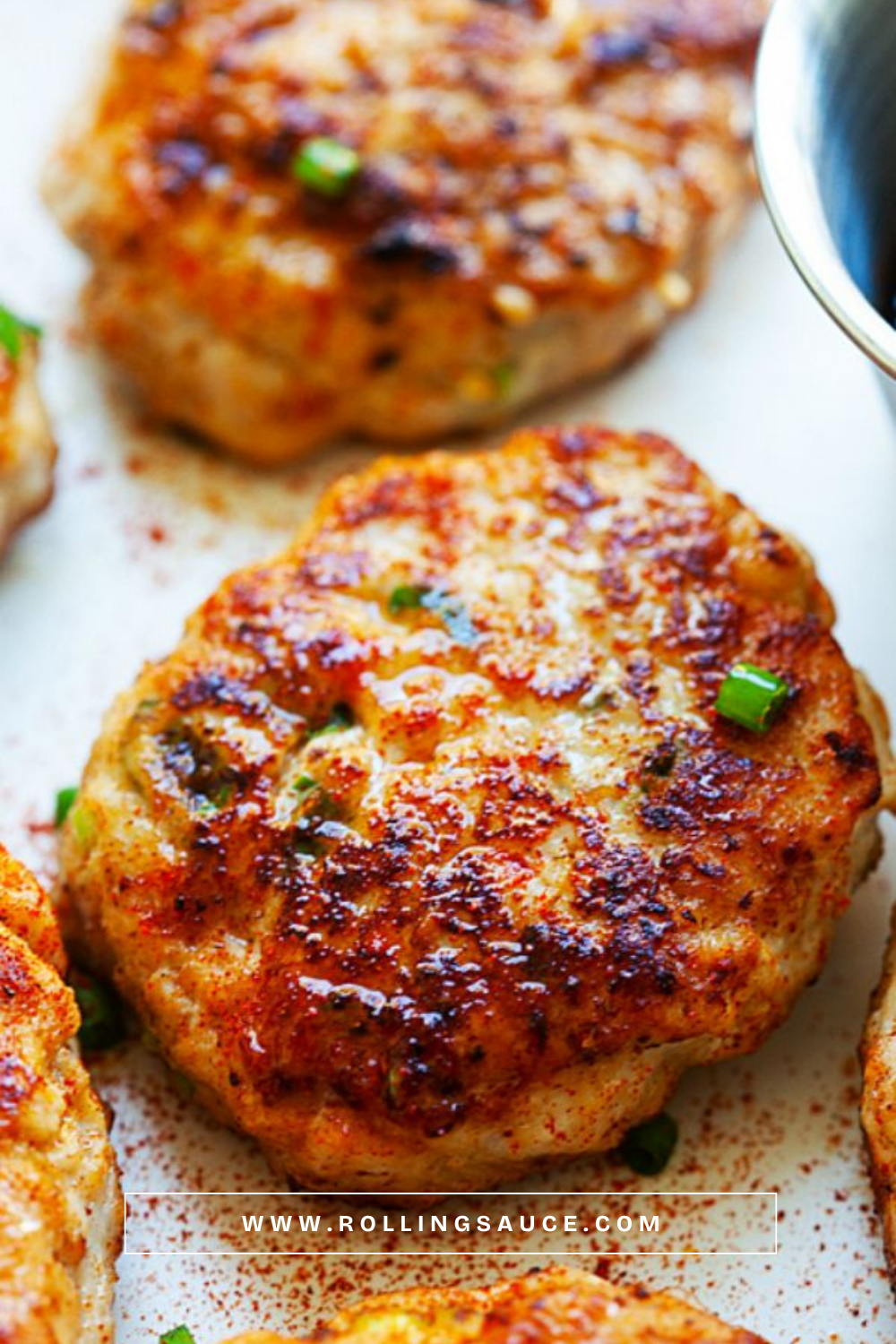
These meatballs solve the dryness problem before it even starts, thanks to a simple trick: a binder of egg and breadcrumbs soaked briefly in milk, which keeps the inside tender even after baking. Ground chicken doesn’t have much fat of its own to keep things moist, so that small amount of soaked breadcrumb — sometimes called a panade — makes a real difference in the final texture.
Once they’re baked through, the meatballs get tossed in a honey garlic glaze that turns sticky and glossy as it warms in the pan. The glaze itself is just a handful of ingredients — honey, soy sauce, garlic, and a little rice vinegar for balance — simmered together until it thickens slightly. It clings to the meatballs without needing any cornstarch or thickener, mostly because the honey naturally reduces down as it cooks. Serve them over rice with extra sauce spooned over top, or thread them onto skewers for an easy appetizer version.
If you’ve made my Italian-style meatballs, the method here is actually pretty close — same binder trick, completely different flavor direction. It’s a good example of how one technique can take you a lot of different places depending on the sauce you build around it.
Make it your own: A pinch of red pepper flakes in the glaze adds a gentle heat without overpowering the honey garlic flavor, and a handful of chopped scallions stirred in right before serving brightens the whole dish. These also work well as a meal-prep option — portion them into containers with rice and a vegetable, and they hold up in the fridge for a few days.
Honey Garlic Glazed Ground Chicken Meatballs
Ingredients
Method
- Preheat oven to 400°F (200°C) and line a baking sheet with parchment paper.
- In a small bowl, combine the panko and milk and let sit for 5 minutes to soften.
- In a large bowl, combine the ground chicken, soaked panko, egg, garlic, salt, pepper, and green onion. Mix gently until just combined.
- Roll the mixture into about 16-18 meatballs (roughly 1.5 inches each) and place on the baking sheet.
- Bake for 18-20 minutes, until cooked through and the internal temperature reaches 165°F.
- While the meatballs bake, combine the honey, soy sauce, garlic, rice vinegar, and red pepper flakes (if using) in a small saucepan. Simmer over medium heat for 3-4 minutes, until slightly thickened.
- Toss the baked meatballs in the glaze until evenly coated.
- Serve over rice with extra glaze spooned over top and a sprinkle of green onion.
Notes
- Storage: Keeps in an airtight container in the fridge for 3-4 days.
- Make ahead: Meatballs can be formed and refrigerated uncooked up to a day ahead, or frozen for longer storage.
- Swap: Add the red pepper flakes for a spicier glaze, or swap the glaze for a teriyaki sauce for a different flavor direction.
Juicy Ground Chicken Burgers
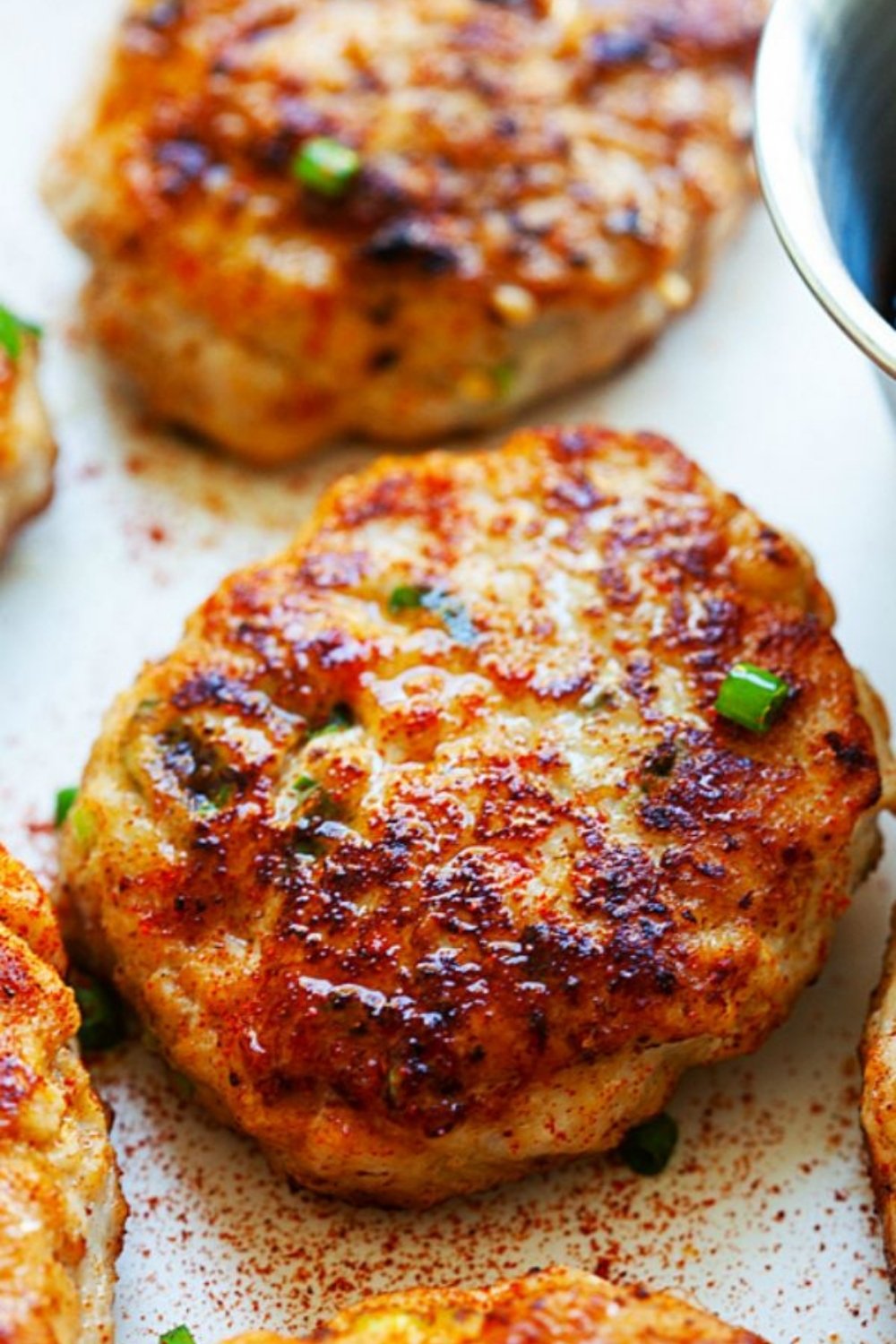
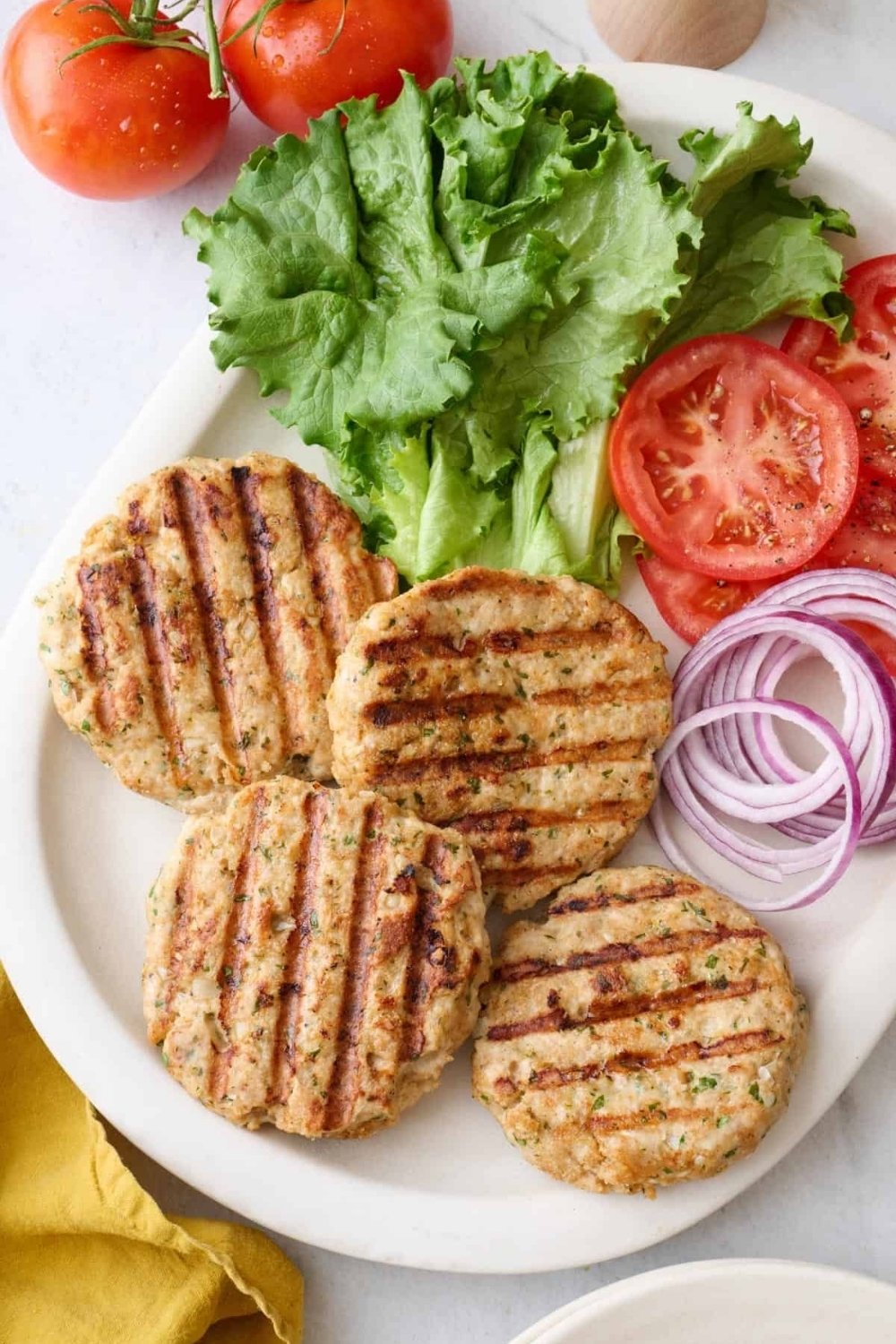
Ground chicken burgers have a reputation for turning into hockey pucks, and that reputation isn’t entirely wrong if you skip a couple of steps. The fix here is mixing a small amount of mayonnaise and panko breadcrumbs into the meat before forming patties. The mayo adds fat and moisture that ground chicken doesn’t have much of on its own, and the panko helps hold everything together without making the burgers dense.
Season generously, since chicken needs more salt and spice than beef to taste like much of anything on its own, and try not to press down on the patties while they cook. Pressing just squeezes out the moisture you worked to build in. A toasted bun also makes more of a difference here than it does with a beef burger — since ground chicken patties are a bit thinner and milder, a soft, untoasted bun can make the whole thing feel a little flat, while a quick toast adds a layer of texture that helps the burger hold its own.
These play well with pretty much any topping situation. If you liked the flavor direction in my trending hamburger meat meals post, these burgers are a leaner stand-in for any of those builds — try them with the same toppings and you might not miss the beef as much as you’d expect. For something with a little more kick, a swipe of the sauce from my buffalo chicken dip works surprisingly well here too.
Make it your own: A slice of pepper jack instead of cheddar adds some heat without much extra effort, and a quick slaw of shredded cabbage and a little mayo makes a good topping if you want something with crunch. These also hold up well on a grill, as long as the grates are well-oiled, since the patties are a bit more delicate than beef until they’ve had a chance to set.
Juicy Ground Chicken Burgers
Ingredients
Method
- In a large bowl, combine the ground chicken, mayonnaise, panko, garlic, onion powder, salt, and pepper. Mix gently until just combined — don’t overmix.
- Divide into 4 portions and shape into patties about 3/4 inch thick.
- Heat the olive oil in a large skillet over medium heat.
- Cook the patties for 5-6 minutes per side, until golden brown and the internal temperature reaches 165°F. Avoid pressing down on the patties while they cook.
- If using cheese, add a slice to each patty during the last minute of cooking and cover the skillet to melt.
- Let the patties rest for 1-2 minutes, then serve on toasted buns with desired toppings.
Notes
- Storage: Cooked patties keep in an airtight container in the fridge for 3-4 days.
- Make ahead: Patties can be formed and refrigerated uncooked up to a day ahead.
- Swap: Use pepper jack instead of cheddar for some heat, or top with a quick cabbage slaw for crunch.
Tips for Cooking With Ground Chicken
A few things that apply across all three of these recipes, and honestly to most ground chicken cooking in general.
- Always cook ground chicken to an internal temperature of 165°F — the USDA notes this applies to ground poultry the same as whole cuts, and color alone isn’t a reliable way to check.
- A little extra oil in the pan goes further with ground chicken than with ground beef, since there’s less fat to render out on its own as it cooks.
- Season more assertively than you think you need to. Ground chicken’s mild flavor means it can handle, and usually needs, more salt, garlic, and spice than a similar beef recipe.
- Don’t walk away from the pan for too long. Ground chicken cooks faster than ground beef and can go from juicy to dry in just a couple of extra minutes.
- If a recipe calls for a binder like egg and breadcrumbs, don’t skip it. It’s doing real work to keep the texture tender, not just holding things together.
- Let cooked ground chicken rest for a minute or two before serving, especially in burger or meatball form. That short rest gives the juices a chance to settle back into the meat instead of running out the moment you cut into it.
- Leftover cooked ground chicken from any of these three recipes reheats well and can be repurposed into a quick grain bowl or wrap the next day.
FAQ
Is ground chicken healthier than ground beef?
Ground chicken is generally leaner than regular ground beef, especially if it’s made from a mix of breast and thigh meat, so it tends to be lower in fat and calories. That said, “healthier” depends on the rest of the dish — a ground chicken burger loaded with cheese and sauce isn’t automatically lighter than a lean ground beef version would be. If you’re comparing labels at the store, it’s worth checking the fat percentage, since ground chicken can range from very lean to closer to ground beef depending on whether dark meat is included.
Can I substitute ground chicken for ground turkey in other recipes?
Yes, the two are interchangeable in almost any recipe. Ground chicken tends to be slightly more tender and a touch milder in flavor, but the cooking times and techniques are essentially the same, so any recipe written for one should work with the other without major adjustments.
Why does ground chicken sometimes taste rubbery?
This usually comes down to overcooking or overmixing. Ground chicken cooks fast, so it’s easy to go past the point of doneness without realizing it, and overmixing a meatball or burger mixture can also make the texture tighter and springier than you’d want. Mixing just until everything is combined, rather than working it until smooth, helps avoid this.
What’s the best way to store leftovers from these recipes?
All three keep well in an airtight container in the fridge for up to 3-4 days. The lettuce wrap filling and meatballs both reheat nicely in a skillet with a small splash of water, while burgers are best reheated gently, either in a covered skillet over low heat or in short bursts in the microwave, so they don’t dry out further.
Can I freeze ground chicken meatballs or burger patties?
Yes, both freeze well either cooked or uncooked. If freezing uncooked, lay the patties or meatballs out on a tray until firm, then transfer them to a freezer bag so they don’t stick together. They can be cooked from frozen with a few extra minutes added to the time, or thawed overnight in the fridge first if you’d rather stick closer to the original cook time.
Do I need any special equipment to make these recipes?
Not really. A large skillet covers the lettuce wraps and the meatball glaze, a baking sheet handles the meatballs themselves, and a second skillet or a grill works for the burgers. None of these recipes require a stand mixer, food processor, or anything beyond what most kitchens already have on hand.
What I like about putting these three side by side is how differently each one uses the same base ingredient. One night it’s something that tastes like a takeout order, the next it’s a comfort-food dinner over rice, and the next it’s burger night — all from the same pound of ground chicken you might already have on hand. That’s really the whole pitch for ground chicken in general: it’s less of a single dish and more of a starting point that goes wherever you point it.
If you’ve got a little extra time on a weekend, all three of these are good candidates for doubling up and freezing half for later. Future-you on a busy weeknight will be glad you did. And if one of these becomes your go-to, it might be worth keeping a bag of ground chicken in the freezer as a backup the way you would ground beef — once you’ve got a couple of these in your regular rotation, it stops feeling like a substitute ingredient and starts feeling like its own thing.