
There’s a very specific kind of comfort in the blue box — that bright orange powder, the slightly too-soft noodles, the way it tastes exactly the same every single time. I’m not here to talk you out of that nostalgia. I’m here to tell you that the homemade version isn’t actually more work, and once you taste a real cheddar béchamel clinging to every piece of elbow macaroni, you’ll understand why “from scratch” mac and cheese has such a following. This one comes together in a single pot, in about the same amount of time it takes to boil water for the boxed kind.

What Makes This Creamier Than the Box Stuff
The boxed version relies on powdered cheese and a packet of stabilizers to get that smooth, glossy texture. Homemade mac and cheese gets there a different way: with a roux. Butter and flour cooked together for a minute or two form a paste that thickens the milk into a true sauce, and that sauce is what holds the melted cheese in suspension instead of letting it separate into greasy little clumps. It’s the same base used for everything from gravy to chowder, and it’s the difference between a sauce that coats the pasta and one that just sits in a puddle at the bottom of the bowl.
The other secret is what goes into the sauce besides cheese. A spoonful of Dijon mustard, a pinch of nutmeg, and a little cayenne don’t make this taste spicy or mustardy — they just round out the cheddar so it tastes sharper and more complex without needing more cheese. Sharp cheddar brings the flavor, but it’s these small additions that make people ask what’s different about your mac and cheese, even when they can’t quite put their finger on it.
There’s also the matter of fat content. Boxed mac and cheese is built around a small packet of cheese powder and whatever milk and butter you add yourself, which means the ratio is fixed and usually on the lighter side. Here, you’re controlling both the amount of butter in the roux and the amount of cheese going into the sauce, so the final texture leans as rich as you want it to. If you’ve ever doctored up a box with extra butter and shredded cheese to make it taste “more real,” this recipe is essentially that instinct taken to its logical conclusion — just built from the ground up instead of patched together at the end.
What You’ll Need
This is a short ingredient list, and most of it is pantry stuff:
- Elbow macaroni — the classic shape for a reason; the curves hold onto the sauce
- Butter and flour — for the roux that thickens everything
- Whole milk — for the creamiest sauce; lower-fat milk works but won’t be quite as rich
- Sharp cheddar — shredded yourself from a block, not the pre-shredded bags
- Dijon mustard, nutmeg, garlic powder, and cayenne — small amounts that build flavor without announcing themselves
- Salt and black pepper — to taste

If you can, shred the cheddar from a block rather than buying it pre-shredded. Bagged shredded cheese is coated with anti-caking starches so it doesn’t clump in the bag, but that same coating keeps it from melting into the sauce as smoothly — it’s one of the most common reasons homemade cheese sauce turns out grainy instead of silky.
A quick note on the cheddar itself: sharp, orange cheddar is the classic choice here, and it’s worth seeking out specifically for its flavor rather than grabbing whatever’s cheapest. The orange color doesn’t affect the taste — it’s just annatto, a natural coloring — but sharper cheddars tend to have more tang and depth than mild ones, which matters when cheese is doing most of the flavor work in this dish. If you only have mild cheddar on hand, it’ll still work, just expect a gentler, creamier flavor with less bite.
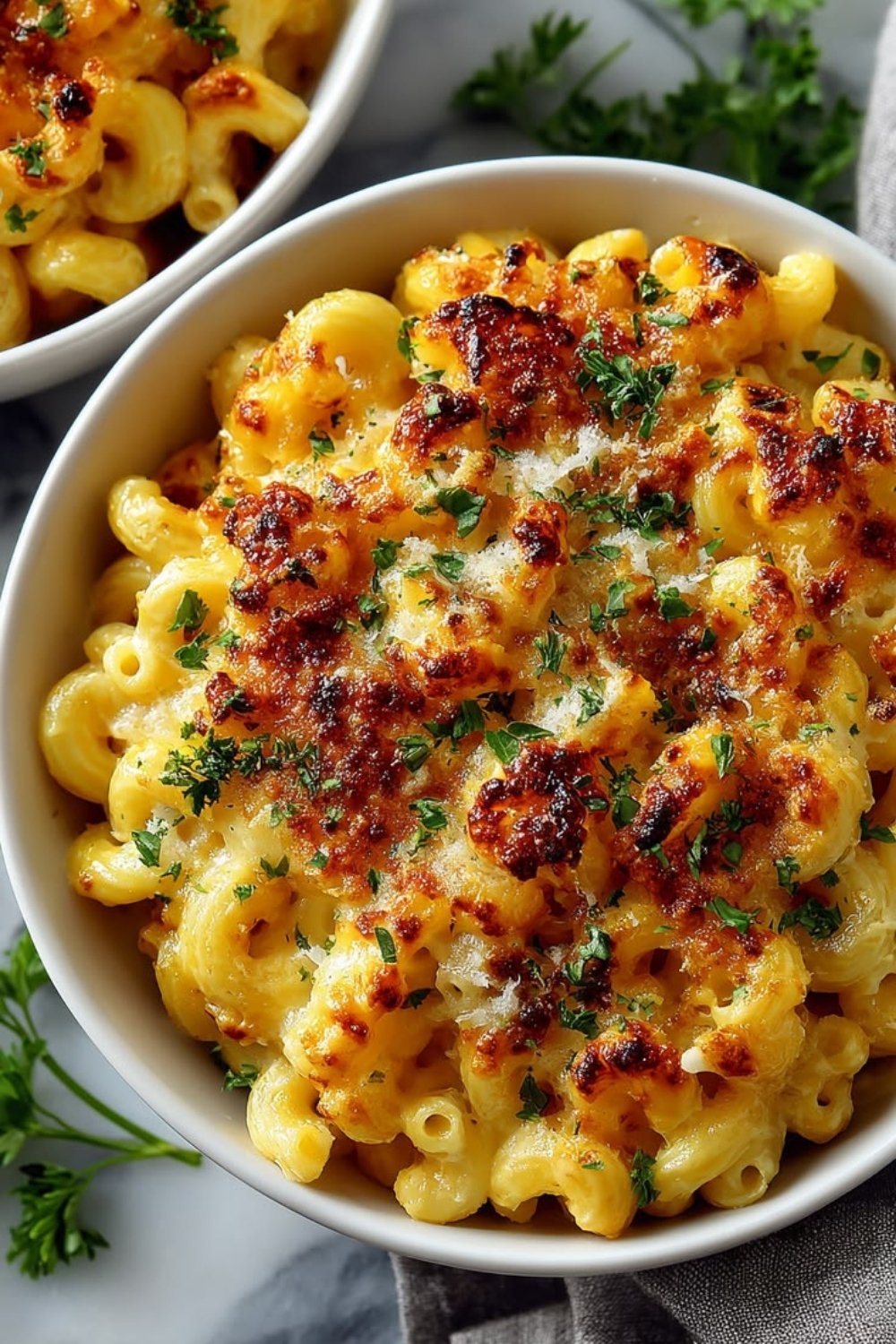

One-Pot Mac and Cheese
Ingredients
Method
- Bring a large pot of salted water to a boil. Cook the elbow macaroni until just al dente, about 1 minute less than the package directs. Drain well and set aside.
- Return the empty pot to the stove over medium heat. Melt the butter, then whisk in the flour. Cook, stirring constantly, for 1-2 minutes until lightly golden and fragrant.
- Slowly pour in the milk while whisking constantly to prevent lumps. Continue whisking over medium heat until the sauce thickens enough to coat the back of a spoon, 5-7 minutes.
- Remove the pot from the heat. Stir in the salt, pepper, nutmeg, Dijon mustard, garlic powder, and cayenne pepper.
- Add the shredded cheddar in 2-3 additions, stirring until fully melted before adding more.
- Add the drained macaroni back into the pot and toss until evenly coated in the cheese sauce. Serve immediately.
Notes
- Storage: Refrigerate leftovers in an airtight container for up to 3-4 days; reheat gently on the stove with a splash of milk.
- Make ahead: Best served fresh, as the sauce thickens significantly as it cools. If needed, slightly undercook the pasta and sauce, then reheat with extra milk.
- Swap: Blend in Monterey Jack or Gruyère with the cheddar for a different flavor profile; stir in cooked bacon, sausage, or roasted broccoli at the end.
How It Comes Together
Start by bringing a large pot of salted water to a boil and cooking the macaroni until just al dente — a minute or so less than the package suggests, since it’ll sit in hot sauce for a few minutes after. Drain it well and set it aside, then dry out the pot for a moment before putting it back over the heat. This is the “one pot” part: everything from here happens in the same pot you just used for the pasta.
Melt the butter in the pot over medium heat, then whisk in the flour all at once. Let this cook for a minute or two, stirring constantly, until it smells toasty and turns a shade darker — this is your roux, and that brief cooking time is what keeps the finished sauce from tasting like raw flour. Pour in the milk gradually, whisking the whole time so the roux doesn’t seize into lumps. If you do end up with a few small lumps despite your best efforts, don’t panic — keep whisking over the heat and they’ll usually smooth out as the sauce comes together. Once the milk is fully incorporated, keep whisking over medium heat until the sauce thickens enough to coat the back of a spoon, usually 5 to 7 minutes. You’ll notice it go from thin and milky to something that clings to the whisk and leaves a trail across the bottom of the pot when you drag it through.
Take the pot off the heat before you add the cheese — this single step matters more than almost anything else in this recipe. Stir in the salt, pepper, nutmeg, mustard, garlic powder, and cayenne, then add the shredded cheddar in two or three additions, stirring until each batch melts completely before adding more. Working off the heat keeps the cheese from overheating and breaking into that grainy texture nobody wants. Once the sauce is smooth and glossy, add the drained macaroni back into the pot and toss until every piece is coated. Serve right away while it’s at its creamiest.
Tips for the Creamiest Mac and Cheese
- Shred your own cheese. Pre-shredded cheese is coated in starches that resist melting smoothly — a block of sharp cheddar and a box grater make a real difference here.
- Cook the roux before adding milk. Even just 60 to 90 seconds of cooking the butter-flour mixture removes the raw flour taste and helps the sauce thicken properly.
- Take the pot off the heat before adding cheese. Cheese proteins tighten up and separate when they’re overheated, which is the main cause of grainy, oily sauce.
- Add cheese gradually. Stirring in cheese a handful at a time, letting each addition fully melt, gives you much more control than dumping it all in at once.
- Use whole milk if you can. The fat content helps the sauce stay smooth and emulsified, especially as it cools slightly before serving.
- Slightly undercook the pasta. Macaroni continues to absorb sauce and soften after it’s combined, so pulling it a minute early keeps it from going mushy.
Easy Add-Ins and Variations
Once you’ve got the base sauce down, this recipe turns into a template more than a fixed dish. Crisped bacon or browned breakfast sausage stirred in at the end adds a smoky, savory note that plays well against the sharp cheddar. A splash of beer — something malty rather than hoppy — whisked into the sauce along with the milk gives it a deeper, almost toasted flavor that’s popular in pub-style versions. If you want some heat beyond the background warmth from the cayenne, diced pickled jalapeños or a few dashes of hot sauce stirred in right before serving do the trick without overpowering the cheese.

Vegetables work well too — roasted broccoli, peas, or sautéed mushrooms all fold in nicely and turn this into more of a meal. And if you want to take it from stovetop to baked, transfer the finished mac and cheese to a buttered dish, top with a little extra shredded cheddar and maybe some panko breadcrumbs tossed in melted butter, and broil for a few minutes until the top is bubbly and golden. It won’t be “one pot” anymore at that point, but it’s worth knowing the option exists, especially if you’re serving a crowd and want individual portions with that contrast between crisp top and creamy interior.
On the serving side, this holds its own as a main dish, but it’s also a strong side for anything off the grill — think pulled pork, barbecue chicken, or even just a simple roast. A pile of something green on the plate, even just steamed broccoli or a quick salad, balances out how rich this is without competing with it.
FAQ
Why did my cheese sauce turn grainy? This almost always comes down to heat. If the pot is too hot when you add the cheese, the proteins in the cheese tighten and squeeze out fat, leaving you with a broken, oily sauce instead of a smooth one. Take the pot off the heat before adding cheese, and add it gradually rather than all at once.
Can I use a different cheese? Sharp cheddar gives the most classic flavor, but you can swap in or blend with Monterey Jack, Colby, or Gruyère for a milder or nuttier result. Avoid relying entirely on very aged, hard cheeses like Parmesan, since they tend to melt less smoothly on their own.
Can I make this ahead of time? Mac and cheese is at its creamiest right after it’s made, since the sauce thickens as it cools. If you need to make it ahead, slightly undercook the pasta and the sauce a touch thinner than you want, then reheat gently on the stove with a splash of milk to bring the sauce back to life.
Why does the recipe call for nutmeg in a savory dish? Nutmeg is a classic addition to béchamel-style sauces — in the small amount used here, it doesn’t taste like “nutmeg” so much as it rounds out the richness of the milk and cheese. It’s a small touch, but leaving it out is one of those things that makes a dish taste slightly flatter without it being obvious why.
How many servings does this make? This recipe makes about 4 to 6 servings as a main dish, or more if you’re serving it alongside something else.
Can I freeze leftovers? You can, though the texture changes more than most dishes when frozen — the sauce can separate slightly as it thaws. If you do freeze it, store it in an airtight container for up to a month, thaw it in the refrigerator overnight, and reheat slowly on the stove with a splash of milk, stirring frequently to bring the sauce back together.
This is the kind of recipe worth keeping in regular rotation precisely because it’s so easy to make your own — change the cheese, add what’s in the fridge, or keep it exactly as written when you just want the classic. If you’re looking for something else creamy and fast for the same night, one-pot shrimp pasta with creamy tomato sauce uses a similar “everything in one pot” approach, and light alfredo sauce is a good one to have on hand if you want to practice the same roux technique in a different direction. For something a bit heartier, creamy tomato tortellini soup and quick weeknight lasagna both lean on that same cheesy, comforting territory.