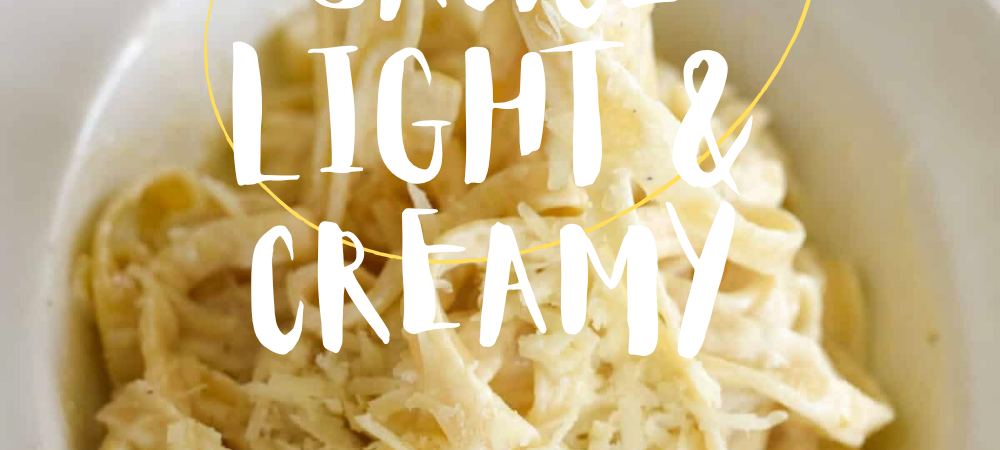
There’s a version of “healthy” that just means smaller portions and sadder pasta, and that’s not what this is. This alfredo sauce recipe is genuinely creamy — thick, rich, clings-to-the-noodle creamy — and it gets there without a drop of heavy cream. No butter-and-flour roux simmered for twenty minutes, no half-empty container of cream you’ll forget about in the fridge. Just a blender and a handful of ingredients you probably already buy.
The trick is one ingredient most people don’t associate with pasta sauce at all, and once you taste the result, you’ll understand why it’s been showing up in so many feeds lately.
For years, “light” pasta sauces meant one of two things: a thin, watery sauce that separated the second it touched hot pasta, or a sauce that swapped in so much skim milk and cornstarch that it tasted like a memory of alfredo rather than the real thing. This recipe sidesteps both problems. It’s thick enough to coat a fork on its own, holds up to reheating, and tastes like something you’d order at a restaurant — not something you’d settle for.
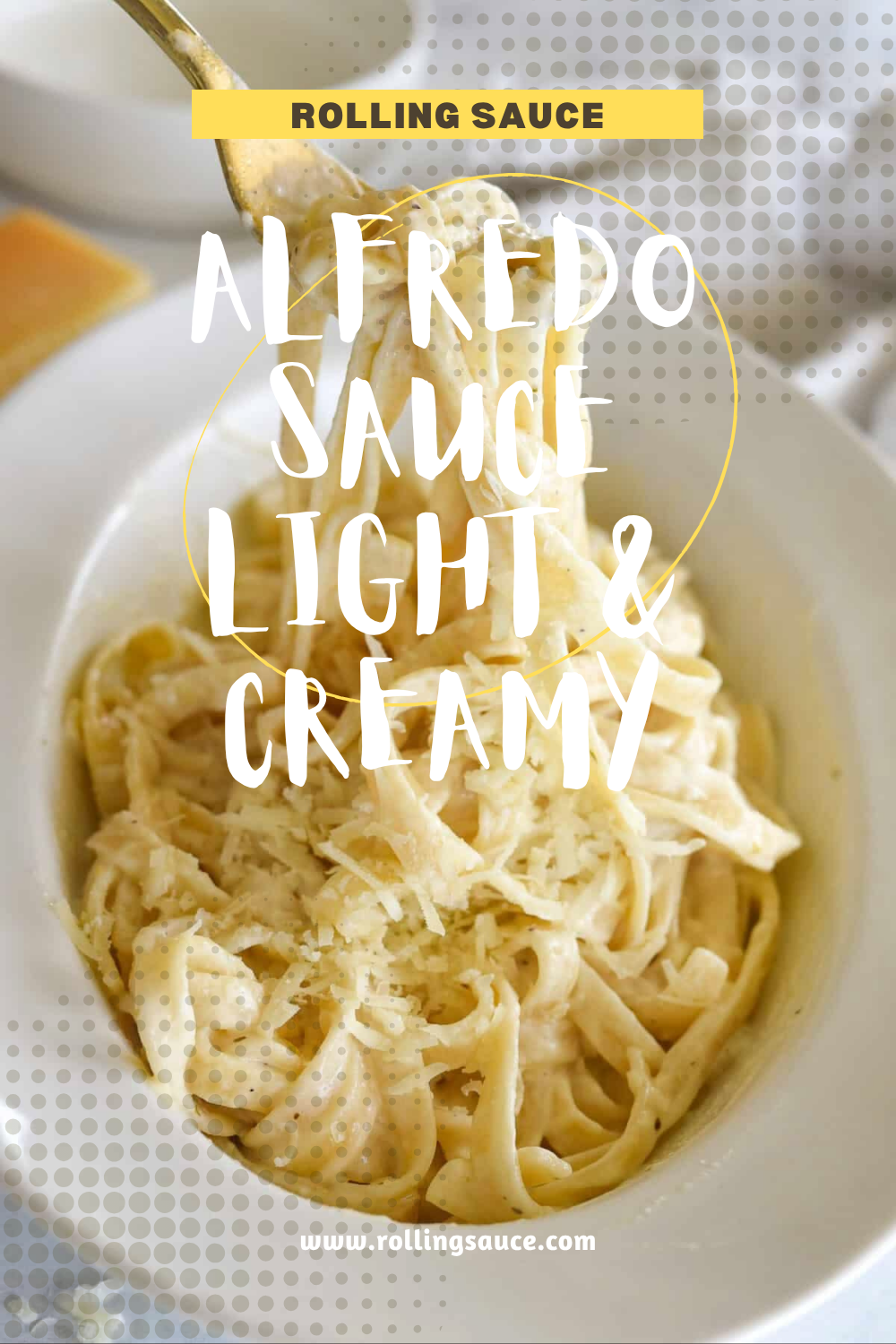
How This Stays Creamy Without the Guilt
The secret is cottage cheese — specifically, cottage cheese that’s been blended until completely smooth. On its own, cottage cheese is lumpy and a little watery, which is exactly why it doesn’t seem like alfredo material at first glance. But run it through a blender with a splash of milk for a minute or two, and those curds break down into something closer to a thick, tangy cream. You genuinely cannot tell it started as cottage cheese.
What makes this work so well is fat distribution. Traditional alfredo gets its richness from heavy cream and butter, both of which are almost pure fat — that’s where most of the calories come from, and it’s also why traditional alfredo turns into a greasy, separated mess if it overheats even slightly. Blended cottage cheese carries protein alongside its fat, which means the sauce holds together more like a creamy emulsion than a pool of melted fat. It’s also part of why this sauce reheats so much better than the classic version — it doesn’t break the same way.
Parmesan does the rest of the work. It adds the salty, nutty depth that makes alfredo taste like alfredo, and melted into the warm blended base, it thickens the sauce just enough to coat pasta properly.
Why This Swap Has Taken Over Pasta Recipes Lately
Cottage cheese has had a quiet glow-up over the past couple of years, mostly thanks to its protein content — a cup of it can have nearly as much protein as a serving of chicken, with a fraction of the effort. People started blending it into pancake batter and smoothies first, and pasta sauce was the obvious next step once someone realized what a high-speed blender does to those curds.
What makes the alfredo version specifically worth paying attention to, though, isn’t really the protein boost — it’s that the texture genuinely competes with the original. A lot of “healthified” recipes ask you to accept a trade-off: better for you, but noticeably different. This one doesn’t really ask that. The blended cottage cheese base browns, melts, and clings the way a cream sauce should, which is probably why it’s stuck around in recipe rotations rather than fading out like a lot of food trends do.
The Ingredients You Need
This is a short list, and every ingredient is doing real work — there’s no filler.
- Cottage cheese — the base of the sauce. Use a small-curd, 2% or full-fat variety for the smoothest blend; fat-free tends to come out thin and watery.
- Milk — loosens the blended cottage cheese to a pourable consistency. Whole milk gives the richest result, but 2% works fine.
- Parmesan cheese — freshly grated melts more smoothly than the pre-shredded kind and gives the sauce its signature savory edge.
- Garlic — sautéed briefly before blending, it adds a warm background note the sauce would taste flat without.
- Butter or olive oil — just enough to sauté the garlic and add a little extra silkiness.
- Salt, black pepper, and a pinch of nutmeg — nutmeg is a classic alfredo addition that most people skip; it rounds out the dairy flavor in a way that’s hard to place but easy to miss if it’s gone.

Light Alfredo Sauce (Cottage Cheese Alfredo)
Ingredients
Method
- Melt the butter (or heat the olive oil) in a small skillet over medium heat. Add the garlic and cook for about 1 minute until fragrant; do not brown.
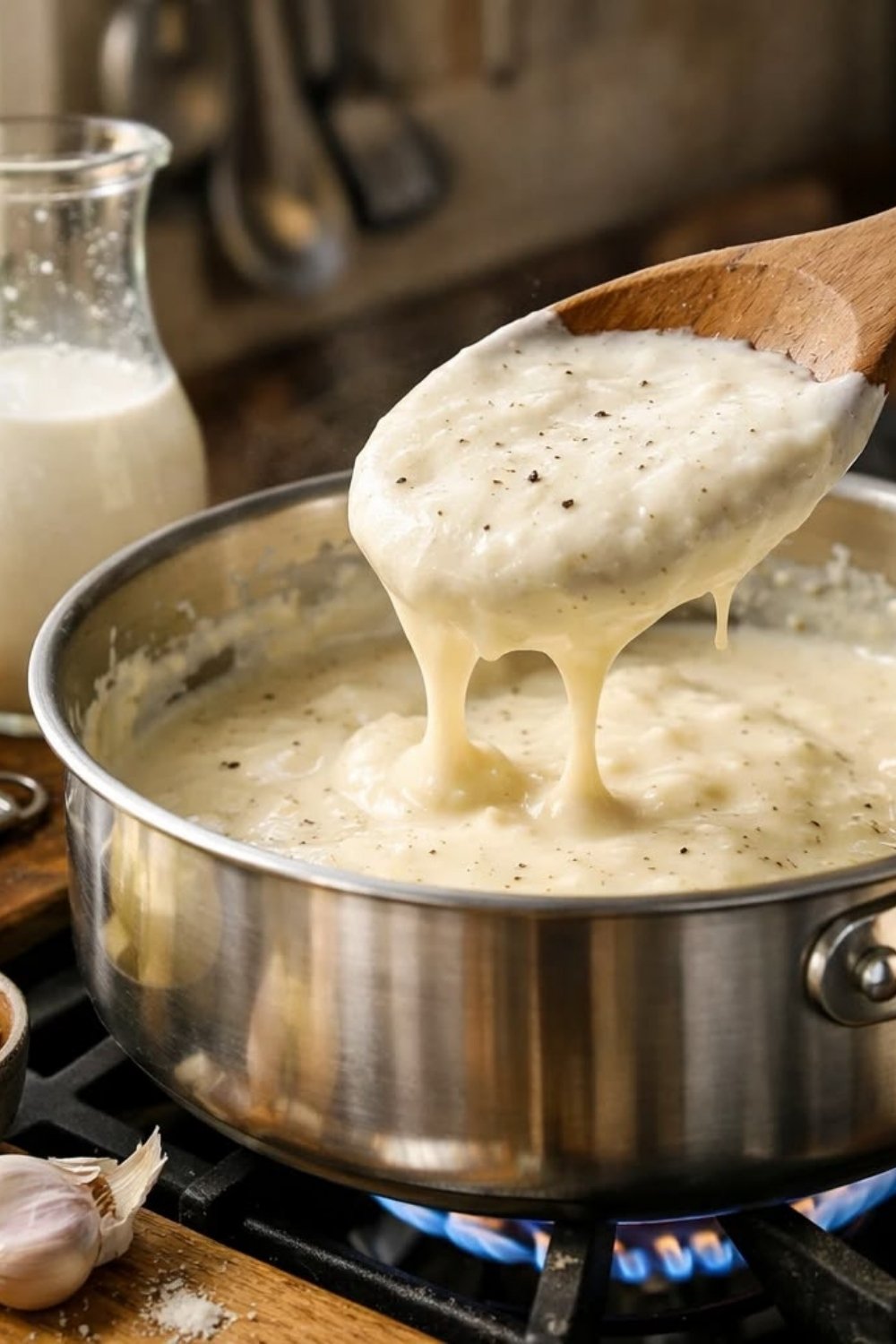
- In a blender, combine the cottage cheese, milk, half the Parmesan, the sautéed garlic, salt, pepper, and nutmeg. Blend on high for 60-90 seconds until completely smooth.
- Pour the blended mixture into a saucepan over medium-low heat. Stir frequently and warm gently for 3-4 minutes, without letting it boil.
- Stir in the remaining Parmesan until melted and the sauce is smooth.
- If the sauce is too thick, loosen with a splash of reserved pasta water or extra milk.
- Toss the warm sauce directly with hot, drained pasta until coated. Garnish with extra Parmesan, black pepper, and parsley.
Notes
- Storage: Keeps in the fridge for up to 4 days; best stored separately from pasta.
- Make ahead: Sauce can be blended and refrigerated up to 2 days ahead; warm gently before using.
- Reheat: Reheat in a skillet over low heat with a splash of milk; avoid the microwave, which can cause separation.
If you’re already a fan of cottage cheese recipes, this is one more reason to keep a tub in the fridge — it’s quietly become one of the most useful ingredients in this kitchen.
A note on substitutions before you start: this recipe leans on a high-powered blender to do the heavy lifting, so a Vitamix or Ninja-style blender will give you the smoothest result. A food processor works too, but plan on running it a little longer and scraping the sides down a few times. If your sauce still has the faintest hint of graininess after blending, it’s almost always because it needed another thirty seconds, not because the ingredients were wrong.
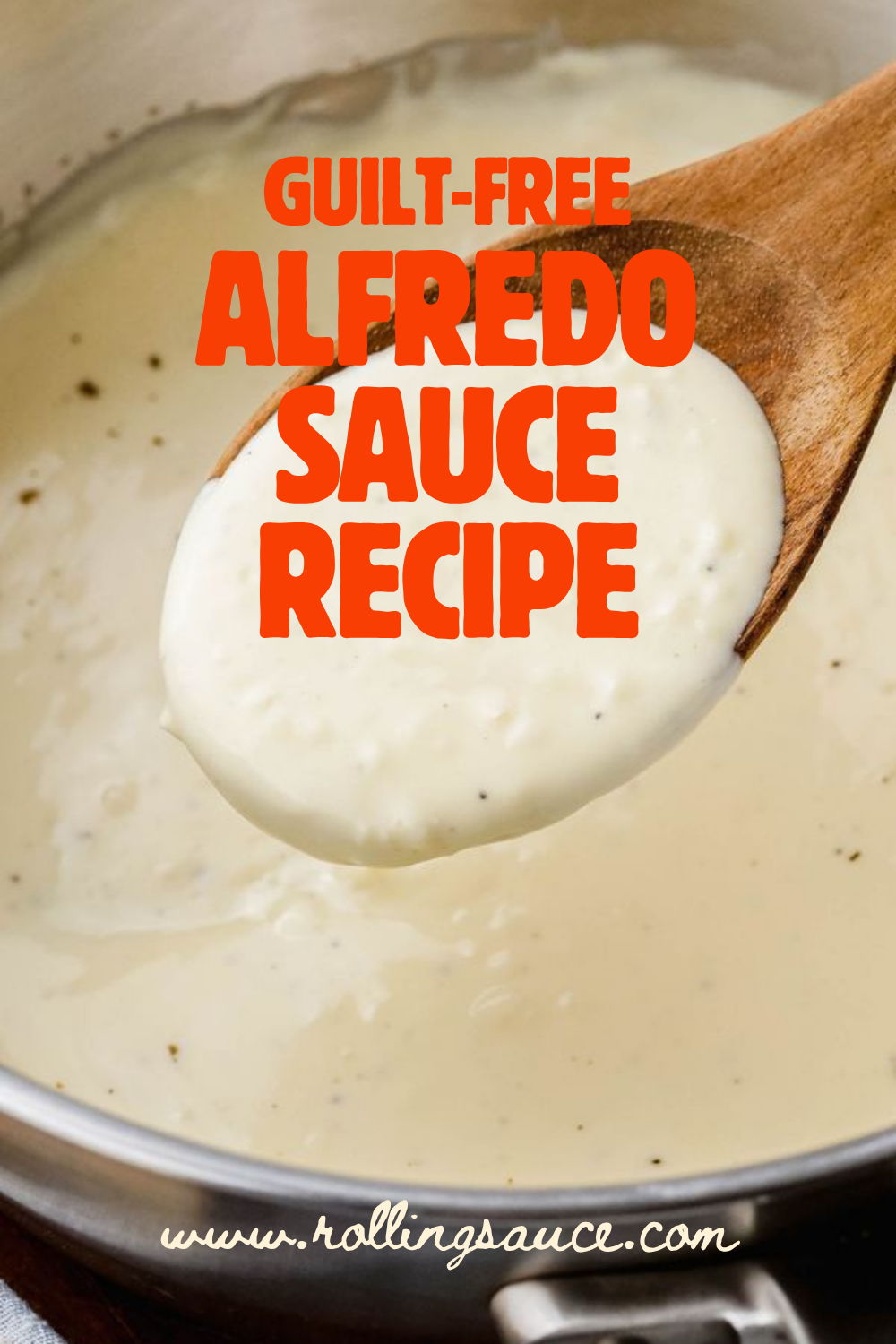
How to Make Light Alfredo Sauce
Sauté the Garlic
Melt the butter (or heat the olive oil) in a small skillet over medium heat. Add the minced garlic and cook for about a minute, just until it turns fragrant and starts to soften — you’re not browning it, just taking the raw edge off. Pull it off the heat as soon as it smells like garlic instead of looking pale and sharp; burnt garlic will make the whole sauce taste bitter.
Blend Until Completely Smooth
Add the cottage cheese, milk, half the Parmesan, the sautéed garlic, salt, pepper, and nutmeg to a blender. Blend on high for a full 60 to 90 seconds — longer than feels necessary. This is the step that makes or breaks the texture. If you stop early, you’ll end up with a sauce that still has a slightly grainy texture from the cottage cheese curds. Scrape down the sides partway through if your blender needs it, and don’t be afraid to keep going until it looks completely uniform, almost like heavy cream.
Warm It Gently
Pour the blended mixture into a saucepan over medium-low heat. This part is mostly about patience: stir frequently and don’t let it come to a hard boil. As it warms, it will thicken slightly and the remaining Parmesan can go in here, stirring until melted. If the sauce seems too thick once it’s hot, a splash of reserved pasta water or extra milk loosens it right back up.
You’ll notice the sauce go through a slightly looser stage before it thickens — that’s normal, and it’s the protein in the cottage cheese setting up as it warms, similar to how an egg-based sauce slowly firms rather than thickening all at once like a flour-based one. Give it three or four minutes of gentle heat, stirring more or less constantly, and resist the urge to crank the burner to speed things along.
Toss With Pasta and Serve
Add the warm sauce directly to drained, hot pasta and toss until every strand is coated — the residual heat from the pasta helps the sauce cling rather than just sitting in a pool at the bottom of the bowl. Fettuccine is the classic choice, but this sauce is forgiving enough to work with penne, rigatoni, or whatever shape is already in the pantry. Finish with extra Parmesan, a crack of black pepper, and a sprinkle of parsley if you have it.
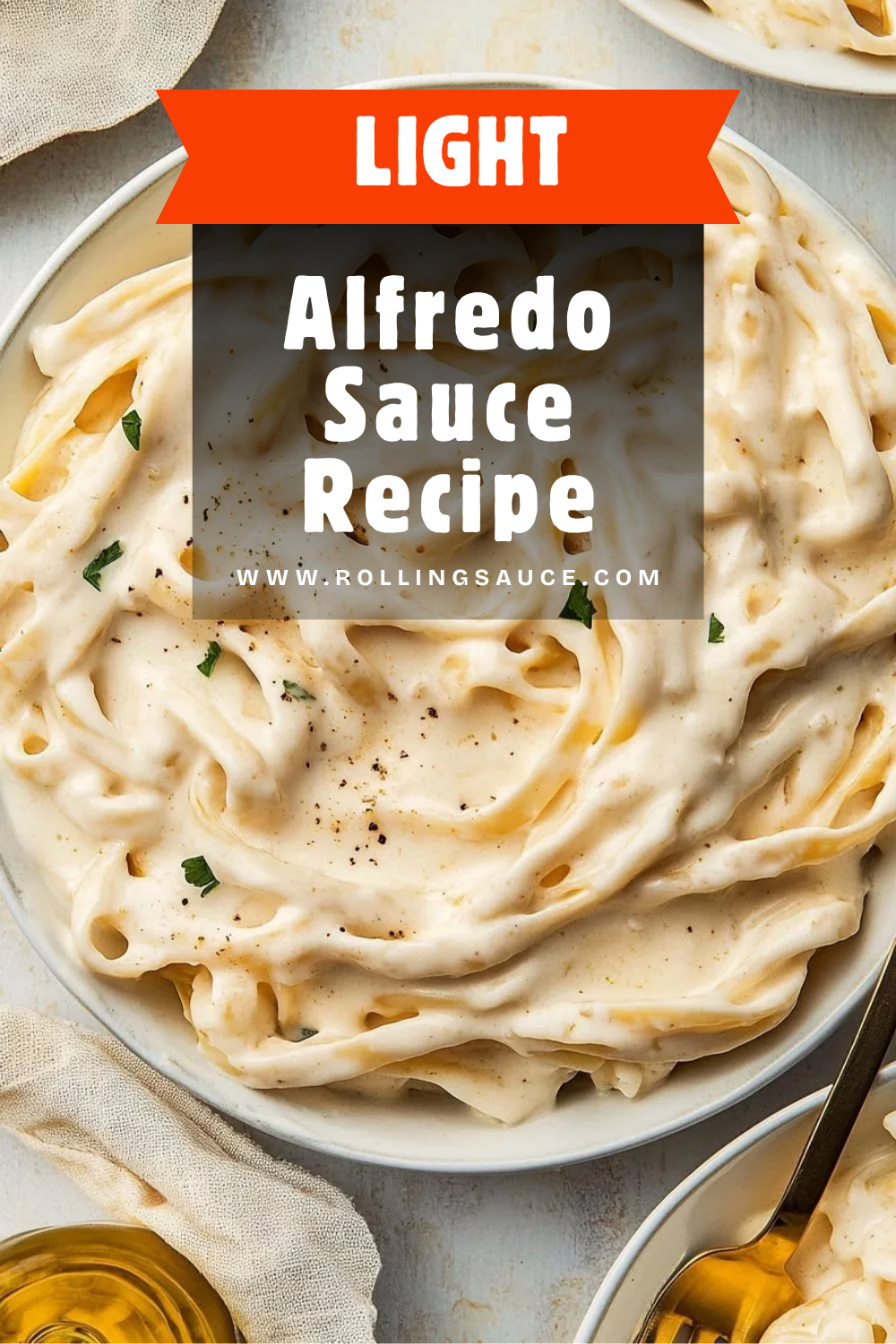
5 Ways to Use This Sauce Beyond Pasta
This sauce is built for fettuccine, but it doesn’t have to stop there.
- Spoon it over roasted vegetables. Broccoli, cauliflower, or asparagus roasted until the edges char taste like a completely different vegetable once they’re coated in this.
- Use it as a baked chicken topping. Spread a spoonful over chicken breasts for the last few minutes of baking — it melts into a light, cheesy crust instead of sliding off like a thinner sauce would.
- Turn it into a quick dip. Warm, with a piece of crusty bread or a few breadsticks, this is closer to a fondue than people expect from something this simple.
- Stir it into rice or grains. A spoonful folded into hot rice or orzo turns a plain side dish into something that tastes intentional.
- Build a lighter lasagna. Swap it in for part of the cheese layer in a quick weeknight lasagna for extra creaminess without extra heaviness.
A Few Things That Make a Real Difference
Don’t skip the blending time, even when it feels excessive. Sixty to ninety seconds on high is what turns cottage cheese curds into something silky — anywhere short of that, and the texture gives away the secret.
Keep the heat low once the sauce is on the stove. Because this sauce relies on protein rather than pure fat for its body, it’s more sensitive to high heat than a traditional cream-based alfredo. A hard boil can cause it to separate slightly, where gentle, patient warming keeps everything smooth.
Reserve some pasta water before draining. The starchy water is useful here for two reasons — it loosens the sauce to the right consistency, and the starch helps it cling to the noodles a little better than milk alone would.
If you want a sharper, more “restaurant” flavor, add the Parmesan in two stages like the recipe suggests — some blended in for body, some stirred in at the end for that fresh, just-melted sharpness on top.
This sauce is naturally a little thinner right when it comes together and thickens slightly as it sits, so don’t panic if it looks looser than you expect straight out of the blender — give it a minute on the heat before adjusting.
One more thing worth knowing: this sauce doesn’t love the microwave for reheating. Leftovers warm up best in a skillet over low heat with a splash of milk stirred in, which brings the texture right back. A minute or two of stirring on the stove makes a bigger difference here than it would with a traditional cream sauce.
Make It Part of Your Weekly Rotation
Once you’ve made this a couple of times, it stops feeling like a “lighter alternative” and starts feeling like just… your alfredo. It comes together in about the same time as boiling pasta, which makes it an easy one to build into a regular weeknight lineup — especially since the sauce reheats well if you want to make a double batch and portion it out for the week.
Pair it with grilled chicken, toss it with whatever vegetables need using up, or keep a jar in the fridge for the nights when pasta with a quick sauce is the difference between cooking and ordering in. If you’re meal-prepping for a few days, cook the pasta and sauce separately and combine them just before eating — the noodles hold their texture better that way, and the sauce reheats more evenly on its own.
Save this one — it’s the kind of recipe that earns a permanent spot on the list once you’ve made it once, and it’s a good one to have ready the next time someone insists a healthier swap can’t possibly taste the same.