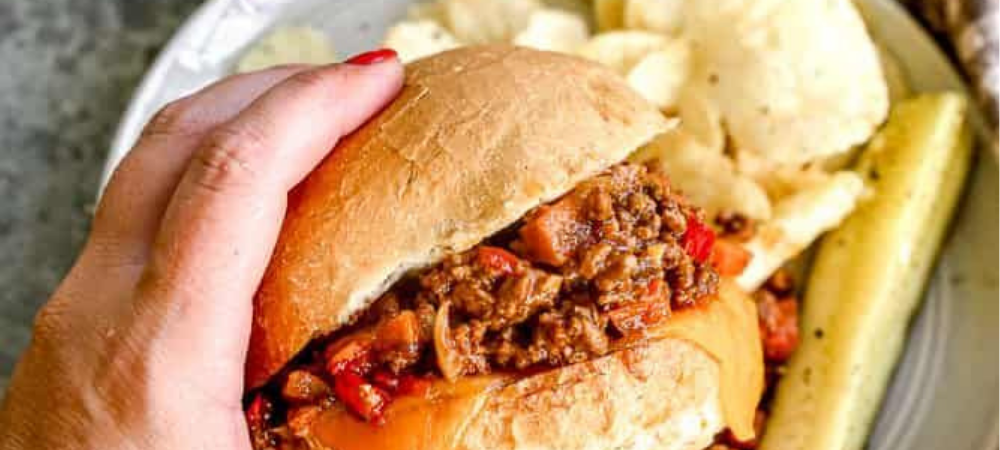
Sloppy joes have are beloved by anyone who ate them as a kid at some point, and yet rarely on anyone’s list of grown-up dinner ambitions. The canned version has something to do with that. Manwich is serviceable in the way that most convenience foods are serviceable: it handles the craving without inspiring anything beyond mild satisfaction. But that’s not a problem with sloppy joes as a concept. It’s a problem with the version most people grew up eating.
Made from scratch with a proper sauce — the kind that layers smoked paprika over Worcestershire, apple cider vinegar for brightness, brown sugar for sweetness, and a splash of liquid smoke for depth that reads as “complex” rather than “smoky in a camp-food way” — these are genuinely one of the better things to pile on a toasted brioche bun. The sauce is what every version of this sandwich is trying to be and often isn’t.
This is the version that stays on rotation. Ready in 35 minutes, made in one skillet, and built around a sauce that anyone who tastes it will immediately ask you to make again.
What Makes a Great Sloppy Joe
It comes down to the sauce. The meat is almost incidental — any well-browned ground beef in a well-made sauce will be good. But the sauce needs to do three things at once.
It needs to be tangy enough to cut through the richness of the ground beef. That’s the ketchup and the apple cider vinegar. Ketchup is doing the tomato base work here; the vinegar provides sharp acidity that lifts the whole dish.
It needs to be savory and deep, not just sweet and tomatoey. That’s the Worcestershire sauce and the tomato paste. Worcestershire adds umami — that hard-to-place savory depth that makes a sauce taste like it’s been working hard — and tomato paste concentrates the tomato flavor well past what ketchup alone can deliver.
And it needs smokiness. The combination of smoked paprika and liquid smoke doesn’t taste like barbecue — it tastes like the sauce has a story. It’s the element that separates a sloppy joe that’s fine from one that makes people eat two.
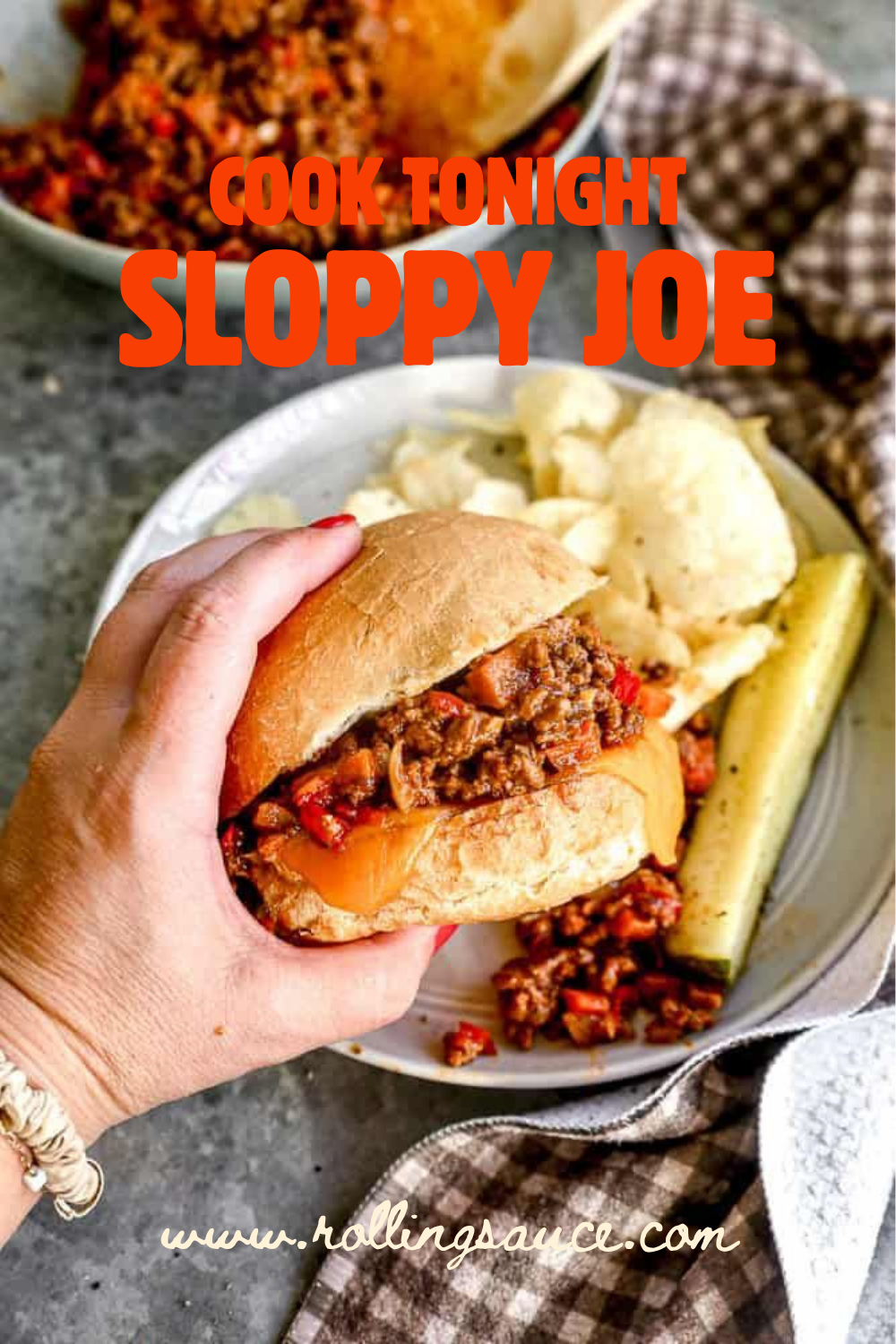
The bun matters too. A toasted bun holds up to the sauce without turning immediately to mush. Butter the cut sides and toast them in the same skillet you just used — the pan drippings add flavor, and the texture of the toasted bun against the saucy filling is one of the better textural contrasts in American casual cooking.
The Smoky Sauce: Every Ingredient and Why
The sauce in this recipe is assembled while the beef and vegetables cook — it can be whisked together in a bowl in about two minutes. But understanding what each ingredient does makes it easier to adjust the final flavor to your preference.
Ketchup is the base. It adds tomato flavor, sweetness, and the thick body the sauce needs to cling to the meat rather than pooling at the bottom of the bun.
Tomato paste deepens the tomato flavor and adds body. Two tablespoons make a significant difference in how complex the sauce tastes.
Worcestershire sauce is the umami carrier. As Serious Eats explains in their writing on savory sauces, Worcestershire sauce is one of the most concentrated sources of umami in a standard pantry — fermented, layered, and effective in small quantities at making anything it touches taste more developed.
Brown sugar balances the acidity from the ketchup and vinegar. Two tablespoons hit the right point for most people — present but not sweet enough to taste like BBQ sauce. Adjust based on taste.
Smoked paprika adds a mild, earthy smokiness that’s more subtle than liquid smoke. It’s the foundational smoky note in the sauce.
Liquid smoke. A quarter teaspoon — that’s all — gives the sauce an additional layer of smokiness that’s hard to get from dried spices alone. It doesn’t taste like liquid smoke when used in this quantity. It tastes like the sauce cooked for longer than it did.
Apple cider vinegar provides brightness. A tablespoon prevents the sauce from tasting flat or overly sweet.
Yellow mustard adds sharpness and ties the sweetness and acidity together. It’s one of those ingredients that you’d notice if it were missing without being able to name what’s wrong.
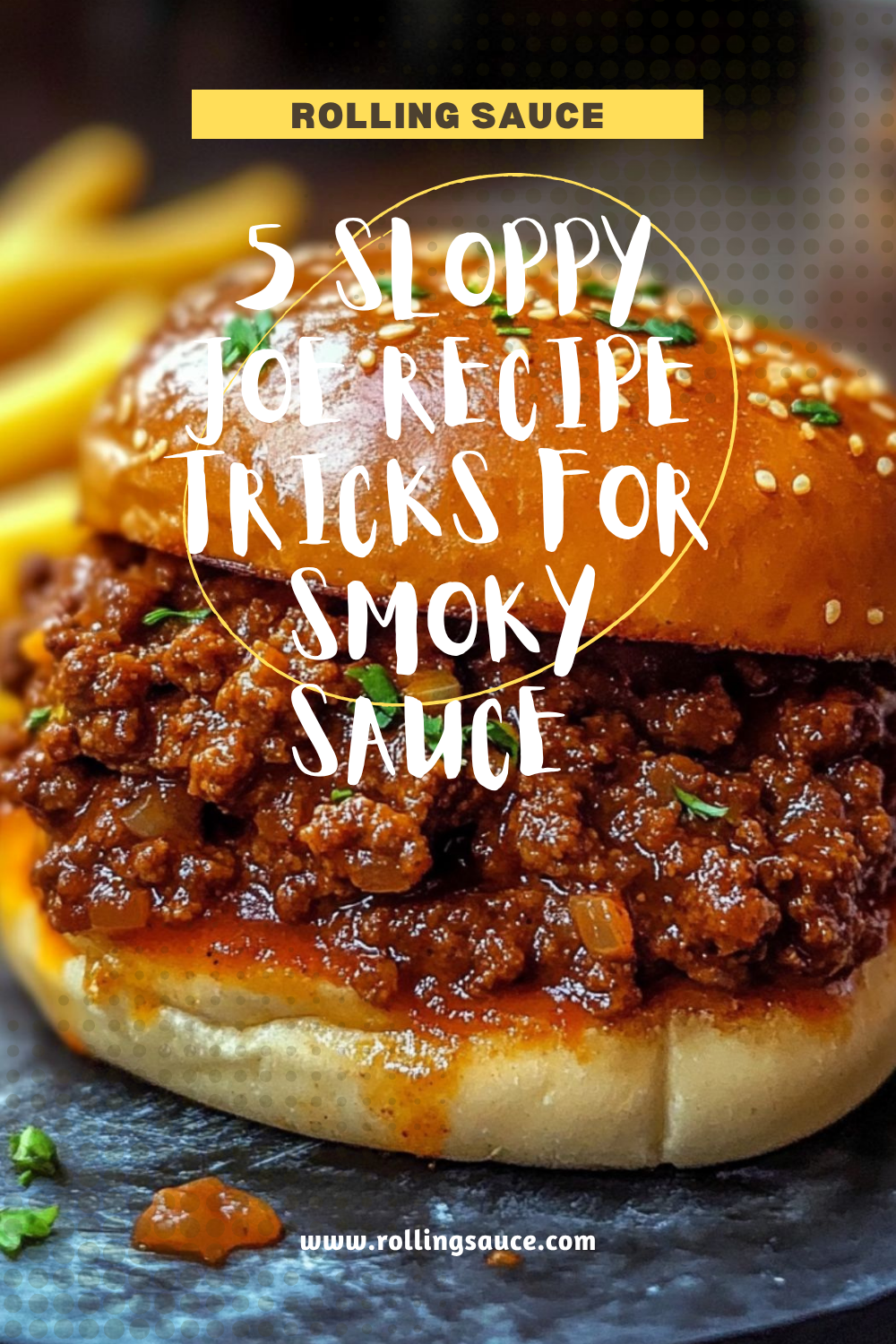
What You’ll Need
Here’s everything for 6 servings.
For the filling:
- 1 tablespoon olive oil
- 1½ pounds ground beef, 85/15 fat ratio
- 1 medium yellow onion, finely diced
- 1 small green bell pepper, finely diced
- 3 cloves garlic, minced
For the smoky sauce:
- ¾ cup ketchup
- 2 tablespoons tomato paste
- 2 tablespoons Worcestershire sauce
- 2 tablespoons light brown sugar, packed
- 1 tablespoon yellow mustard
- 1 teaspoon smoked paprika
- ½ teaspoon chili powder
- ½ teaspoon garlic powder
- 1 tablespoon apple cider vinegar
- ¼ teaspoon liquid smoke (optional but very good)
- ½ cup low-sodium beef broth or water
- Kosher salt and black pepper, to taste
For serving:
- 6 hamburger or brioche buns, split
- 2 tablespoons butter (for toasting buns)
- Dill pickle slices (optional)
- Shredded cheddar cheese (optional)
The 85/15 ground beef is the right fat ratio here — enough fat to stay juicy and develop good browning, not so much that the sauce goes greasy. Drain most of the fat after browning but leave about a tablespoon in the pan for the vegetables.
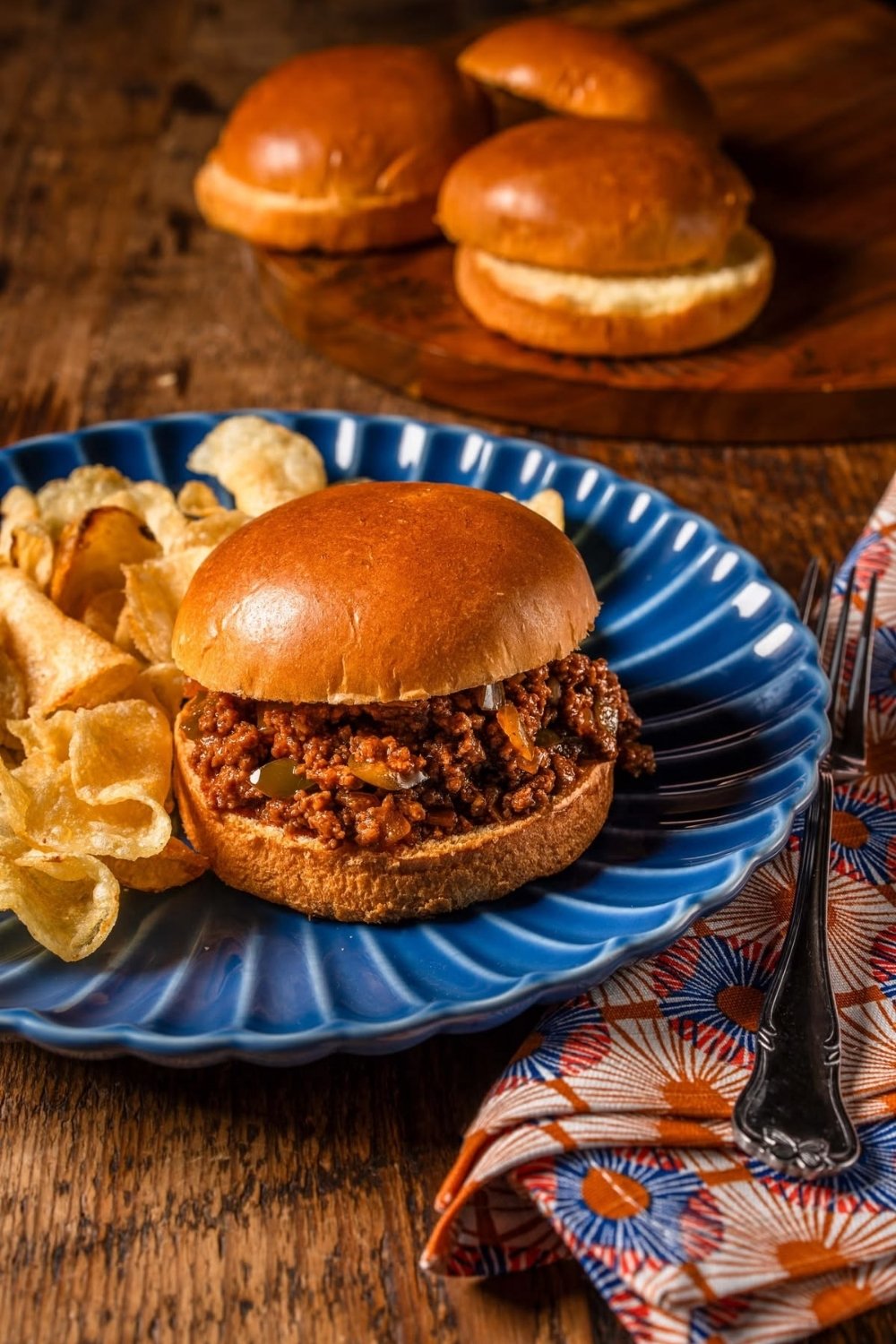

Smoky Homemade Sloppy Joes
Ingredients
Method
- Heat olive oil in a large skillet over medium-high heat. Add ground beef and cook 6–7 minutes, breaking into small pieces, until well browned. Drain most fat, leaving about 1 tablespoon.
- Add onion and bell pepper; cook 4–5 minutes until softened. Add garlic and stir 30 seconds.
- Whisk all sauce ingredients together in a small bowl. Pour over the beef mixture and stir to coat. Add broth and stir.
- Bring to a gentle simmer. Cook uncovered 10–15 minutes until the sauce thickens and clings to the meat. Taste and adjust seasoning.
- Toast buns: Butter cut sides and toast in a dry skillet or under broiler until golden.
- Spoon filling generously onto bun bottoms. Add pickles or cheese if using. Serve immediately.
Notes
- Storage: Refrigerate filling for up to 4 days. Reheat in a skillet with a splash of broth.
- Freeze: Cool completely and freeze up to 3 months. Thaw overnight, reheat in a skillet.
- Liquid smoke: Optional but recommended (¼ tsp adds significant depth without tasting smoky).
- Swap: Ground turkey or chicken at 1:1. Add an extra tablespoon of tomato paste.
How to Make It
Step 1: Brown the Beef
Heat the olive oil in a large skillet over medium-high heat. Add the ground beef and cook, breaking it into small pieces with a spoon, for 6–7 minutes until well browned throughout. Don’t rush the browning — the color and crust on the beef add flavor to the finished sandwich. Drain most of the excess fat, leaving about a tablespoon.
Step 2: Cook the Vegetables
Add the diced onion and bell pepper to the pan. Cook for 4–5 minutes, stirring occasionally, until softened and the onion is translucent. Add the garlic and stir for 30 seconds until fragrant.
Step 3: Make and Add the Sauce
While the vegetables cook, whisk together the ketchup, tomato paste, Worcestershire sauce, brown sugar, mustard, smoked paprika, chili powder, garlic powder, apple cider vinegar, and liquid smoke in a small bowl. Pour the sauce over the beef and vegetable mixture and stir to coat everything evenly. Add the beef broth and stir to incorporate.
Step 4: Simmer Until Thick
Bring to a gentle simmer over medium heat. Cook uncovered for 10–15 minutes, stirring occasionally, until the sauce has thickened enough to hold its shape on a spoon rather than running freely. Taste and adjust: more brown sugar if you want it sweeter, more vinegar if it needs more brightness, more smoked paprika if you want more smokiness.
Step 5: Toast the Buns and Serve
Wipe out the skillet or use a second pan. Spread butter on the cut sides of each bun. Toast cut-side down over medium heat for 1–2 minutes until golden. Spoon the sloppy joe mixture generously over the bottom bun. Add pickle slices or shredded cheddar if using. Top with the bun and serve immediately.
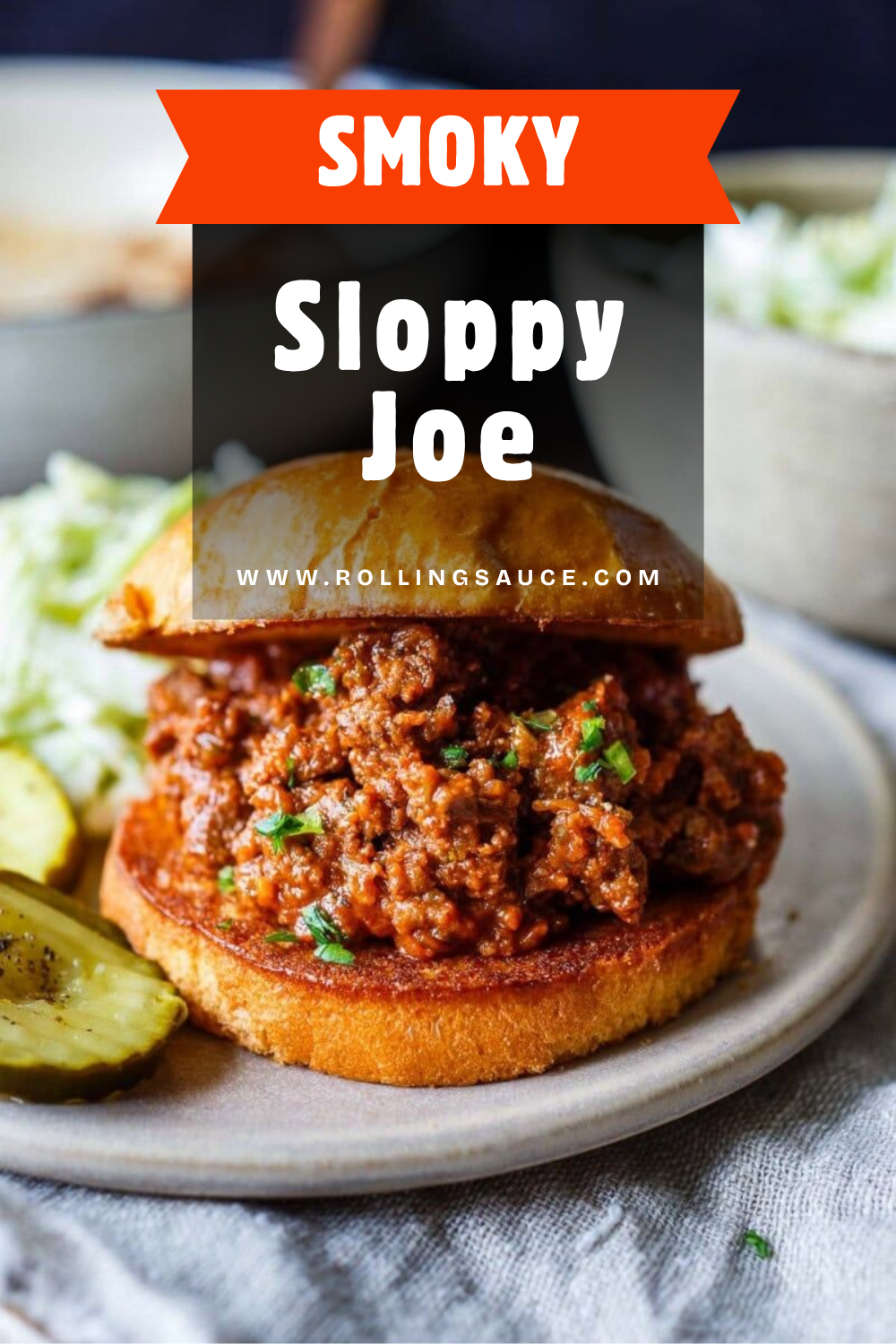
Tips for the Best Sloppy Joes
- Toast the buns. This is the single most important tip. An untoasted bun turns to paste immediately from the sauce moisture. A buttered, toasted bun creates a slight moisture barrier and adds flavor. The difference between the two in the eating experience is significant.
- Don’t skip the browning. Ground beef that’s cooked quickly to gray is flavorless. Ground beef that’s given time to develop a real brown crust has a depth that carries through the finished sandwich. Medium-high heat, don’t move it too early.
- Season the sauce before it goes into the pan. Taste the sauce raw before adding it to the meat. It should taste bold and slightly over-seasoned — because it’s going to coat a lot of meat, and the meat will absorb and dilute those flavors. A sauce that tastes just right in the bowl will taste flat in the finished sandwich.
- Simmer long enough. Ten minutes is the minimum. Fifteen is better. The sauce thickens and the flavors meld over low heat in a way that a 5-minute simmer can’t replicate.
- Adjust sweetness and acidity last. After simmering, taste and balance. If it’s too sweet, a splash more vinegar. If it’s too acidic, a pinch more brown sugar. Season with salt and pepper generously.
Variations Worth Making
This recipe is flexible in several directions:
- Turkey or chicken. Ground turkey or ground chicken swaps in 1:1. Use 93/7 ground turkey for the best texture. The sauce carries the flavor, so the leaner meat still tastes substantial. Add an extra tablespoon of tomato paste to compensate for the reduced fat flavor.
- Add heat. A teaspoon of sriracha or a pinch of cayenne stirred into the sauce alongside the other seasonings makes a noticeably spicier version. Or add diced jalapeño with the onion and bell pepper.
- Sloppy joe bowl. Skip the bun entirely and serve the meat sauce over fluffy mashed potatoes, steamed rice, or roasted potatoes. This is an underrated serving method that makes the meal more substantial without any extra cooking.
- BBQ version. Add 2 tablespoons of your favorite barbecue sauce to the sauce mixture and reduce the brown sugar to 1 tablespoon. The BBQ sauce adds another layer of smoky-sweet complexity.
- Cheesy sloppy joes. Stir ½ cup of shredded sharp cheddar or American cheese directly into the skillet in the last two minutes of cooking until melted. Pile onto buns and top with more shredded cheese.
Frequently Asked Questions
Can I make sloppy joes ahead of time? Yes, and the filling is actually better the next day — the flavors develop and deepen overnight. Make the filling up to 3 days ahead, refrigerate in an airtight container, and reheat in a skillet over medium-low heat with a splash of water or broth to loosen it. Toast the buns fresh when ready to serve.
What’s the best bun for sloppy joes? Brioche buns are the upgrade — they’re slightly sweet, tender, and sturdy enough to hold up to the sauce better than standard hamburger buns. Potato rolls are another excellent option. Whatever you use, toast them in butter first.
Can I freeze sloppy joe filling? Yes. Cool completely, transfer to a freezer-safe container or bag, and freeze for up to 3 months. Thaw overnight in the refrigerator and reheat on the stovetop over medium-low heat, adding a splash of broth if the sauce has thickened too much.
Is liquid smoke necessary? No. The smoked paprika and Worcestershire sauce provide a solid smoky-savory baseline without it. The liquid smoke is an amplifier, not a foundation. Without it, the sauce is still very good. With it, the sauce is noticeably more complex.
What to Serve Alongside
Sloppy joes are a full dinner on their own if you’re fine with just the sandwich. For a proper plate, a few sides work particularly well.
Potato chips are the classic American diner match — the crunch against the saucy filling is exactly right. French fries or waffle fries serve the same function with more commitment. Coleslaw provides a cold, creamy contrast that cuts through the richness of the sauce. Corn on the cob or baked beans are the cookout-style sides that make this feel like a complete spread.
For a full comfort food rotation, this sloppy joe sits comfortably alongside Mississippi pot roast and quick ground beef dinners as the kind of recipe that gets made without consulting anything — just from memory, when the craving shows up.
Storing and Making Ahead
The filling stores exceptionally well — better, in fact, than it tastes fresh. A day in the fridge gives the Worcestershire, smoked paprika, and brown sugar more time to meld together, and the sauce thickens further from the residual starch in the meat. Day-two sloppy joes are a genuinely different, deeper eating experience than day-one.
Refrigerate the filling in an airtight container for up to 4 days. Reheat in a skillet over medium-low heat with a splash of beef broth or water to loosen the sauce — it will have thickened significantly in the fridge. Don’t microwave straight from cold if you can avoid it; the skillet reheating revives the texture of the meat better.
For freezing: cool the filling completely before transferring to a zip-lock bag or airtight freezer container. Lay flat in the freezer if using a bag. Keeps for up to 3 months. Thaw overnight in the refrigerator. Reheat in a skillet as above.
The buns don’t store — always toast fresh buns when serving, even reheated filling. That contrast between the warm, crispy-edged toasted bun and the saucy filling is most of what makes this dish work on the plate.