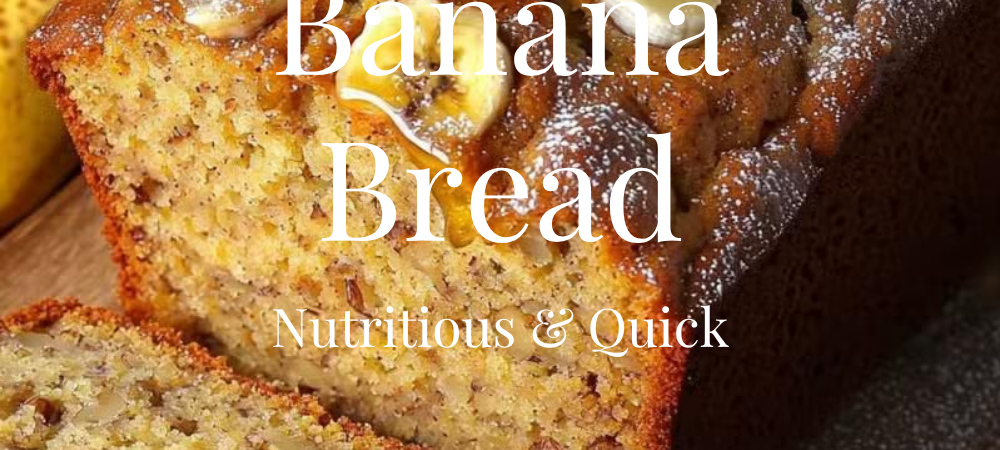
There’s a particular smell that fills a kitchen when banana bread is in the oven — warm, sweet, a little spiced — and it’s the kind of smell that immediately feels like someone’s grandmother is in charge. This is that loaf. Soft, dense in the right way, packed with ripe bananas and a blend of warming spices that turn a simple quick bread into something that tastes like it’s been made a hundred times before, because it probably has.
What sets this banana bread apart from the dozens of other versions out there is the spice blend. Most recipes stop at cinnamon, but adding a pinch each of nutmeg, cloves, and ginger gives the loaf a depth that’s hard to place at first bite — it just tastes right, like the kind of thing that’s been quietly perfected over years rather than thrown together from a recipe card.
And the best part is that it really is as simple as it looks. No special equipment, no complicated technique — just ripe bananas, a few pantry staples, and one bowl.
This is also the kind of recipe that’s forgiving of mistakes. A little too much or too little of a spice won’t ruin it, the bananas don’t need to be weighed to the gram, and there’s no precise temperature or timing window where things go wrong if you’re a minute or two off. It’s the sort of bake that’s meant to be made casually, on a Sunday afternoon or whenever there are bananas on the counter that need using up.
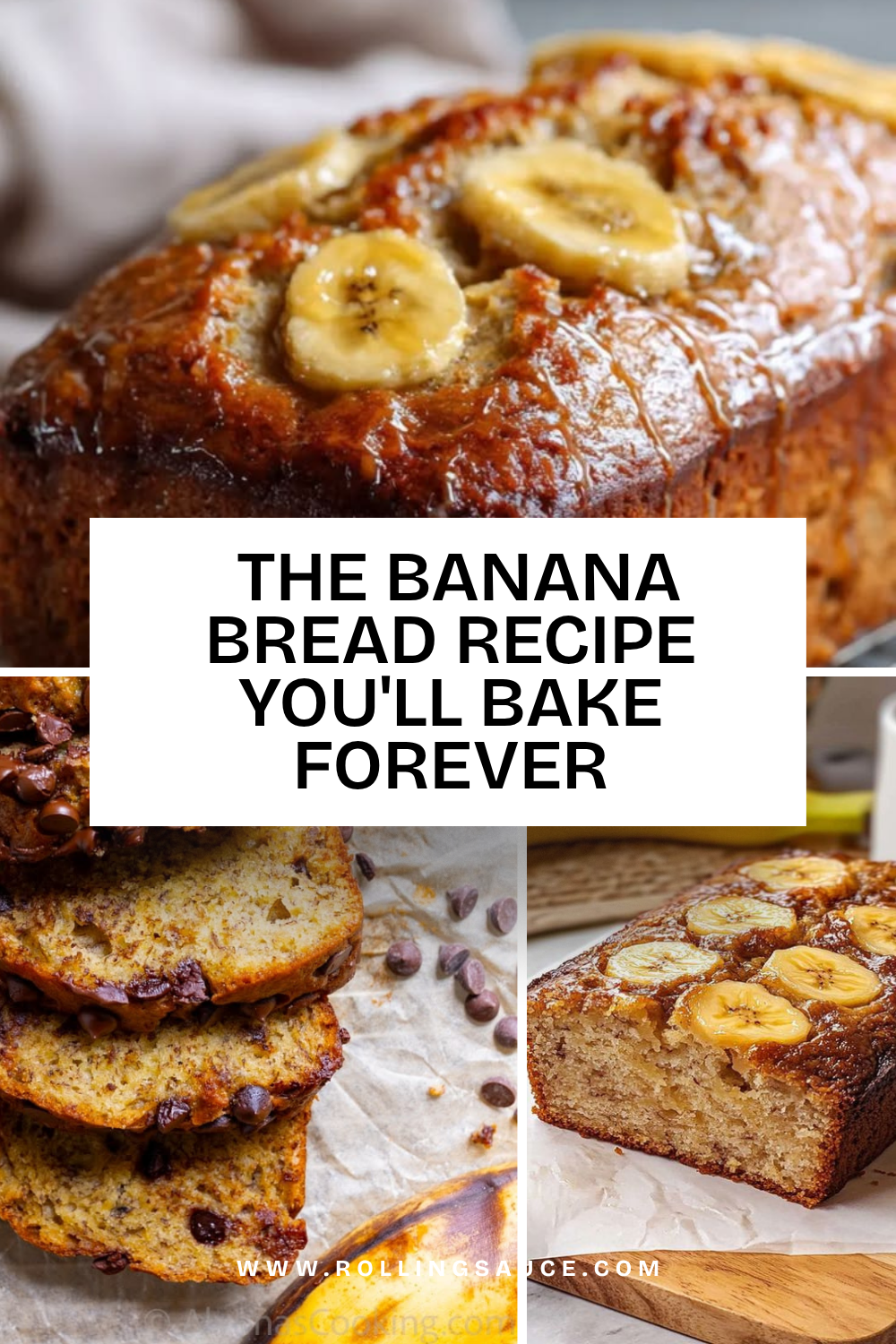
What Makes This Taste Like Grandma’s Banana Bread
There are two things doing most of the work here: the spices and the bananas themselves.
The spice blend — cinnamon, nutmeg, cloves, and ginger — is the same combination that shows up in a lot of old-fashioned baking, from spice cakes to gingerbread to a good one-layer carrot cake. On their own, each of these spices is fairly mild. Together, in small amounts, they create a warmth that’s hard to identify individually but unmistakable as a whole. That’s the flavor most people associate with “old-fashioned” baking, even if they couldn’t name what’s actually in it.
Then there are the bananas. The riper they are, the sweeter and more flavorful the loaf will be — really ripe bananas, with plenty of brown spots, break down easily when mashed and bring a natural sweetness that means you don’t need to load up on sugar to compensate. This is also where the texture comes from. Properly ripe, well-mashed bananas are what give banana bread that dense, moist crumb instead of something dry and cake-like.
The method itself is about as simple as baking gets: cream the butter, sugar, and mashed banana together, mix in the wet ingredients, fold in the dry ingredients and walnuts, and bake. There’s no creaming butter to a specific stage, no resting time, no proofing. It’s the kind of recipe that gets made from memory after the first couple of times.
There’s also something to be said for a recipe that doesn’t try too hard. No glaze, no frosting, no extra steps to make it look more impressive than it is. The loaf is dense, slightly craggy on top, and studded with walnuts — exactly what banana bread is supposed to look like. That plainness is part of what makes it feel familiar rather than like something new you’re trying out.
The Ingredients
Bananas. Three ripe bananas are the heart of this recipe, both for flavor and texture. The riper they are — soft, with plenty of brown spots — the better. Bananas that still have green tips or look firm and yellow all over will work, but the loaf won’t be quite as sweet or moist. If you’ve got bananas that are past the point of eating but not quite ready to use, there’s a simple trick for that, which I’ll get into in the tips section below.
Butter. Softened butter creamed with the sugar gives the loaf richness and helps create a tender crumb. Make sure it’s truly soft — straight from the fridge, it won’t combine smoothly with the bananas and sugar.
Brown sugar. Brown sugar brings a slight molasses note that pairs well with the warming spices, and it also helps keep the loaf moist as it bakes.
Egg. Just one egg, which binds everything together and adds a bit of structure to the batter.
Vanilla extract. A small amount rounds out the sweetness and ties the banana and spice flavors together.
Flour. All-purpose flour is the base of the batter. Nothing fancy needed here — this isn’t a recipe that benefits from specialty flours.
Baking powder. This is what gives the loaf its rise. Banana bread doesn’t need yeast or a long proofing time — baking powder does all the lifting here, and it works quickly.
Cinnamon, nutmeg, cloves, and ginger. Just a pinch of each, but together they’re responsible for most of the “old-fashioned” character of this loaf. Don’t be tempted to skip any of them individually — it’s the combination that matters, not any single spice on its own.
Walnuts. Chopped and folded into the batter, with a few extra sprinkled on top before baking. They add texture and a slightly bitter contrast to the sweetness of the bananas and sugar. If you’re not a fan of walnuts, pecans work just as well.
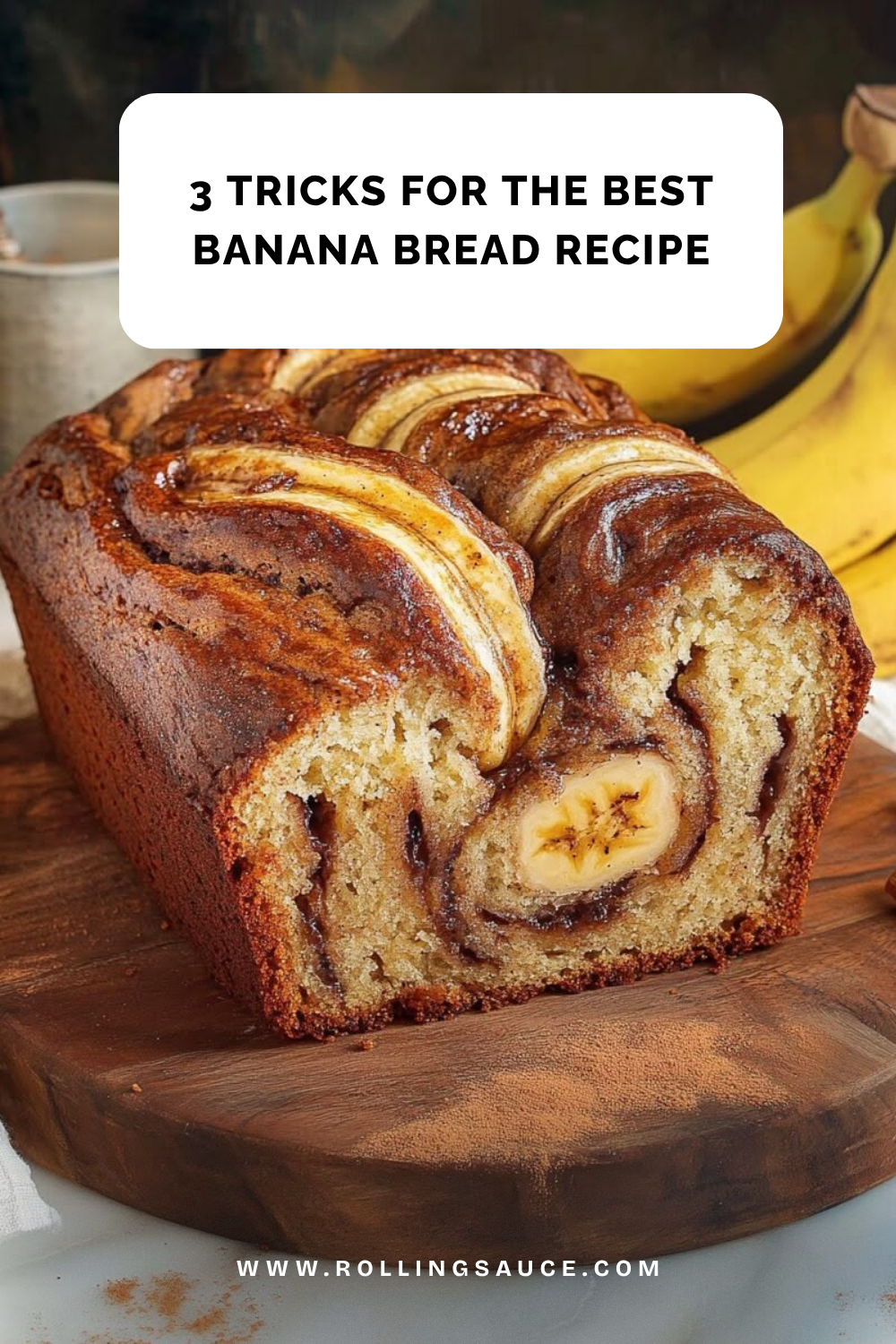
How to Make It
This whole recipe comes together in one bowl, with no mixer required — a fork and a spoon are really all you need. Have your loaf pan greased and your oven preheating before you start, since the batter doesn’t need to sit around once it’s mixed.
- Preheat the oven to 350°F (175°C) and grease a standard loaf pan.
- In a large bowl, mash the bananas with a fork until mostly smooth, with just a few small chunks remaining. Add the softened butter and brown sugar, and mix until well combined.
- Add the egg and vanilla extract, and stir until evenly incorporated into the banana mixture.
- Add the flour, baking powder, salt, cinnamon, nutmeg, cloves, and ginger. Mix until just combined — don’t overmix, or the loaf can turn out dense in the wrong way. Fold in most of the chopped walnuts, saving a small handful for the top.
- Pour the batter into the prepared loaf pan and smooth the top. Sprinkle the remaining walnuts over the surface.
- Bake for 40–45 minutes, until a toothpick inserted into the center comes out clean or with just a few moist crumbs.
- Let the loaf cool in the pan for about 10 minutes, then transfer it to a wire rack to cool completely before slicing.
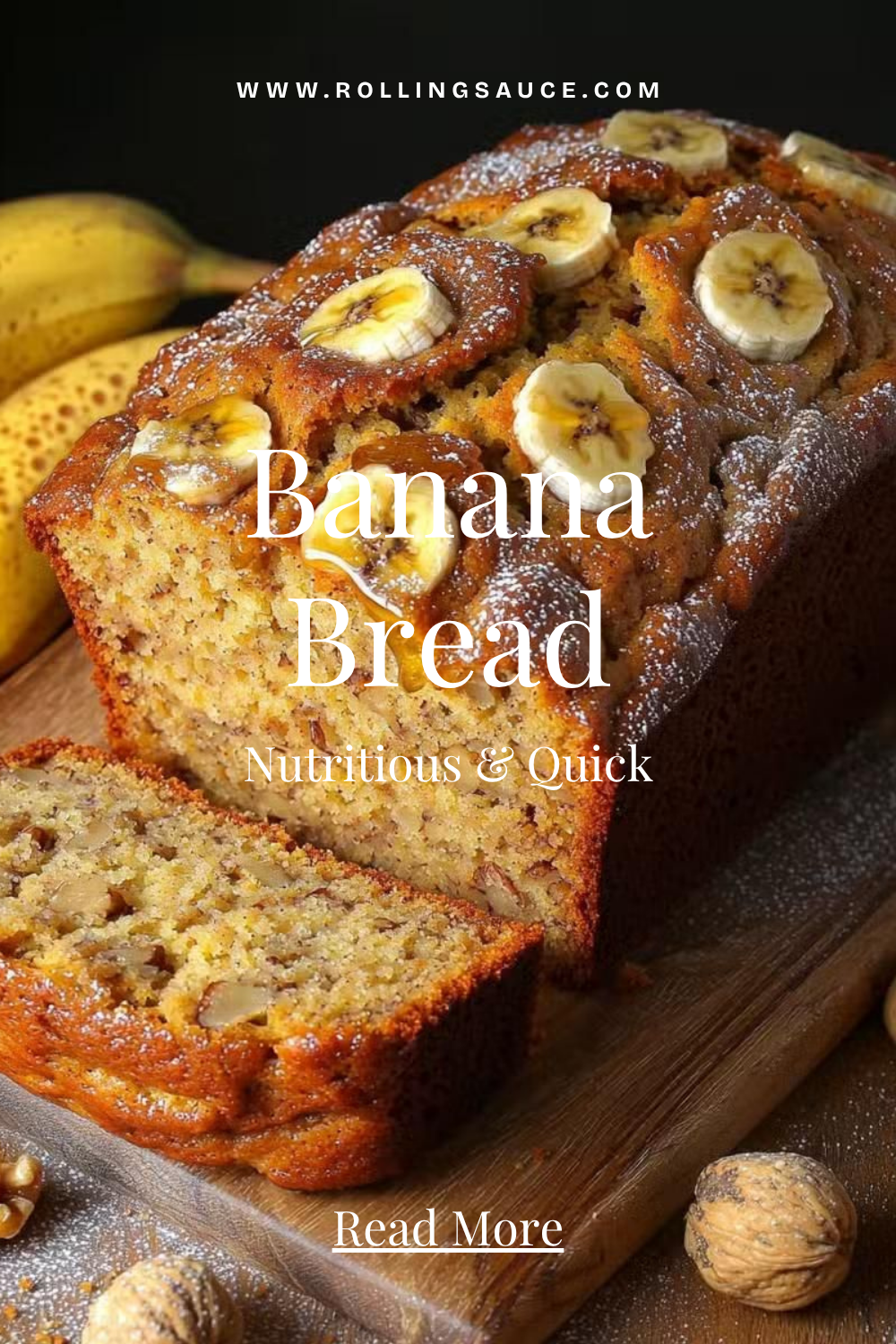
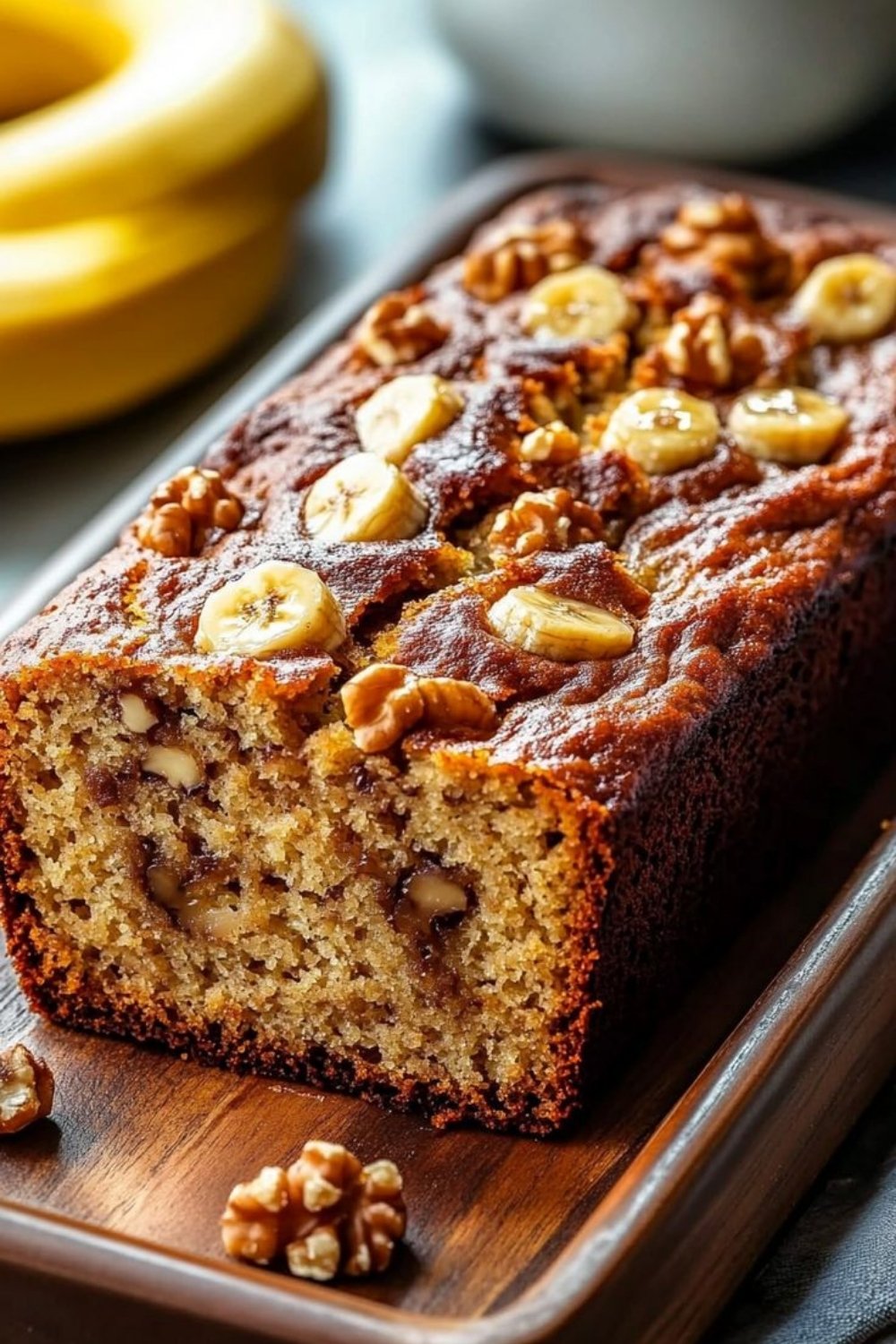

Classic Banana Bread
Ingredients
Method
- Preheat the oven to 350°F (175°C) and grease a standard loaf pan.
- In a large bowl, mash the bananas with a fork until mostly smooth. Add the softened butter and brown sugar, and mix until well combined.
- Add the egg and vanilla extract, and stir until evenly incorporated.
- Add the flour, baking powder, salt, cinnamon, nutmeg, cloves, and ginger. Mix until just combined – don’t overmix. Fold in most of the chopped walnuts, saving a handful for the top.
- Pour the batter into the prepared loaf pan and smooth the top. Sprinkle the remaining walnuts over the surface.
- Bake for 40-45 minutes, until a toothpick inserted into the center comes out clean or with just a few moist crumbs.
- Let the loaf cool in the pan for about 10 minutes, then transfer to a wire rack to cool completely before slicing.
Notes
- Storage: Keeps at room temperature, tightly wrapped, for up to 3 days. Freezes well, whole or sliced, for up to 3 months.
- Make ahead: Bake and freeze ahead – sliced pieces can go straight from the freezer to the toaster.
- Swap: Pecans work in place of walnuts, or leave out the nuts entirely. For a chocolate version, add 25g cocoa powder to the dry ingredients and fold in a handful of chopped dark chocolate along with the walnuts.
Tips for the Best Banana Bread
- Freeze your overripe bananas. Did you know bananas freeze well? If you’ve got a few that you know you won’t eat — or that have gone past the point of no return — peel them and pop them straight into the freezer. When you’re ready to bake, let them sit at room temperature for a bit until they soften, and you’ll get an even more moist loaf out of them. According to the USDA’s guidance on freezing, freezing doesn’t compromise food safety — only texture, which for banana bread is actually a bonus rather than a downside.
- Don’t skip the ripening step. If your bananas aren’t quite ripe enough when you’re ready to bake, a few extra days at room temperature makes a real difference. The sweeter and softer they get, the better the loaf turns out.
- Measure your flour properly. Scooping flour directly from the bag with the measuring cup tends to pack it down, which can mean more flour than the recipe intends. Spoon the flour into the cup and level it off instead for a more accurate measurement.
- Don’t overmix the batter. Once the flour goes in, mix just until everything is combined. Overmixing develops the gluten in the flour, which can make the loaf tougher and less tender.
- Check for doneness a few minutes early. Ovens vary, and a banana bread that’s slightly underbaked in the center is much easier to fix than one that’s dried out. Start checking with a toothpick around the 38-minute mark.
- Let it cool before slicing. As tempting as it is to cut into a warm loaf, banana bread continues to set as it cools. Slicing too early can make it seem gummy in the middle even when it’s fully baked.
Variations to Try
This recipe is flexible enough to take in a few different directions, depending on what you’re in the mood for.
Go chocolate. If you want a richer, more dessert-like version, add 25g (about 3 tablespoons) of cocoa powder to the dry ingredients and fold in a handful of chopped dark chocolate along with the walnuts. This turns the loaf into something closer to a treat than a breakfast bread — somewhere between banana bread and a chocolate mug cake in terms of how indulgent it feels.
Make it nut-free. Simply leave out the walnuts entirely, or replace them with a handful of chocolate chips, dried fruit, or seeds if you want some texture without nuts.
Try it in muffin form. If you’d rather have individual portions, the same batter works in a muffin tin — just reduce the baking time to around 20–25 minutes and check for doneness with a toothpick. For another banana-based option that’s muffin-shaped from the start, banana oat muffins are worth a look too, especially if you’re after something a little less sweet.
Add a streusel top. For a slightly more bakery-style finish, mix a small amount of flour, brown sugar, and cold butter into coarse crumbs and scatter it over the batter before baking. It adds a sweet, crunchy layer on top without changing anything about the inside of the loaf.
Storage and Make-Ahead
This banana bread keeps well, which makes it a good one to bake ahead. Once fully cooled, wrap the loaf tightly in plastic wrap or store it in an airtight container at room temperature for up to 3 days.
For longer storage, the loaf freezes well — either whole or sliced. Wrap it tightly and freeze for up to 3 months. Sliced and frozen individually, pieces can go straight from the freezer to the toaster for a quick warm-up.
If banana bread becomes a regular thing in your kitchen, it’s worth keeping a stash of other quick breads and muffins in rotation too — blueberry muffins freeze and reheat just as easily, and having a couple of options means breakfast or snack time doesn’t get repetitive.
Banana Bread FAQ
Why did my banana bread sink in the middle?
This usually comes down to underbaking or too much leavening. If the loaf looks done on the outside but sinks as it cools, it likely needed a few more minutes in the oven — the structure wasn’t fully set yet. Double-check your baking powder measurement too, since too much can cause the loaf to rise quickly and then collapse.
Can I use frozen bananas straight from the freezer?
Not directly — let them thaw first. Frozen bananas become very soft and dark once thawed, which is exactly what you want for this recipe, but they need some time at room temperature (or a quick stint in the microwave) before mashing. Using them frozen-solid will throw off the texture of the batter.
Do I have to use walnuts?
No — they’re easy to swap or skip. Pecans work just as well if that’s what you have, and if nuts aren’t your thing, you can leave them out entirely or replace them with chocolate chips, dried cranberries, or a handful of seeds. The loaf will still hold together and taste the same without them; you’ll just lose a bit of the textural contrast.
There’s something satisfying about a recipe that doesn’t need updating — no trendy substitutions, no extra steps for the sake of novelty, just bananas, butter, sugar, spices, and a loaf pan. This is the kind of banana bread that gets made again and again, not because it’s exciting, but because it’s exactly what you want it to be every time. If old-fashioned bakes are your thing, a classic cheesecake belongs in the same category — simple, familiar, and worth keeping in the rotation for good.
And the next time you find a bunch of bananas going soft on the counter before you’re ready to bake, you’ll know exactly what to do with them. Peel, freeze, and let them wait until you’ve got the time — the loaf will be just as good, if not better, for it.