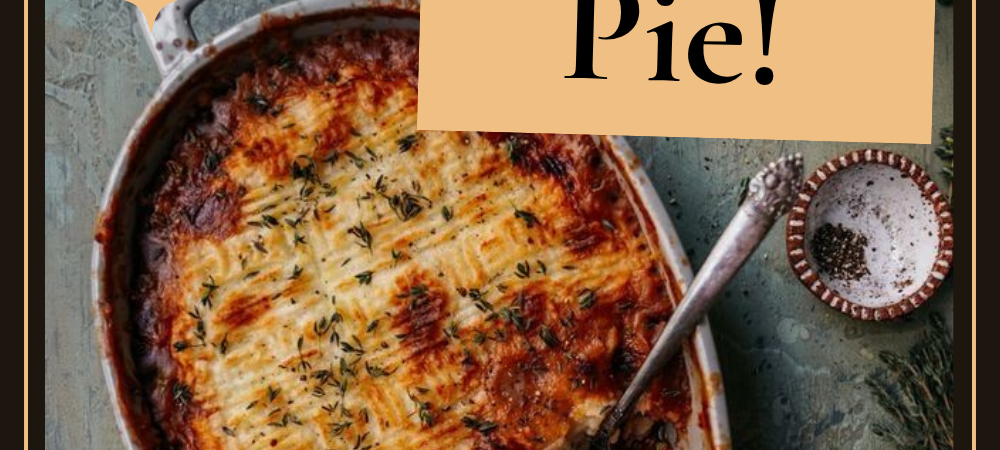
Some recipes are so familiar they get made by feel — a handful of this, a splash of that, a cook time adjusted by how things look in the pan. Shepherd’s pie is that kind of dish for a lot of families. Made so many times that the steps become automatic, and nobody writes it down because everyone assumes everyone already knows it.
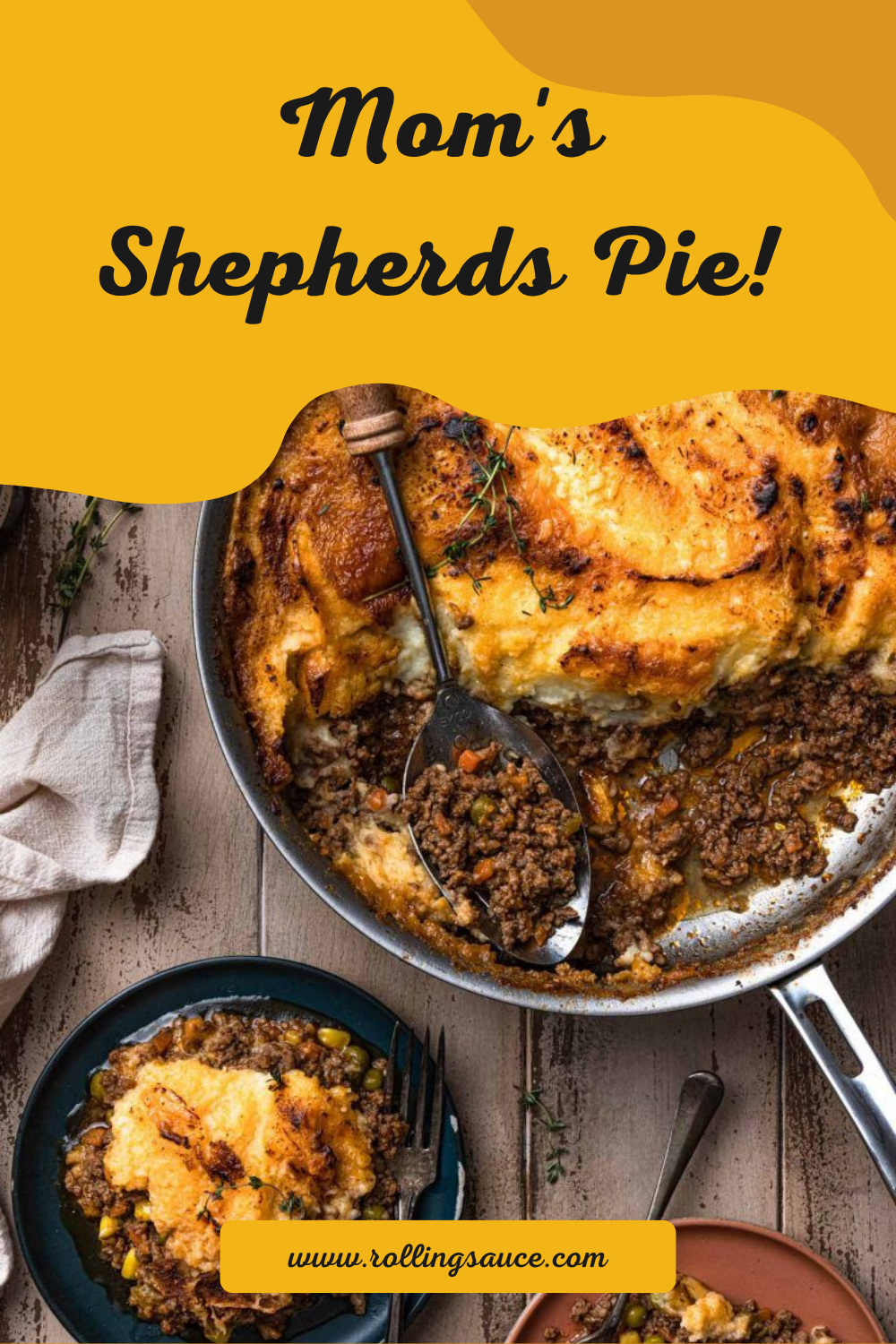
This is the version that finally got written down. Warm, deeply savory, with a proper mashed potato topping that goes on thick and bakes golden at the ridges. The filling is a browned beef and vegetable base built on tomato paste, Worcestershire sauce, and beef broth thickened into a gravy that stays saucy without running thin when you cut in.
About 30 minutes of prep and 25 minutes in the oven. Here’s how it goes.
Shepherd’s Pie vs. Cottage Pie
Worth addressing briefly: technically, shepherd’s pie uses lamb (the shepherd’s meat) and cottage pie uses ground beef. In practice — especially in the United States — the names get used interchangeably and most home recipes labeled “shepherd’s pie” use beef. This one does.
Swap in ground lamb at the same quantity if you want to make a technically accurate version. The steps are identical, the flavor is slightly gamier and more traditional. The potato topping is the same either way.
What Makes This Version Worth Making
A few things separate this from a basic ground beef and mashed potato casserole.
The filling has depth. Tomato paste cooks in the pan for a full minute before the broth goes in, which caramelizes it slightly and concentrates the tomato flavor from sharp and raw to something darker and savory. Worcestershire sauce goes in next and adds a background umami hit that reads as “this tastes like something” without tasting specifically like anything identifiable. Thyme and rosemary cook into the gravy rather than just sitting on top.
The potatoes are properly made. This isn’t the place for instant mashed. Butter, whole milk, sour cream — the topping needs to be rich and thick enough to hold its shape when spread over the filling and to bake up with real surface texture rather than collapsing into the gravy underneath.
The flour thickens what it should. Going in with the cooked vegetables and meat, before the broth, the flour creates a proper gravy that stays together through the bake. You don’t end up with a watery pool at the bottom of the dish.
The Mashed Potato Topping Is Half the Dish
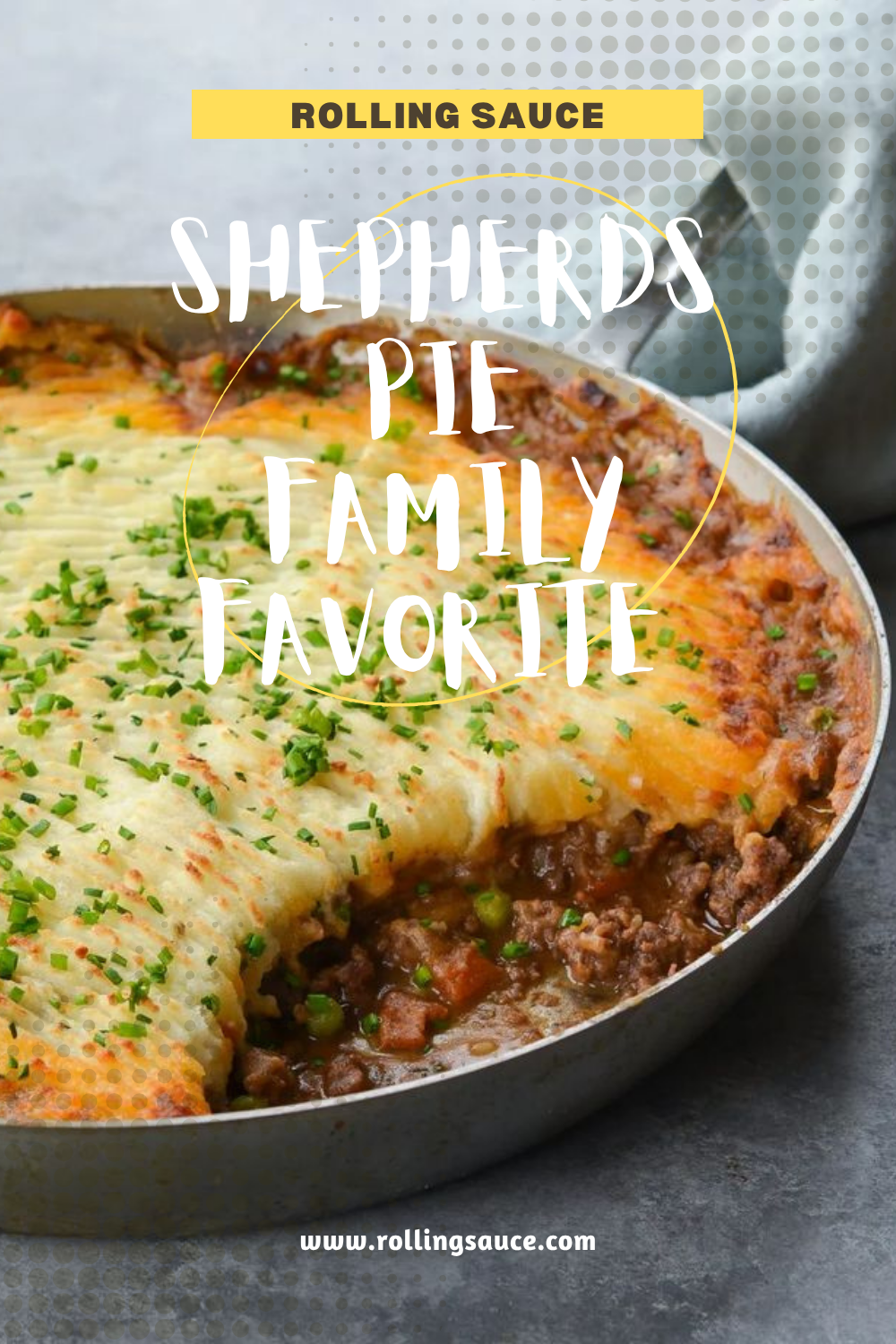
The mashed potato topping is not just a lid. It’s a full component, and it needs to be made properly or everything suffers.
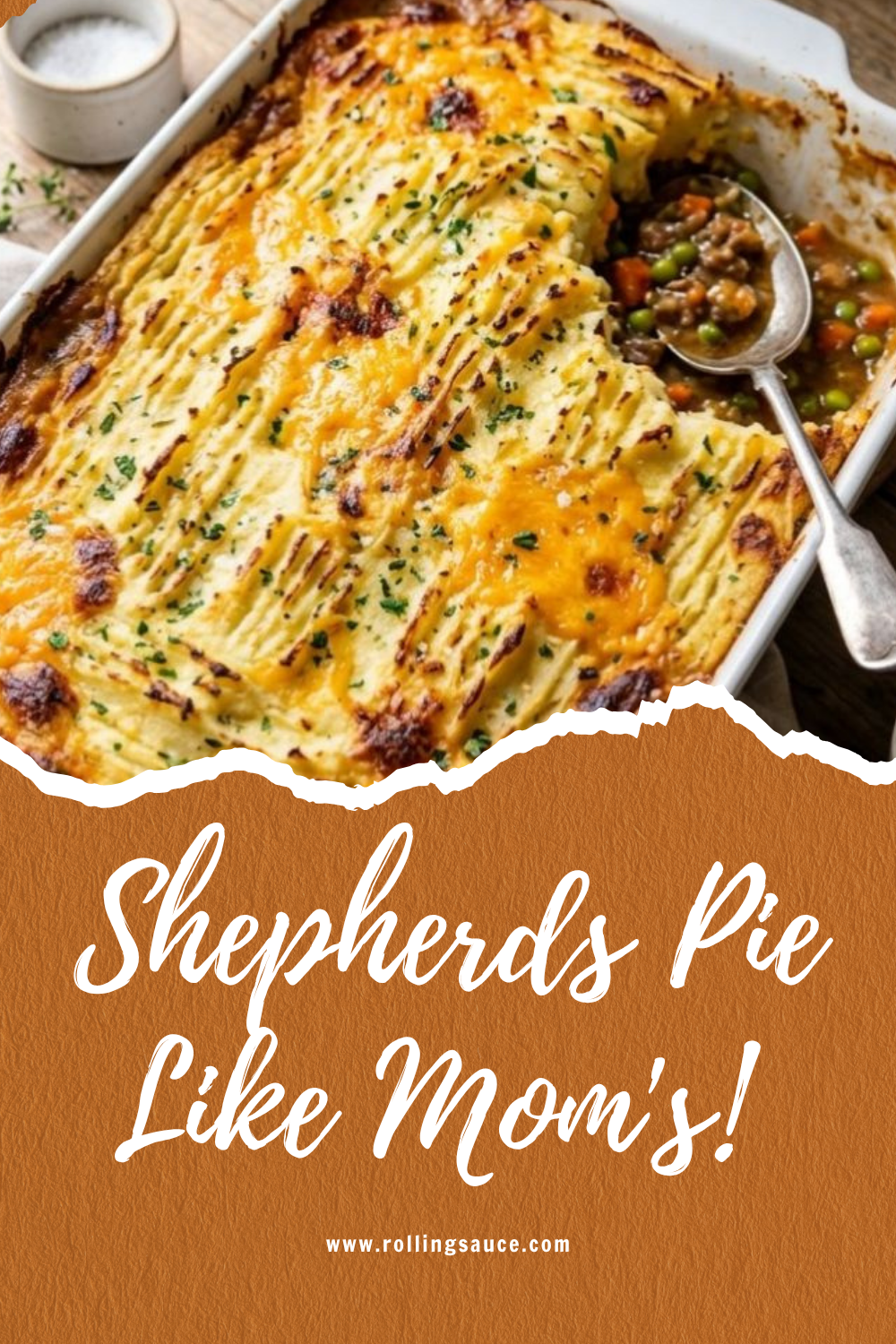
A thin, loose mashed potato sinks into the filling during baking and turns into a grayish layer that melds with the gravy. A properly made topping — thick with butter and sour cream, dense enough to hold peaks when you spread it — sits on top of the filling without sinking, bakes golden at the ridges, and acts as a textural contrast to the saucy filling underneath.
Russet potatoes are the right choice here. They mash up light and slightly fluffy, which makes them easy to spread and produces a textured surface after baking. Yukon Golds are creamier and butterier but slightly denser — they work, just know the topping will be richer and a bit stickier to work with. Either way, the sour cream in the mix is the detail that matters most: it adds a gentle tang that cuts through the richness of the beef filling and makes the topping taste like something rather than neutral starch.
The ridges you create with a fork before it goes in the oven are not decorative. They catch heat differently than the smooth surface and produce those golden-brown peaks that make this dish look the way it should. If you want more depth on mashed potato technique in general, this buttery mashed potato guide covers all the key steps.
What You’ll Need
Everything for a 9×13-inch baking dish or large oven-safe skillet, serving 6–8.
For the mashed potato topping:
- 2½ pounds Russet potatoes, peeled and cut into chunks
- 4 tablespoons unsalted butter
- ½ cup whole milk or heavy cream, warmed
- ¼ cup sour cream
- 1 teaspoon kosher salt
- ½ teaspoon black pepper
- ½ cup shredded sharp cheddar cheese (optional, but very good on top)
For the filling:
- 1 tablespoon olive oil
- 1½ pounds ground beef, 85/15 fat ratio
- 1 medium yellow onion, diced
- 2 medium carrots, cut into small dice
- 3 cloves garlic, minced
- 2 tablespoons tomato paste
- 1 tablespoon Worcestershire sauce
- 2 tablespoons all-purpose flour
- 1 cup low-sodium beef broth
- 1 cup frozen peas
- 1 teaspoon fresh thyme leaves (or ½ teaspoon dried)
- ½ teaspoon fresh rosemary, finely chopped (or ¼ teaspoon dried)
- 1 teaspoon kosher salt
- ½ teaspoon black pepper
- 1 bay leaf
The 85/15 ground beef is the right fat ratio for this filling — enough fat to stay juicy and flavorful, not so much that the gravy turns greasy. If you drain after browning, you control exactly how much fat stays in.
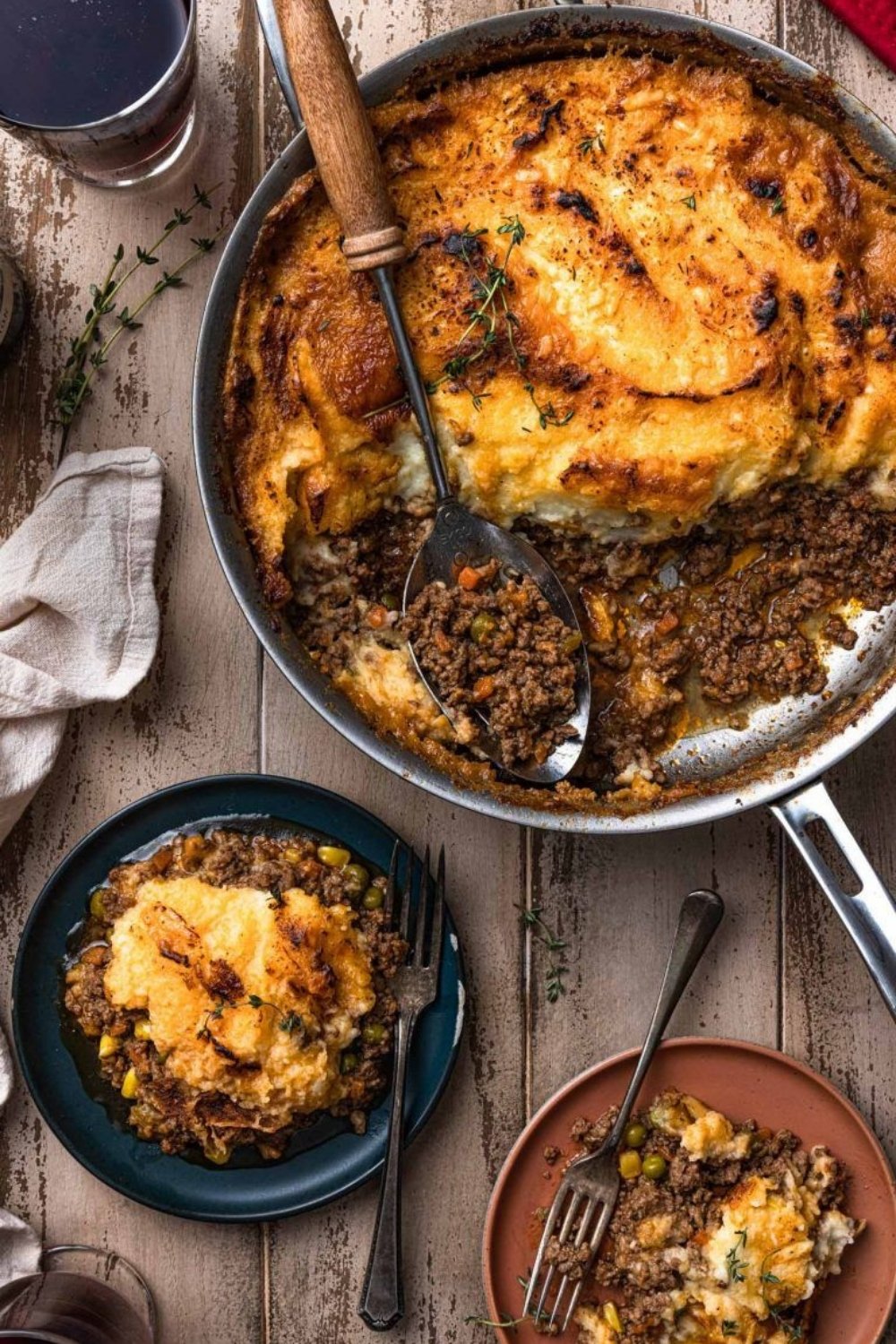

Mom’s Shepherd’s Pie
Ingredients
Method
- Cover potato chunks with cold salted water, bring to a boil, and cook 15–18 minutes until fork-tender. Drain, return to the pot, and let steam 1 minute. Mash with butter, then add warm milk, sour cream, salt, and pepper. Mash until thick and smooth. Cover and set aside. Preheat oven to 400°F.
- Heat olive oil in a large oven-safe skillet over medium-high heat. Add ground beef and let sit 1–2 minutes before breaking up. Cook 6–7 minutes until well browned. Drain most fat, leaving about 1 tablespoon.
- Add onion and carrots; cook 4–5 minutes until softened. Add garlic; cook 30 seconds. Add tomato paste and cook, stirring, for 1 full minute until slightly darkened. Add Worcestershire sauce and flour; stir to coat. Pour in beef broth, add thyme, rosemary, bay leaf, salt, and pepper. Simmer 5–8 minutes until gravy coats the back of a spoon. Remove bay leaf. Fold in frozen peas.
- Spoon mashed potatoes in large dollops over the filling, then spread to the edges. Create ridges on the surface with a fork. Sprinkle cheddar on top if using.
- Bake 20–25 minutes until the top is golden and the filling bubbles at the edges. For deeper browning, broil 2–3 minutes. Rest 5–10 minutes before serving.
Notes
- Storage: Refrigerate covered for up to 4 days. Reheat at 350°F covered for 20–25 minutes, or microwave individual portions.
- Make ahead: Assemble unbaked, cover, and refrigerate up to 24 hours. Bake from cold, adding 10–15 minutes to the bake time. Or freeze unbaked for up to 3 months; bake from frozen at 400°F covered 30 min + uncovered 30–35 min.
- Swap: Ground lamb at 1:1 for a traditional shepherd’s pie. Ground turkey works — add an extra tablespoon of butter.
How to Make It
Step 1: Make the Mashed Potatoes
Cover the potato chunks with cold salted water in a large saucepan and bring to a boil. Cook for 15–18 minutes until completely tender — a fork should slide through with no resistance. Drain thoroughly, return the potatoes to the warm pot, and let them steam for a minute to drive off excess moisture. Mash with the butter first, then add the warm milk and sour cream. Mash until smooth and thick. Taste and adjust the salt. Keep covered and set aside. Preheat the oven to 400°F.
Step 2: Brown the Beef
Heat the olive oil in a large oven-safe skillet over medium-high heat. Add the ground beef and let it sit for 1–2 minutes before breaking it up — you want a real sear on the meat, not steaming. Cook for 6–7 minutes total, breaking it into small crumbles, until browned through. Drain off most of the excess fat, leaving about a tablespoon in the pan for the vegetables.
Step 3: Build the Filling
Add the onion and carrots to the pan and cook for 4–5 minutes until softened. Add the garlic and stir for 30 seconds. Add the tomato paste and cook it into the meat and vegetables, stirring constantly, for 1 full minute — it should darken slightly and smell toasty. Add the Worcestershire sauce and flour and stir to coat everything. Pour in the beef broth, then add the thyme, rosemary, bay leaf, salt, and pepper. Simmer over medium heat, stirring occasionally, for 5–8 minutes until the gravy thickens enough to coat the back of a spoon. Remove the bay leaf. Fold in the frozen peas.
Step 4: Assemble and Bake
Spoon the mashed potatoes over the filling in large dollops across the surface, then spread and connect them into an even layer going edge to edge. Use a fork to drag ridges across the top — these brown unevenly and give the surface its texture. Sprinkle cheddar cheese over the top if using. Bake for 20–25 minutes until the topping is golden and the filling is bubbling around the edges. For more browning, broil for 2–3 minutes at the end. Rest for 5–10 minutes before serving.
Building the Filling Right
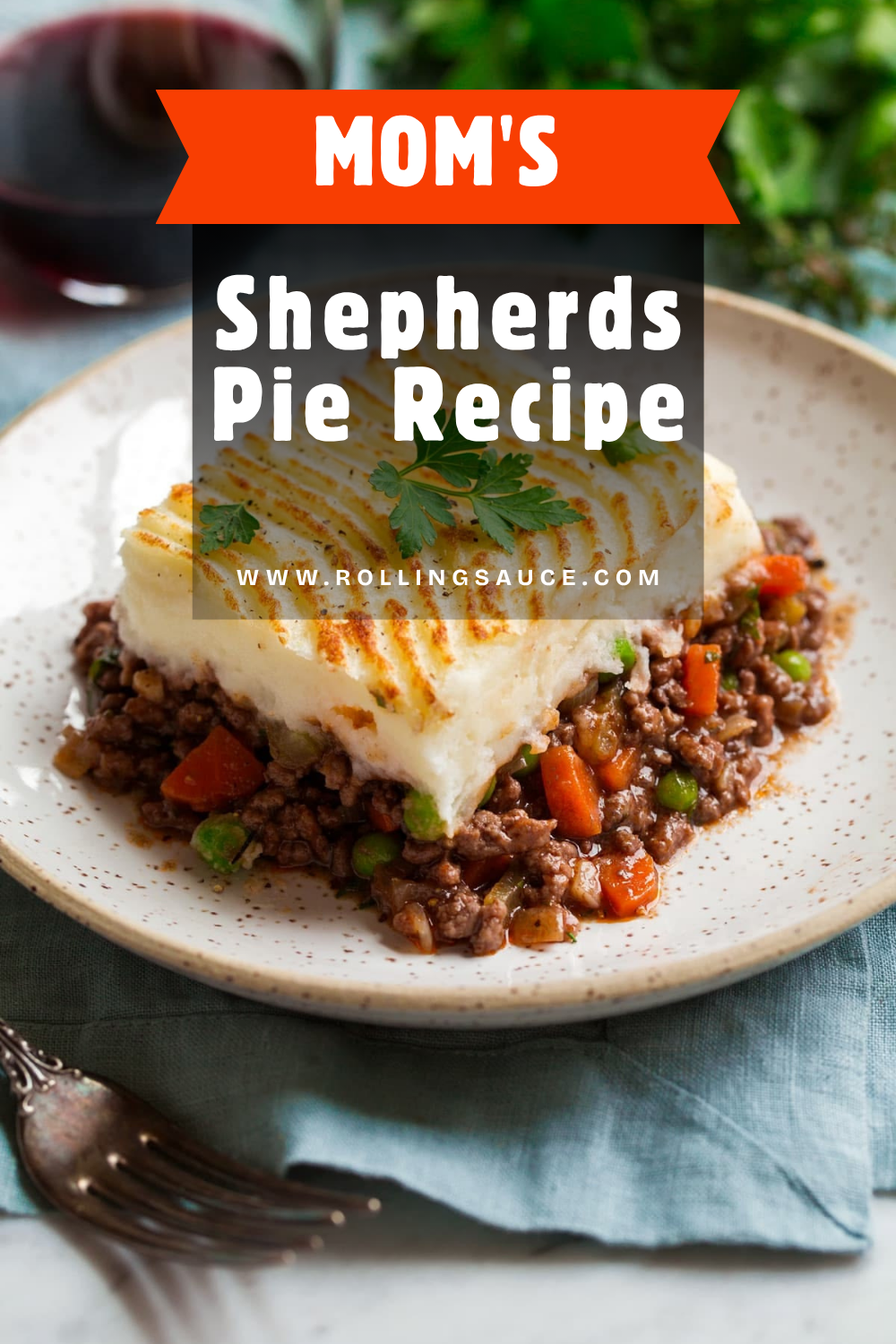
The filling is where the dish either delivers or falls flat, and a few decisions in sequence matter.
Brown the beef over real heat. A crowded pan or low heat steams instead of sears. Let the meat sit undisturbed for a minute or two before breaking it up, and use medium-high throughout. The browning that happens on the surface of the beef — the Maillard reaction — is where a significant share of the filling’s flavor comes from.
Cook the tomato paste before the liquid. One minute in the hot pan with the meat and vegetables is enough to caramelize the sugars and take the edge off the raw acidic flavor. Don’t skip this.
The Worcestershire sauce is not optional. As Serious Eats explains in their writing on braised meat dishes, Worcestershire sauce is one of the most concentrated umami sources available in a standard pantry. A single tablespoon adds a savory complexity that reads as depth and richness rather than as any specific flavor. It does more for the filling than almost anything else on the ingredient list.
Simmer until genuinely thick. The gravy should coat the back of a spoon and hold a line when you drag your finger across it before the potatoes go on. If it looks thin, give it more time over heat. A thin filling bakes down further and leaves a watery pool at the bottom.

Tips for the Best Results
- Make the mashed potatoes thicker than you think. For a topping that holds up over the filling without sinking, the mash should be denser than you’d make for a standalone side dish. Add the milk slowly and stop before the texture goes loose.
- Spread the potatoes in dollops first. Drop large spoonfuls across the filling surface, then connect and smooth them. Trying to spread from one end to the other in one stroke pushes the filling around underneath.
- Create real ridges on the surface. Drag a fork in parallel lines, or press waves with the back of a spoon. Texture catches the oven heat differently and produces those uneven golden peaks that look and taste better than a flat, pale top.
- Let it rest. Five minutes minimum, ten is better. The gravy settles and thickens off the heat, and the serving portions stay together rather than collapsing into each other on the plate.
- Taste the filling before the potatoes go on. Once the dish is assembled, the seasoning is locked in. A well-seasoned filling makes for a well-seasoned final dish. Adjust salt and pepper before assembly.
Variations and Swaps
- Ground lamb. Swap 1:1 for beef. Steps identical, flavor more mineral and gamey — closer to the British original.
- Ground turkey. Works well as a lighter option. Add an extra tablespoon of butter to the pan since turkey has less fat.
- Mushrooms in the filling. About 8 oz of diced cremini mushrooms added with the onion and carrot cook down and add savory depth.
- Sweet potato topping. Replace half or all of the Russet with sweet potato. Add a pinch of cinnamon and go slightly easier on the milk.
- Cheese in the mash. Mix shredded cheddar or Gruyère directly into the mashed potato layer before spreading. The cheese melts through the interior rather than just sitting on the surface.
- Corn instead of peas. A direct swap at the same quantity. Sweeter and less soft after baking.
If ground beef dinners are already in your weeknight rotation, this shepherd’s pie fits right alongside them.
Frequently Asked Questions
Can I make shepherd’s pie ahead of time? Yes. Assemble the full dish, cover tightly with foil, and refrigerate for up to 24 hours. Bake directly from the fridge, adding 10–15 minutes to the bake time. Alternatively, freeze it unbaked for up to 3 months — the same approach that works for freezer-friendly pot pies. Cover in foil, freeze, and bake from frozen at 400°F covered for 30 minutes then uncovered for another 30–35.
Why is my shepherd’s pie watery? Either the filling wasn’t reduced enough before assembly, or the flour wasn’t cooked through before the broth went in. The filling should be thick enough to hold its shape like a gravy — not thin like a soup — before the potatoes go on. If it looks thin, simmer a few more minutes. The flour also needs a full minute in the hot pan to cook out its raw starch flavor and build thickening power.
Can I use instant mashed potatoes for the topping? You can, and it works in a pinch. The texture is less satisfying — the topping won’t be as thick or hold its ridges as well — and the flavor is noticeably blander. From-scratch potatoes with real butter and sour cream are worth the extra 20 minutes for this dish.
How do I reheat leftovers? Refrigerate in an airtight container or covered baking dish for up to 4 days. Reheat individual portions in the microwave, or cover the whole dish with foil and warm in a 350°F oven for 20–25 minutes. The mashed potato topping reheats well either way.
What to Serve Alongside
This is already a complete meal — protein, vegetables, and starch in one pan. But if you’re building a proper dinner around it:
A crisp green salad with a sharply dressed vinaigrette cuts through the richness. Roasted green beans or broccoli work well on the side. A slice of crusty bread for soaking up extra gravy. A glass of red wine if the night calls for it.
For a full-on Sunday comfort dinner, shepherd’s pie alongside Mississippi pot roast is the kind of table that holds everyone past dessert. Both are unhurried, deeply flavored, and get better the second day when the leftovers hit peak depth.