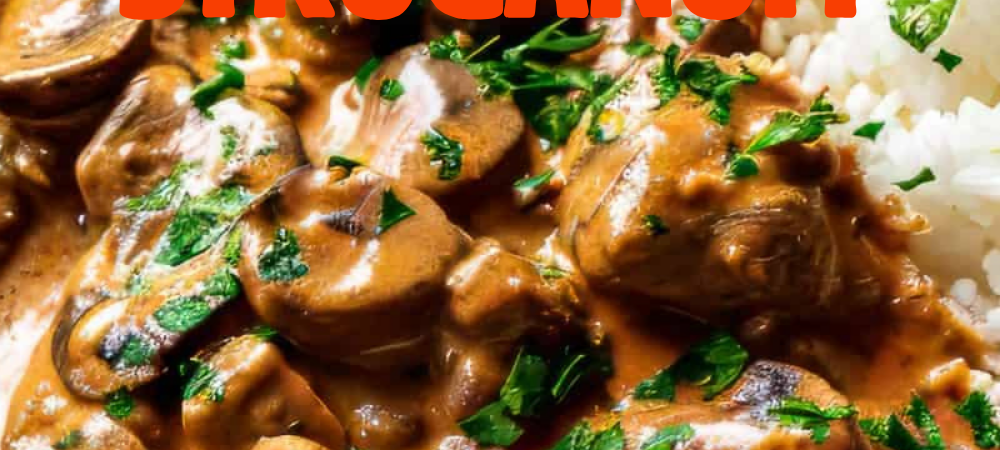
Real beef stroganoff, the kind made with chunks of beef braised until they practically fall apart, takes hours. That’s the version I grew up thinking was the only version — a Sunday project, not a Tuesday dinner. Then I started making this 30-minute take, and the first time I served it, someone at the table asked how long it had been simmering. Half an hour, tops. The beef goes from raw to a deep brown crust in minutes, and the sauce pulls all of its savory depth out of that same pan, using the same browned bits most recipes skip right past. This isn’t a shortcut version of stroganoff. It’s the same flavors, just earned faster, and once you see how the pieces fit together, you’ll wonder why anyone bothers with the slow version on a weeknight. It’s one of those 30-minute dinners I keep coming back to.
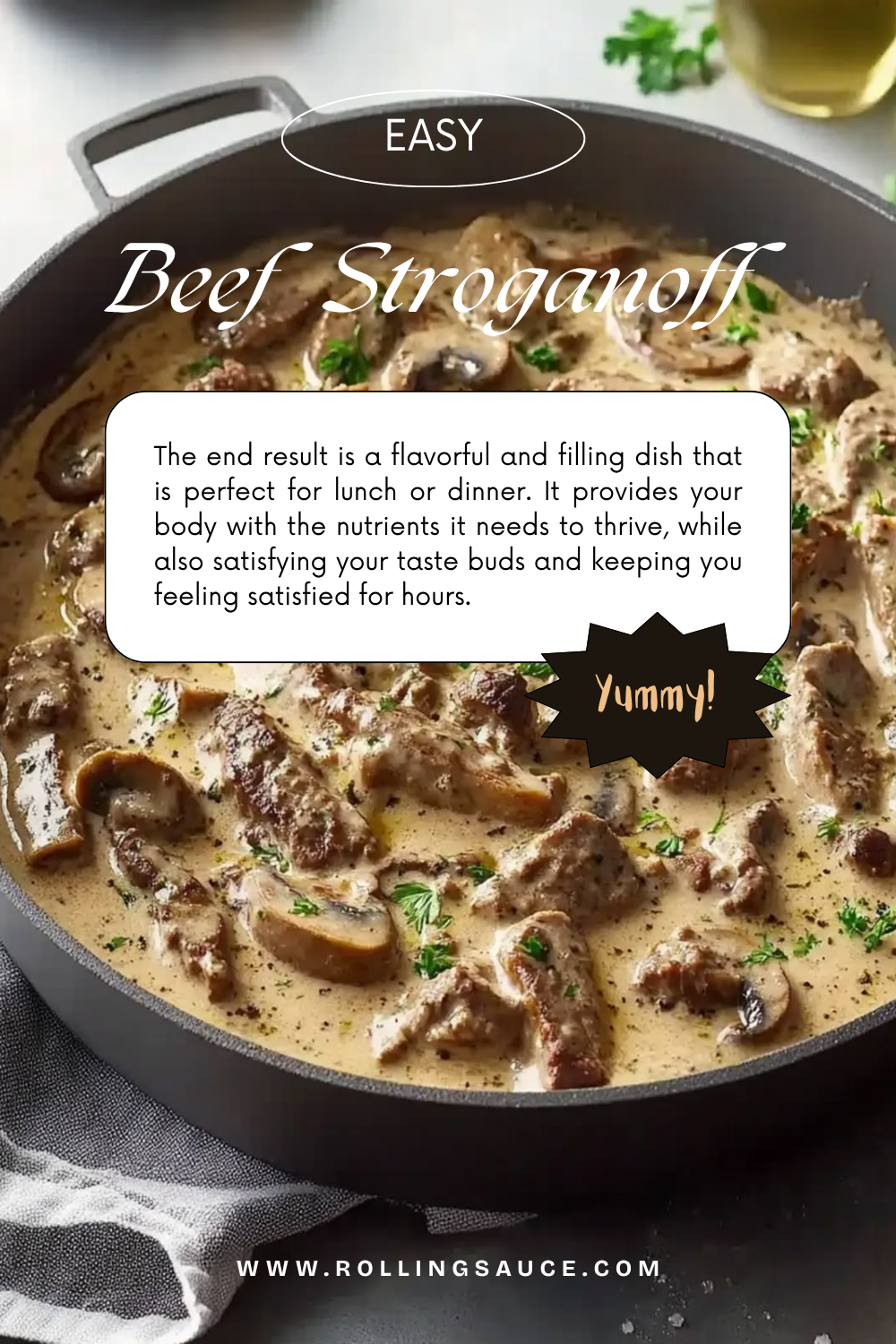
What Makes This Beef Stroganoff Taste Like It Simmered All Day
Stroganoff’s flavor comes from layers, and you can build every one of those layers in the time it takes a pot of noodles to cook.
It starts with the sear. When the beef hits a hot pan, the proteins and sugars on its surface brown and break down into hundreds of new flavor compounds — this is the Maillard reaction, the same chemistry behind a crusty steak or a loaf of bread. A long braise gets there slowly, through hours of gentle heat. A hard, fast sear gets you most of the way there in about four minutes, as long as the pan is hot and the beef has room to breathe.
Those browned bits stuck to the bottom of the pan — the fond — are where the second layer comes from. Once the beef and mushrooms come out, a splash of broth lifts every bit of that fond off the pan and carries it straight into the sauce. Skip this step and you’ve made a creamy mushroom sauce. Do it, and you’ve made stroganoff.
The third layer is what I think of as the seasoning shortcut: Worcestershire sauce and Dijon mustard. Both are already fermented and aged, so they bring tang, funk, and a little sweetness that would normally take hours of cooking to develop. They dissolve into the sauce in seconds.
There’s a fourth layer too, and it’s easy to miss because it happens quietly while you’re doing something else: the mushrooms. Mushrooms are mostly water, and when they hit a hot pan, that water has to cook off before anything else can happen. If you rush this — adding the next ingredient while the pan is still full of mushroom liquid — you end up with watery, bland mushrooms instead of the deeply savory ones stroganoff needs. Let the liquid evaporate completely first. Once the pan is dry again, the mushrooms start to brown the same way the beef did, and that’s where their flavor concentrates.
Last comes the sour cream, and this is the step that trips people up. Sour cream is a delicate mix of fat, protein, and water, and if it lands in a sauce that’s too hot, the proteins seize up and the sauce curdles into a grainy mess. The fix is tempering — stirring a spoonful of the hot sauce into the sour cream first, then folding that warmed mixture back in off the heat. It takes thirty seconds, and it’s the difference between a sauce that looks glossy and one that looks broken.
What You’ll Need
For the beef
- 1 pound sirloin steak, sliced thin against the grain
- Salt and black pepper
Sirloin is the sweet spot for a fast cook — tender enough to sear in minutes, without the price tag of filet. Slice it thin, against the grain, and pat it dry before it goes in the pan. A wet surface won’t brown.
For the mushrooms and aromatics
- 8 ounces cremini mushrooms, sliced
- 1 medium yellow onion, thinly sliced
- 3 garlic cloves, minced
- 3 tablespoons butter, divided
Cremini mushrooms bring more flavor than white button mushrooms for barely any extra cost, and they hold their shape better once the sauce hits them.
For the sauce
- 2 tablespoons all-purpose flour
- 1¾ cups beef broth
- 1 tablespoon Worcestershire sauce
- 1 tablespoon Dijon mustard
- ¾ cup sour cream, at room temperature
This is the part where I’d normally tell you a substitution is fine, and most of them are — except the sour cream. Greek yogurt works in a pinch, but full-fat sour cream is what gives the sauce its tang and body.
To serve
- 8 ounces wide egg noodles
- Fresh parsley, chopped
Exact amounts are in the recipe card below — this is just the shopping-list version.
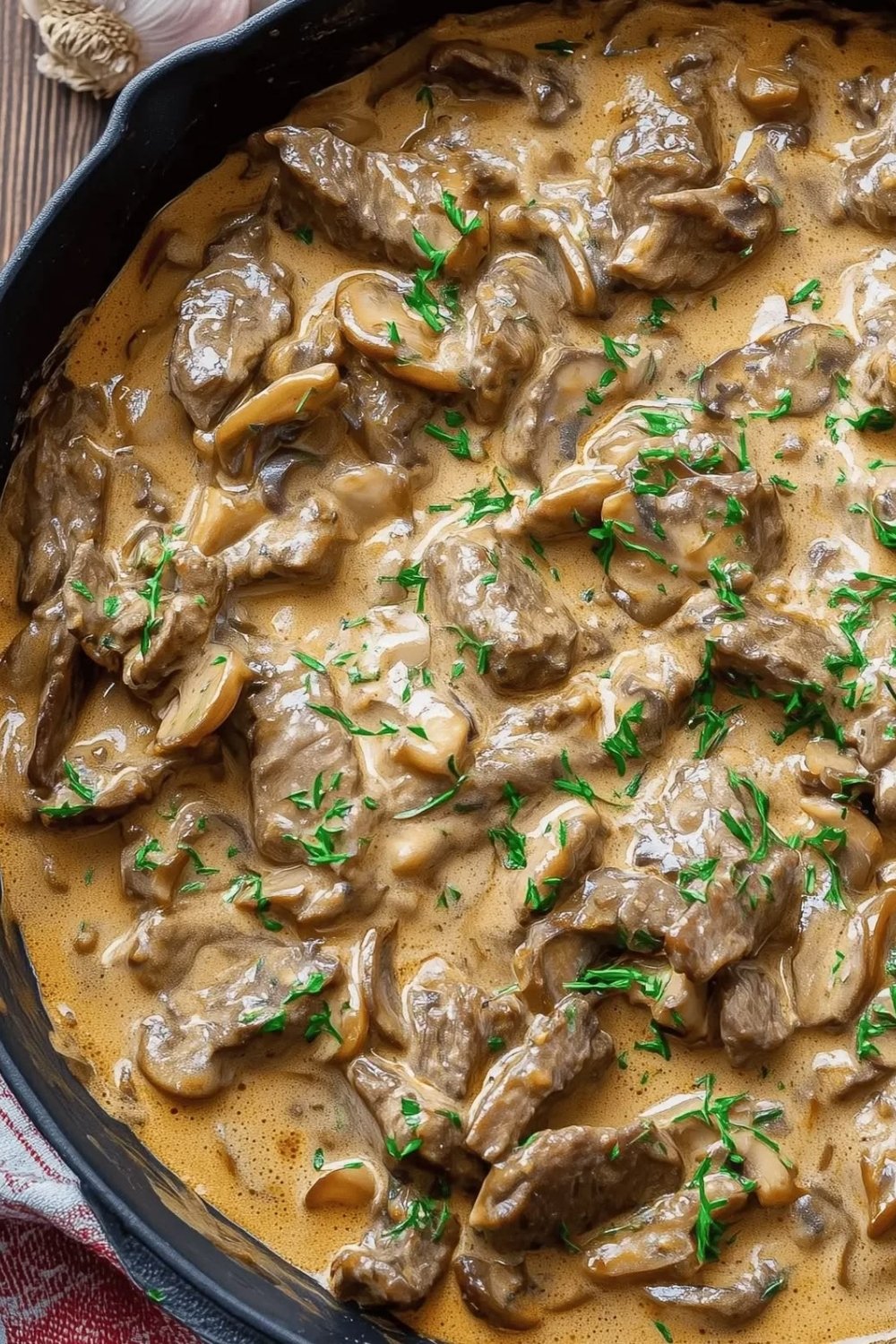

30-Minute Beef Stroganoff
Ingredients
Method
- Bring a large pot of salted water to a boil and cook the egg noodles according to package directions. Drain and set aside, reserving 1/2 cup pasta water.
- Pat the beef dry and season with salt and pepper. Melt 1 tablespoon butter in a large skillet over medium-high heat. Sear the beef in batches, about 1 1/2 minutes per side, until deeply browned. Transfer to a plate.
- Add 1 tablespoon butter to the skillet. Add the onion and cook 2-3 minutes until softened. Add the mushrooms and cook 5-6 minutes, until they release their liquid and it evaporates. Add the garlic and cook 30 seconds.
- Sprinkle the flour over the vegetables and stir for 1 minute. Slowly whisk in the beef broth, then add the Worcestershire sauce and Dijon mustard. Simmer 3-4 minutes until thickened, scraping up the browned bits from the pan.
- Reduce heat to low. Whisk a few tablespoons of the hot sauce into the sour cream to temper it, then stir the tempered sour cream into the skillet.
- Return the seared beef to the skillet and warm through for 1-2 minutes without boiling. Thin with reserved pasta water if needed.
- Serve over the egg noodles, topped with parsley.
Notes
- Storage: Refrigerate in an airtight container for up to 3 days.
- Make ahead: Make the sauce and beef up to 2 days ahead; store separately from the noodles and reheat gently on the stovetop with a splash of broth.
- Swap: Use boneless chicken thighs in place of beef, or substitute full-fat Greek yogurt for the sour cream.
How to Make Beef Stroganoff in 30 Minutes
Get the Noodles Going First
Put a pot of salted water on to boil before you do anything else. Egg noodles take about 7 to 8 minutes, and by the time they’re done, the rest of the dish should be too — there’s no reason to wait until the sauce is finished to start them. Cook them according to the package, drain, and set them aside. Save a splash of the starchy pasta water; it’s useful later if the sauce needs loosening.
Sear the Beef in Batches
Pat the sliced beef dry — moisture is the enemy of a good crust — and season it with salt and pepper. Melt a tablespoon of butter in a large skillet over medium-high heat until it’s shimmering, then add the beef in a single layer, working in batches if you need to, so the pieces aren’t touching. Let it sit for about ninety seconds before stirring; that’s the time it takes to actually develop color. Once both sides are deeply browned, move the beef to a plate.
This is the step that makes the biggest difference, and the one most people rush. If the pan looks crowded or starts to steam instead of sizzle, you’re cooling it down too fast — work in two batches instead of one, even if it feels like an extra step. It’s the one note in this recipe I’d ask you not to skip.
Soften the Onion, Then Brown the Mushrooms
Add another tablespoon of butter to the same pan — don’t wipe it out, those browned bits are doing important work. Add the onion and cook for 2 to 3 minutes until it softens. Add the mushrooms next. They’ll release a lot of water as they cook; let that water cook off completely before you move on, which usually takes 5 to 6 minutes. Once the pan is dry again, the mushrooms will start to brown around the edges, and that’s your cue to add the garlic and cook for another 30 seconds, until it’s fragrant.
Deglaze and Build the Sauce
Sprinkle the flour over the onion and mushroom mixture and stir for about a minute, just to cook off the raw flour taste. Pour in the beef broth slowly, stirring as you go to work out any lumps, then add the Worcestershire sauce and Dijon mustard. Bring everything to a simmer and let it bubble for 3 to 4 minutes, until it thickens enough to coat the back of a spoon. This is the fond-lifting moment — scrape the bottom of the pan as the liquid heats, and watch those browned bits dissolve straight into the sauce.
Temper the Sour Cream and Bring It Together
Turn the heat down to low. Spoon a few tablespoons of the hot sauce into the sour cream and stir until smooth, then add a few more spoonfuls and stir again — this brings the sour cream up to temperature gradually instead of shocking it. Once it’s warm, stir the tempered sour cream into the pan along with the seared beef. Cook gently for 1 to 2 minutes, just until the beef is warmed through; don’t let it boil, or the sauce can split. If it looks thicker than you’d like, loosen it with a splash of the reserved pasta water. Serve over the noodles, with parsley scattered over the top.
Tips for Getting It Right Every Time
- Slice the beef thin and against the grain — it cooks faster and stays tender. If it’s hard to slice thin, pop it in the freezer for 15 minutes first to firm it up.
- Don’t crowd the pan when searing. If the pieces are touching, they’ll steam instead of brown, and you’ll lose the crust that gives the sauce its depth.
- Pull the sour cream out of the fridge while you prep everything else, so it’s closer to room temperature by the time you need it.
- Taste before adding extra salt. Beef broth, Worcestershire, and Dijon all bring sodium, and it’s easy to over-season.
- If everyone isn’t eating right away, keep the noodles and sauce in separate containers. Noodles soak up liquid fast, and the dish can go from saucy to dry within minutes.
- For a quicker cleanup on a busy night, this comes together in the same window as my quick weeknight lasagna — good to know if you’re rotating one-pan dinners through the week.
What to Serve Beef Stroganoff Over
Egg noodles are the classic, but they’re not the only option, and this sauce is rich enough to carry a few different bases.
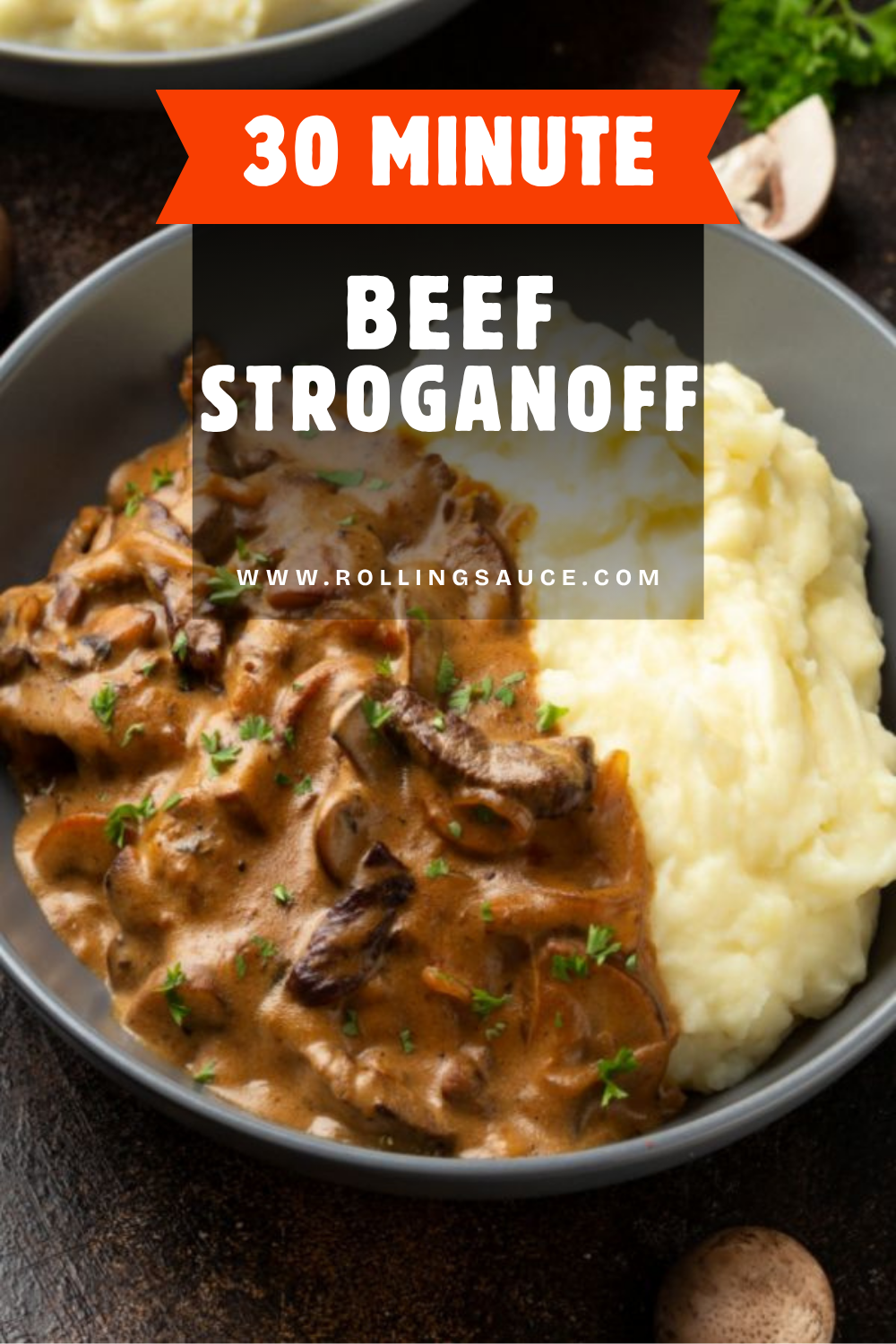
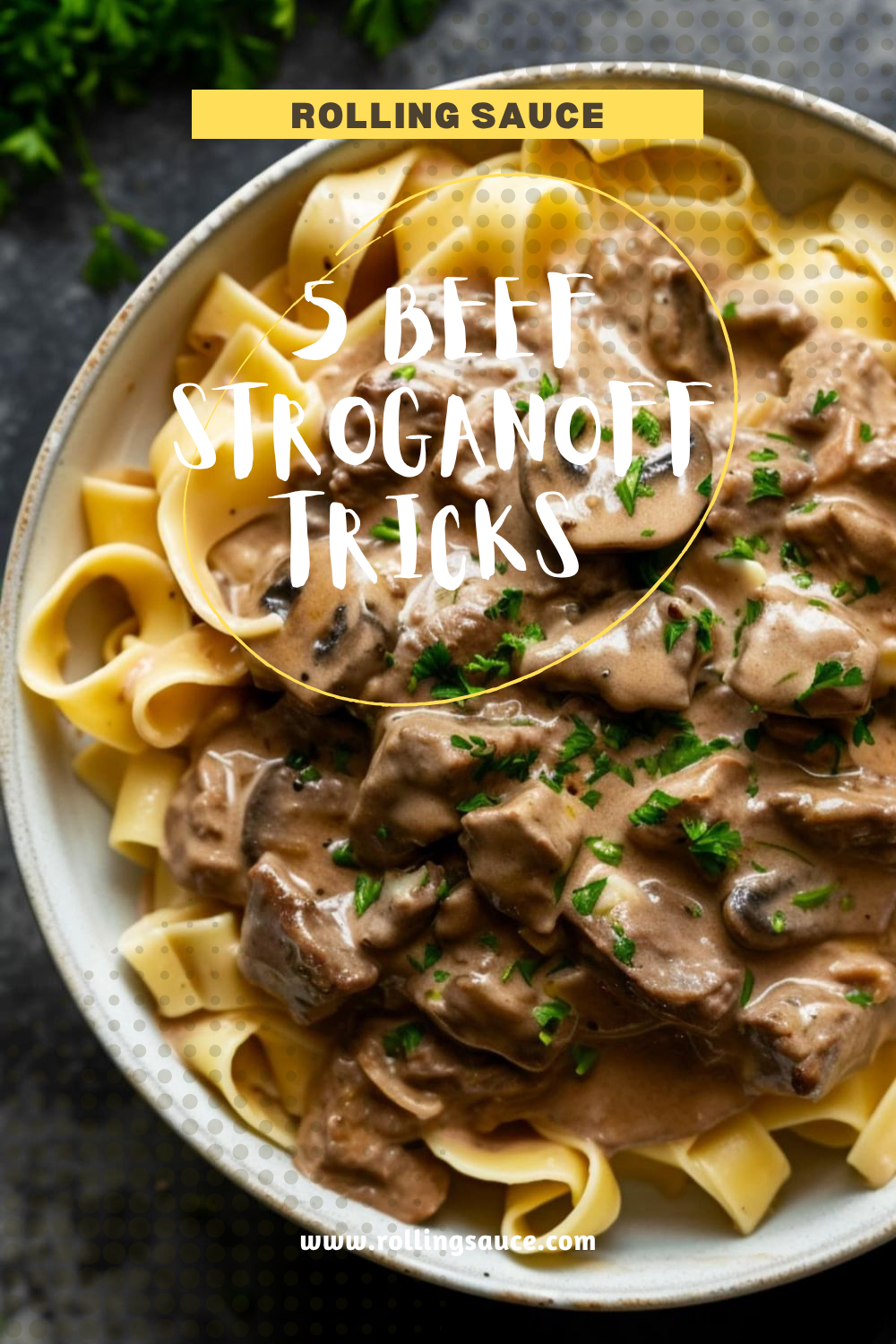
Mashed potatoes turn this into total comfort food — the sauce pools into every dip and ridge. If you want a foolproof batch, my fluffy, buttery mashed potatoes come together in about the same amount of time as the stroganoff itself.
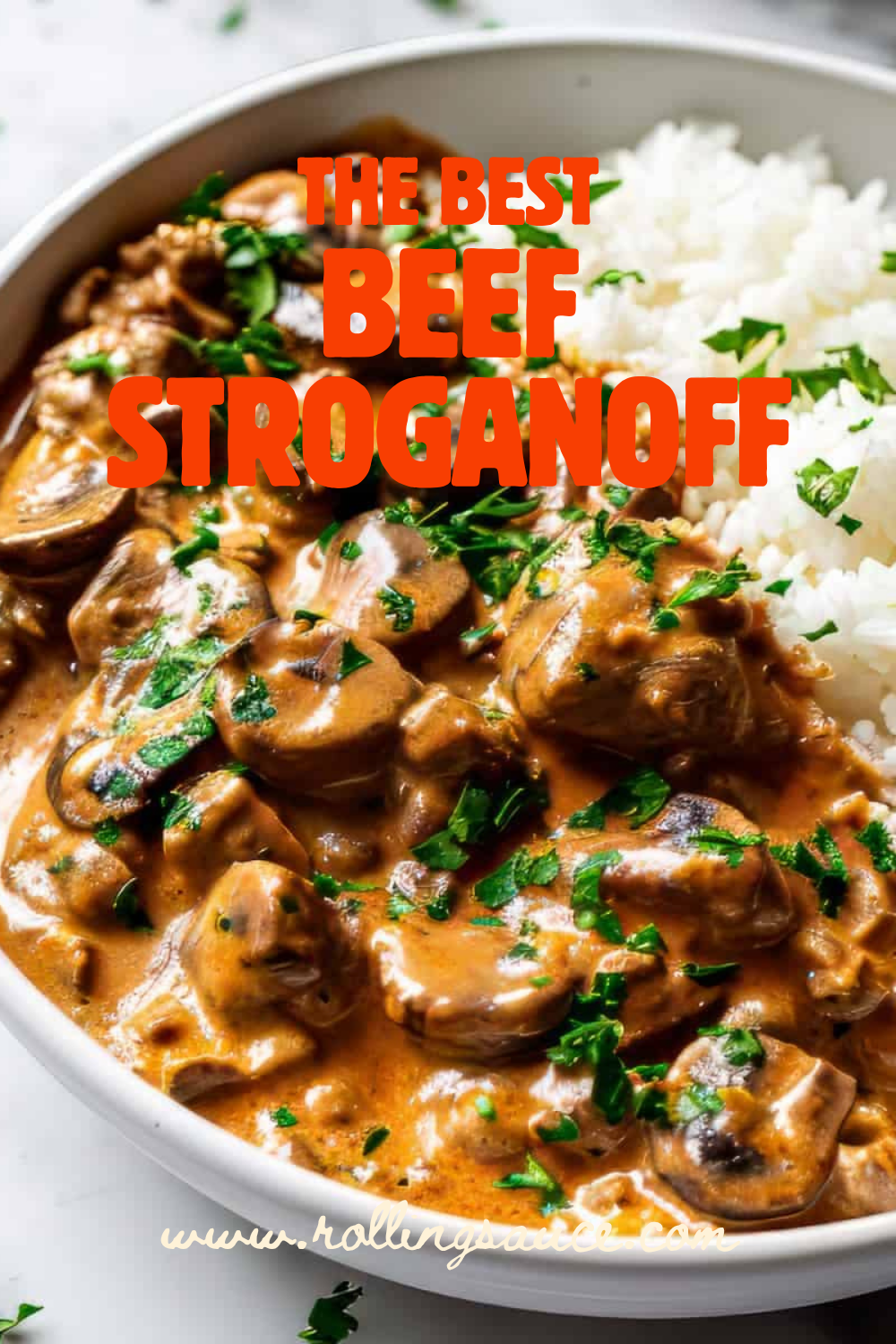
Rice keeps things lighter, and it’s a good option if you’re already making a pot of it for something else this week. White or brown both work; brown rice needs extra time, so start it before the beef goes in the pan.
Wide egg noodles, rice, mashed potatoes — whichever direction you go, the sauce is the star, and the rest of the plate is just there to carry it.
Frequently Asked Questions
Can I use a different cut of beef? Sirloin is my default because it’s tender and cooks fast, but flank steak, top round, or even leftover steak all work — just slice thin against the grain and don’t overcook it. Ground beef is an option too; brown it instead of searing strips, then continue with the recipe as written.
Why did my sauce curdle? Almost always a temperature problem. The sour cream went into a sauce that was too hot, or the finished dish was left to boil after the sour cream went in. Tempering and keeping the heat low at the end fixes both.
Can I make this ahead of time? Yes — the beef and sauce reheat well, but the noodles don’t hold up as long. Make the stroganoff base ahead, cook the noodles fresh when you’re ready to eat, and combine just before serving.
What can I use instead of sour cream? Full-fat Greek yogurt is the closest swap, with a slightly tangier finish. Heavy cream works too, though the sauce will be milder and less tangy.
Can I double this recipe? Yes, and it’s worth doing in a wide pan rather than a deep one — the extra surface area is what lets the beef and mushrooms brown instead of steam. If your skillet isn’t big enough to fit everything in a single layer, sear the beef in more batches rather than crowding it, even if that means a few extra minutes.
Make It Twice
This is one of those dinners that’s just as good the next day, sometimes better, which makes it worth doubling. If you’re cooking for one or two, make the full batch of sauce and beef anyway, then portion half before adding the noodles — that half freezes well for a few weeks and reheats gently on the stove with a splash of broth.
If you like beef recipes that taste like they took all day, my Mississippi pot roast works the same trick from the opposite direction — almost no effort up front, and the slow cooker does the rest. Between the two, you’ve got the fast version and the slow version of the same craving covered.