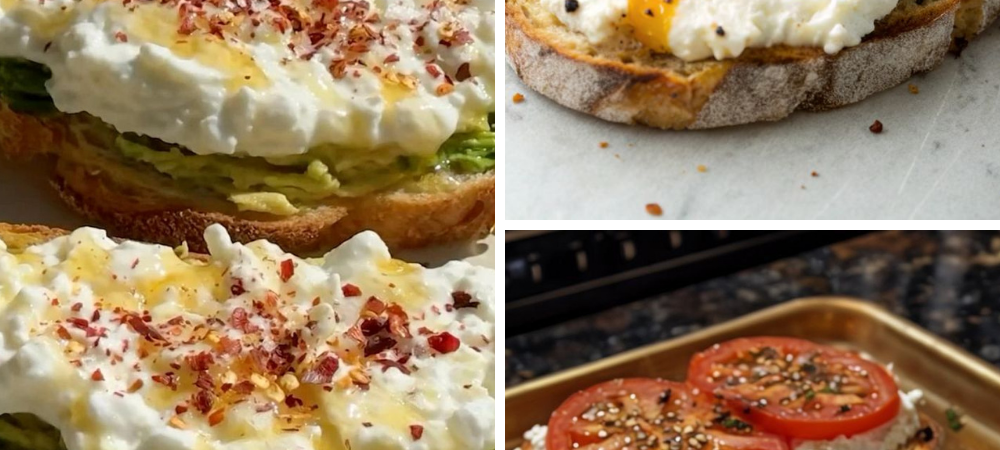
Cottage cheese has been quietly sitting in the back of fridges for decades, mostly passed over or written off as diet-food filler. Then the internet started actually cooking with it — blending it into pasta sauce, spreading it on toast, baking it into egg dishes that hold you until lunch — and it turns out it’s one of the most useful things in the dairy aisle. I was a late convert. For years I bought it, used it twice, and let the rest go bad. Then I started treating it the way good cooks treat ricotta: as a creamy, protein-rich base that disappears into whatever you’re making and makes it better. These three recipes are the ones I keep coming back to. Two take under ten minutes. One goes in the oven. All three taste like you put more thought into them than you actually did.
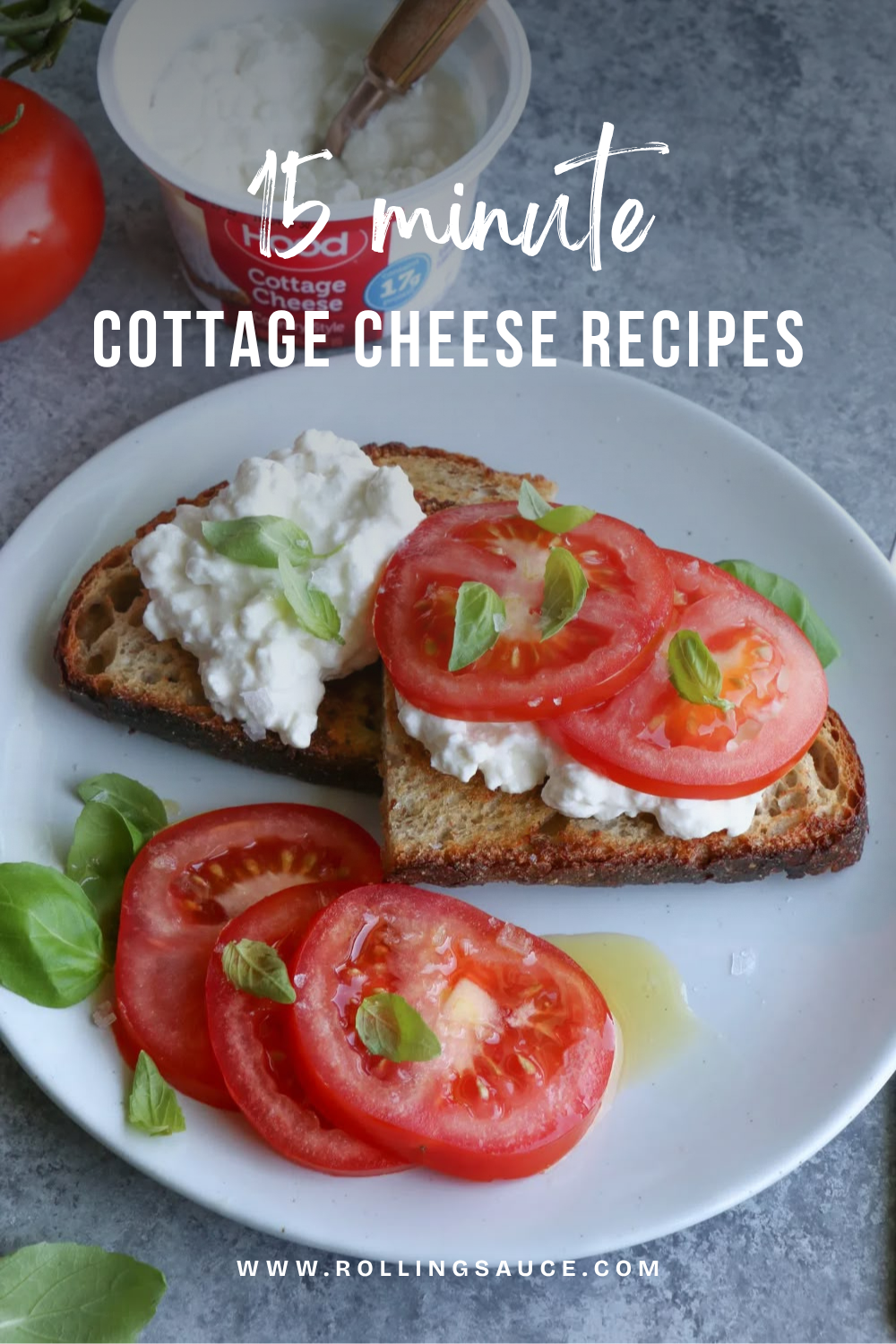
Why Cottage Cheese Is So Useful (And So Underrated)
The thing that makes cottage cheese flexible is what’s inside: a half-cup serving packs roughly 14 grams of protein, more than two eggs, with a flavor that’s creamy and mildly tangy rather than sharp or pronounced. It doesn’t fight other ingredients. It joins them. That neutral, dairy-forward character is why it can swing both sweet and savory without any modifications — just change the toppings and you’re in a completely different dish.
On the savory side, it works as a ricotta substitute, a sauce thickener, a creamy spread that won’t go soggy under toppings. On the sweet side, a spoonful of honey and a handful of berries are all it takes to turn it into something that tastes like a deconstructed cheesecake. The one hurdle is texture: if the curds bother you, blending cottage cheese smooth before using it solves the problem entirely and opens up a whole second set of uses, including baked dishes where the cottage cheese essentially disappears into the egg base.
The three recipes here put it to work in three different ways — raw as a topping, blended into a baked egg dish, and assembled into a five-minute breakfast bowl. None of them require anything unusual. Together, they cover the full range of what cottage cheese can do — and once you’ve tried all three, the container in your fridge will actually get used before it expires.
Recipe 1: Caprese Cottage Cheese Toast
Cottage cheese toast took off as a trend for a reason, and this savory version is the one I make most often. It’s caprese-inspired — tomatoes, basil, olive oil, balsamic — but built on a thick layer of cottage cheese instead of mozzarella, which brings protein and creaminess without weighing down every bite. The whole thing comes together in five minutes, and the layers of texture (crisp toast, cool creamy cheese, juicy tomato, fresh herb) do more work than the ingredient count suggests.
The bread matters here. Sourdough is my default — it’s sturdy enough to hold the toppings without immediately going soft, and the slight tang plays well against the mild dairy. But any thick-sliced bread that toasts to a real crunch will do the job. If you’ve been making avocado toast on rotation, this is the same five-minute window, same layering logic, just a different creamy base.
Ingredients (per serving): 1–2 thick slices sourdough bread, ½ cup full-fat small-curd cottage cheese, 4–5 slices Roma tomato or halved cherry tomatoes, 5–6 fresh basil leaves, 1 teaspoon olive oil, 1–2 teaspoons balsamic glaze, flaky salt and cracked black pepper.
How it comes together: Toast the sourdough until the crust is deep golden — the crunch contrast against the cottage cheese is the whole point, so don’t undershoot it. While it’s still hot, spread cottage cheese in a thick, even layer all the way to the edges. Lay the tomatoes across the top, pressing them in gently so they stay put. Scatter the basil leaves, drizzle the olive oil, then finish with the balsamic glaze and a generous pinch of flaky salt and cracked pepper. Eat it right away — the toast starts softening within a few minutes, and the window for the best version is short.
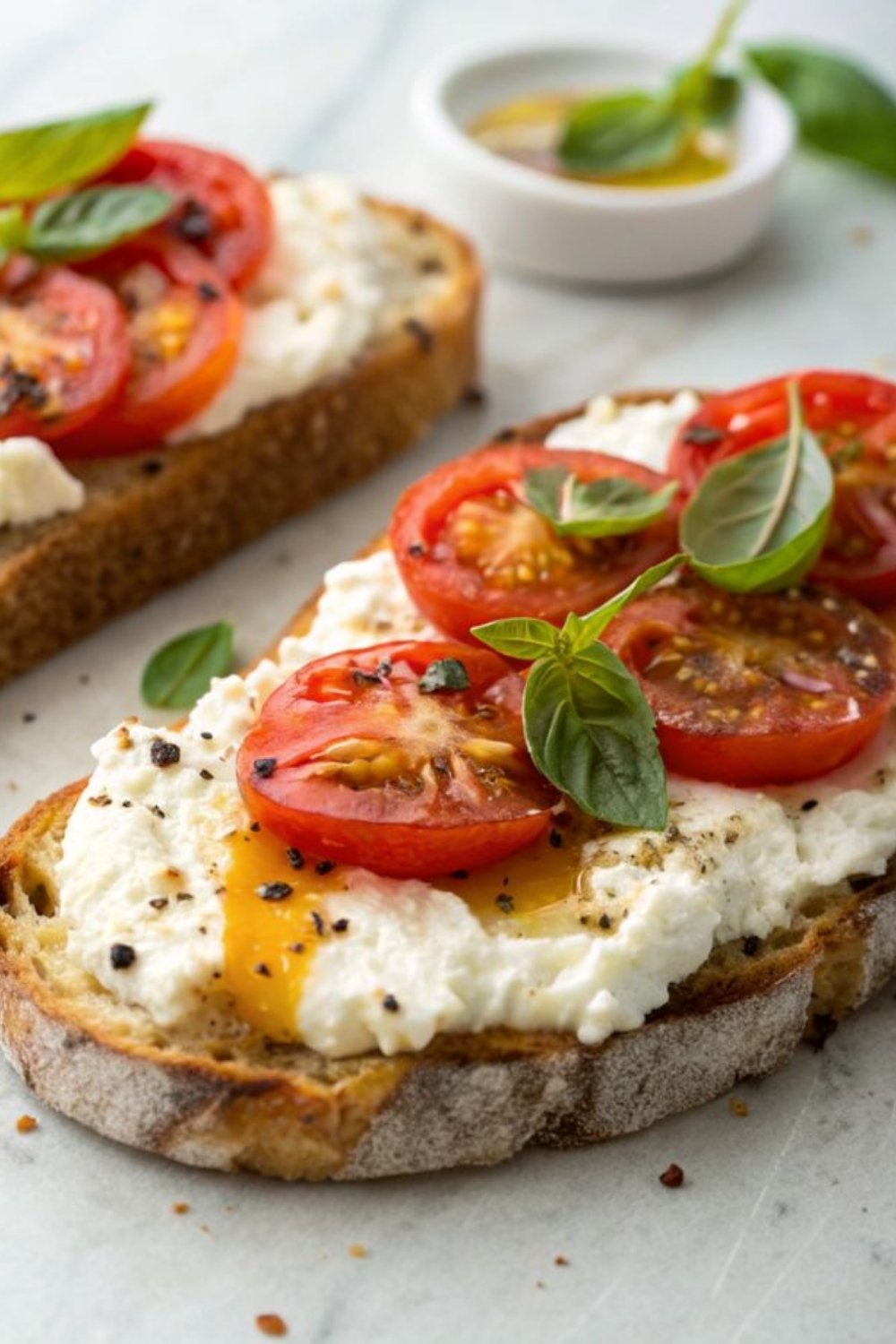

Caprese Cottage Cheese Toast
Ingredients
Method
- Toast the sourdough slices until deep golden and crisp.
- While still hot, spread cottage cheese in a thick, even layer across each slice, all the way to the edges.
- Lay the tomato slices over the cottage cheese.
- Scatter the basil leaves over the top.
- Drizzle with olive oil and balsamic glaze.
- Finish with flaky salt and cracked black pepper. Serve immediately.
Notes
- Storage: Best eaten fresh; does not hold well.
- Swap: Avocado can be layered under the cottage cheese for extra creaminess. Swap balsamic glaze for a drizzle of hot honey for a sweet-heat version.
- Use full-fat cottage cheese. Low-fat versions have more liquid and will wet the bread faster. Small-curd spreads more evenly than large-curd.
- Slice the tomatoes thin. Thick tomato slices release too much juice. Thin rounds or halved cherry tomatoes hold their shape and stay in place.
- Add flaky salt last, not table salt — the texture difference on top of the finished toast is noticeable and worth the extra step.
Recipe 2: Cottage Cheese Egg Bake
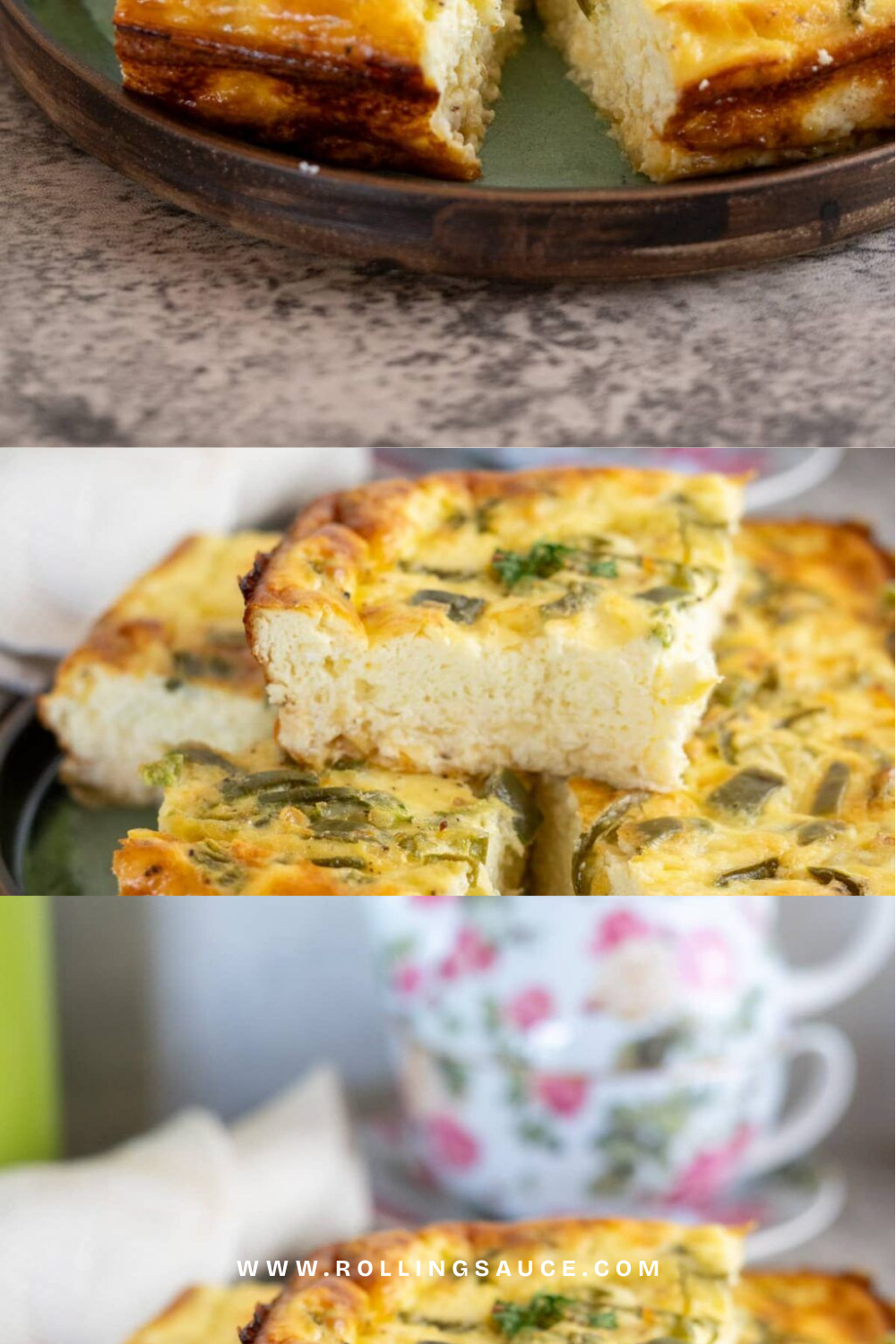
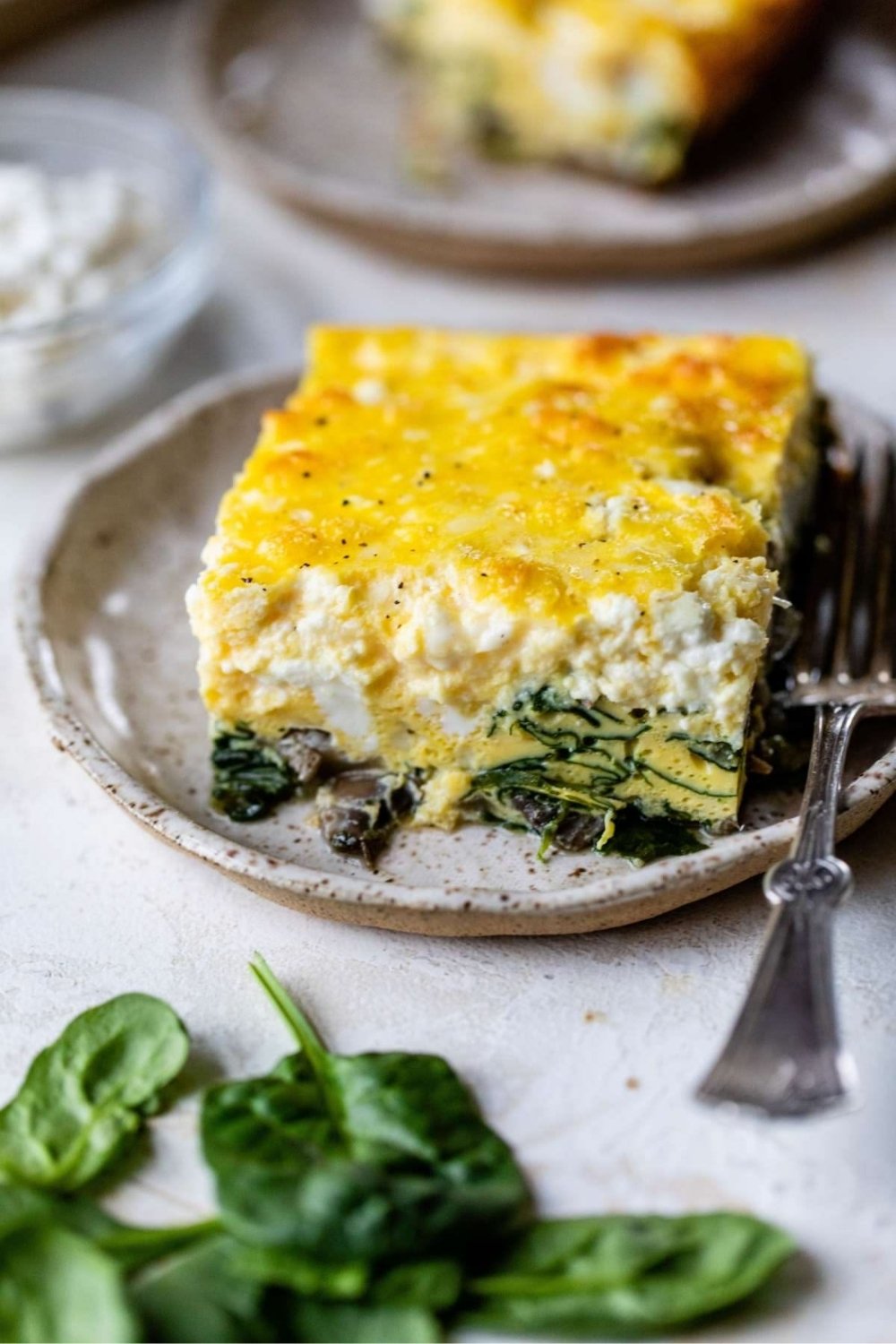
This is the recipe for Sunday meal prep. It looks like a crustless quiche, and that’s essentially what it is — except cottage cheese, blended smooth with the eggs, replaces the heavy cream you’d normally use. The result is lighter than a traditional quiche but just as creamy, with clean slices that hold their shape in the fridge and reheat in under a minute.
The technique is what makes it worth knowing: the eggs and cottage cheese go into the blender together first, so the curds disappear completely into a smooth, airy custard. Then the mix-ins get stirred in by hand before everything goes into a pie dish to bake. The version here uses cheddar, green onion, and bell pepper, but it’s genuinely flexible — cooked bacon, diced ham, baby spinach, mushrooms, or roasted vegetables all work within the same framework. It’s a good companion to my make-ahead breakfast casserole if you’re building out a batch-cooking weekend; they cover different formats but the same prep logic.
Ingredients: 6 large eggs, 1 cup full-fat cottage cheese, 1 cup shredded sharp cheddar cheese (divided), 3 green onions (thinly sliced), 1 small bell pepper (any color, diced), ½ tsp garlic powder, ½ tsp salt, ¼ tsp black pepper, cooking spray.
How it comes together: Preheat the oven to 375°F and grease a 9-inch pie dish. Add the eggs, cottage cheese, garlic powder, salt, and pepper to a blender and run it for about 30 seconds until completely smooth — the cottage cheese curds should be fully incorporated and invisible. Pour the blended mixture into a mixing bowl, then stir in ¾ cup of the cheddar, the green onions, and the bell pepper. Transfer everything into the prepared pie dish, scatter the remaining ¼ cup cheddar across the top, and slide it into the oven. Bake for 35 to 40 minutes, until the center is set (a thin knife should come out clean) and the top is golden. Let it rest for five minutes before slicing — it comes out of the oven puffed and will settle as it cools, which is normal. The slices are clean, hold their shape on the plate, and taste just as good cold out of the fridge the next morning.
Cottage Cheese Egg Bake
Ingredients
Method
- Preheat the oven to 375°F. Lightly grease a 9-inch pie dish with cooking spray.
- Add the eggs, cottage cheese, garlic powder, salt, and pepper to a blender. Blend for 30 seconds until completely smooth.
- Pour into a mixing bowl. Stir in 3/4 cup of the cheddar, the green onions, and the bell pepper.
- Pour the mixture into the prepared pie dish. Scatter the remaining 1/4 cup cheddar over the top.
- Bake for 35–40 minutes, until the center is set and the top is golden.
- Let rest for 5 minutes before slicing.
Notes
- Storage: Refrigerate in an airtight container for up to 4 days. Reheat slices in the microwave for 30–60 seconds.
- Make ahead: Can be assembled and refrigerated unbaked overnight; add 5 extra minutes to bake time from cold.
- Swap: Replace bell pepper with sautéed mushrooms, baby spinach (squeezed dry), or diced cooked ham. Pre-cook any vegetable add-ins before mixing in to prevent excess moisture.
- Blend first, stir after. Blending the eggs and cottage cheese together makes the cottage cheese invisible in the final bake. Whisking by hand works but leaves small curds in the finished dish.
- Pre-cook any vegetables you add. Raw vegetables release moisture as they bake, and too much liquid prevents the center from setting properly. A quick sauté or roast is enough.
- Don’t rush the rest. The egg bake firms up significantly in those five minutes outside the oven — cutting too early gives you soft edges that fall apart on the plate.
Recipe 3: Honey-Berry Cottage Cheese Bowl
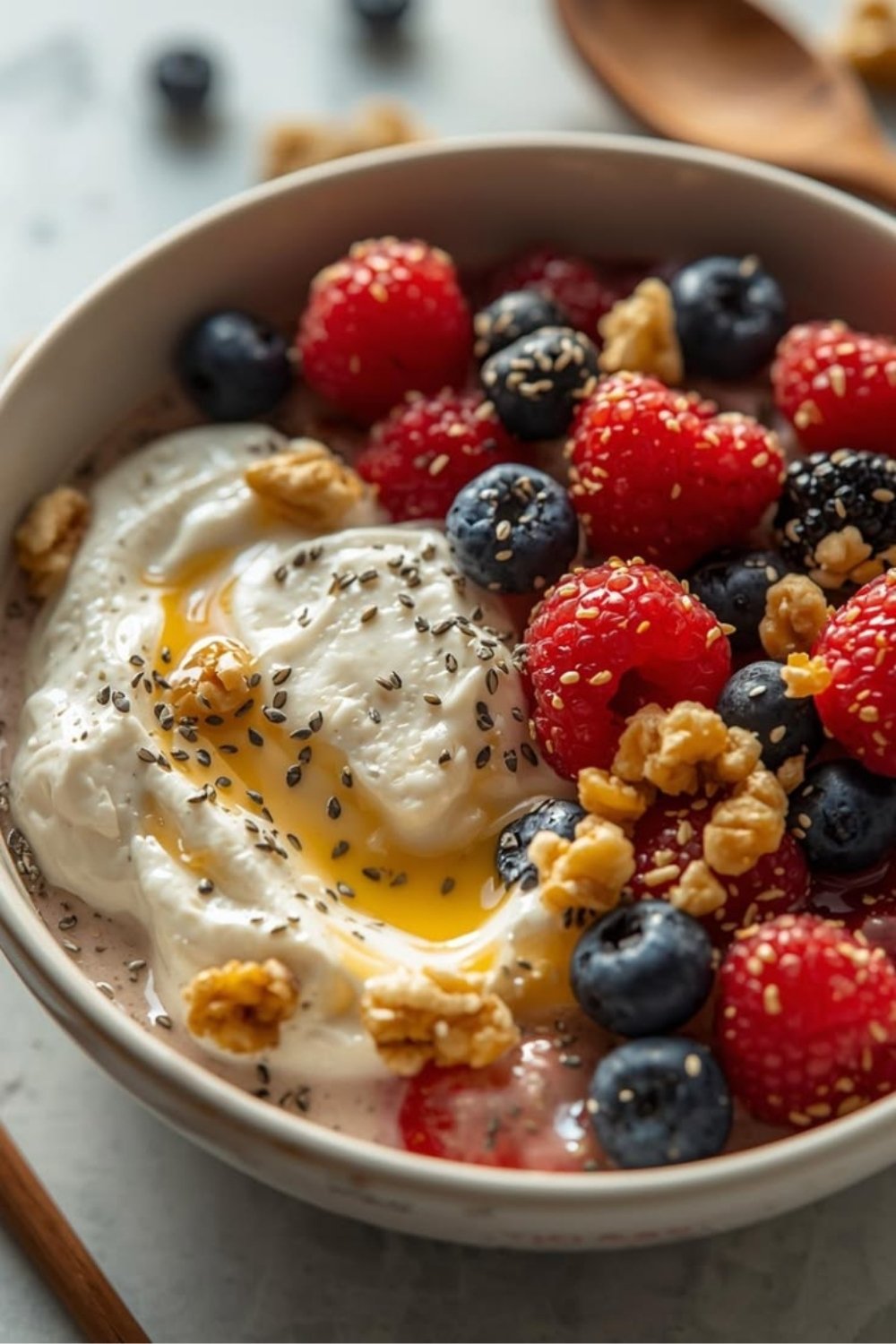
This one barely counts as a recipe, and that’s exactly the point. Five minutes, one bowl, nothing to cook. Cottage cheese, mixed berries, sliced almonds, a drizzle of honey, a pinch of cinnamon. It sounds like an afterthought, but the combination of creamy, jammy, crunchy, and sweet lands in a way that’s genuinely satisfying — more like a deconstructed cheesecake than a diet plate. Once you make it, the overnight oats you were planning to prep start feeling like a lot of work.
The cottage cheese base is what makes the bowl actually hold you until lunch. The protein content does more work here than the ingredients suggest; it’s not just fruit and granola dressed up as a meal. If you’re someone who doesn’t like the texture of the curds, blend the cottage cheese smooth before assembling — it takes on a texture closer to whipped cream cheese and works just as well. The same principle applies to assembling overnight oats: the base does the heavy lifting, and the toppings are just the finishing touch.
Ingredients (per serving): 1 cup full-fat small-curd cottage cheese, ½ cup mixed fresh berries (raspberries, blueberries, blackberries), 2 tablespoons sliced almonds, 1 tablespoon honey, ¼ teaspoon cinnamon. Optional: 1 tablespoon almond or peanut butter for extra staying power.
How it comes together: Spoon the cottage cheese into a bowl and smooth the top with the back of the spoon — this isn’t just for aesthetics; a flat surface holds the toppings without them rolling off. Scatter the berries across the surface, then add the almonds. Drizzle the honey slowly in a circle over everything, then dust cinnamon across the top. If you’re adding nut butter, add it last so it sits on top of the berries rather than sinking into the cottage cheese. Eat right away, or refrigerate for up to a day with the toppings on (add any crunchy elements in the morning to keep them from softening).

Honey-Berry Cottage Cheese Breakfast Bowl
Ingredients
Method
- Spoon the cottage cheese into a bowl and smooth the top with the back of the spoon.
- Scatter the mixed berries across the surface.
- Add the sliced almonds.
- Drizzle honey slowly in a circle over the toppings.
- Dust cinnamon over the finished bowl.
- Add nut butter on top if using. Eat immediately, or refrigerate for up to 1 day (add crunchy toppings fresh).
Notes
- Storage: Refrigerate the cottage cheese and berries together for up to 1 day. Add almonds and honey just before eating.
- Make ahead: Assemble berries and cottage cheese the night before; keep crunchy toppings separate.
- Swap: Swap sliced almonds for granola, chopped walnuts, or pumpkin seeds. Use maple syrup instead of honey. Blend the cottage cheese smooth first if you prefer a creamier texture without curds.
- Go full-fat. Full-fat cottage cheese is noticeably thicker and less watery, which means the bowl doesn’t turn runny as the berries release juice.
- Add honey last. It drizzles more evenly over cool toppings than over the bare cottage cheese, and it won’t just sink straight down.
- Keep granola separate for meal prep. Granola softens within an hour. If you’re assembling this the night before, layer the berries on the cottage cheese and leave the crunchy toppings in a small container to add in the morning.
Frequently Asked Questions
Can I freeze the egg bake? Yes — slice it, wrap each piece individually, and freeze for up to two months. Thaw in the fridge overnight and reheat in the microwave. The texture holds better than you’d expect for something with eggs and dairy.
What cottage cheese is best for these recipes? Full-fat, small-curd is the most versatile across all three. It’s thicker, creamier, and holds up better whether you’re spreading it on toast, blending it into eggs, or eating it as a bowl. Large-curd works for the bowl and toast, but blends less smoothly for the egg bake.
Can I make these ahead of time? The egg bake is the clear winner for meal prep — it keeps in the fridge for up to four days and reheats in 30-second increments. The bowl can be prepped the night before if you hold the crunchy toppings and honey until morning. The toast is a make-it-fresh situation; it doesn’t hold.
What if I don’t like the texture of cottage cheese? Blend it before using it in any of these recipes. A high-speed blender turns cottage cheese into something smooth and thick — close to ricotta or whipped cream cheese in feel — without changing the flavor. The egg bake already calls for blending; the bowl and toast both work with smooth cottage cheese too.
Can I use low-fat cottage cheese? You can, but the results are slightly different in all three recipes — waterier, less creamy, with a higher chance of soggy toast or a runny bowl. If that’s what you have, drain it through a fine mesh strainer for a few minutes before using.
More Breakfasts That Pull Their Weight
What makes these recipes worth having in the rotation is the same thing that makes cottage cheese worth keeping stocked: they work fast and they actually fill you up. Start with whichever one sounds most appealing and go from there — the bowl to see if you even like cottage cheese this way, the toast if you already love savory breakfasts, the egg bake if you’re a meal-prep person. If you’re building out a full grab-and-go breakfast week, my chia pudding works on the same five-minute, no-cook logic as the bowl — worth adding to the lineup. And if you try any of these three, I’d start with the toast. It’s the one that surprises people the most.