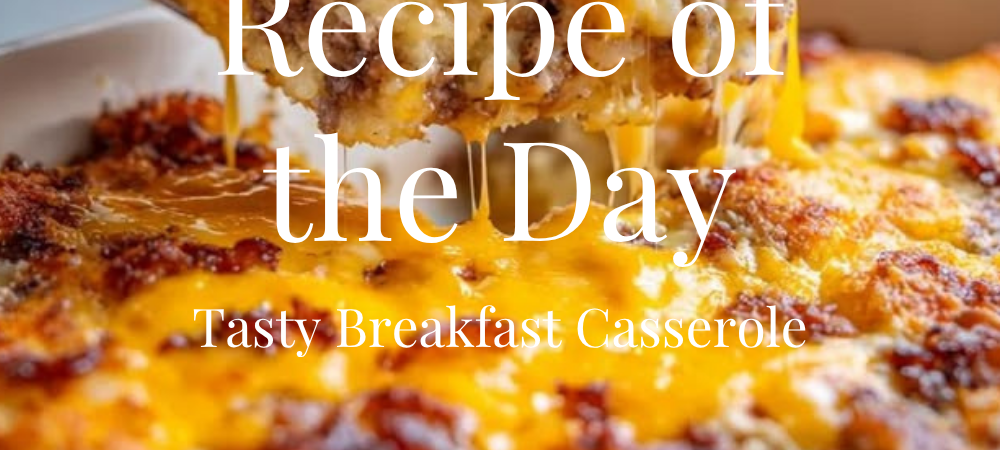
Here’s the thing about holiday mornings: everyone wants to be in pajamas with coffee, not standing at the stove juggling four pans. That’s exactly why this breakfast casserole exists. You build it the night before, slide it in the fridge, and the next morning it just goes straight into the oven while you do literally anything else. One 9×13 pan feeds a full table — sausage, bacon, hash browns, two melty cheeses, and a fluffy egg custard holding it all together.
Why This One Holds Up Overnight
A lot of breakfast bakes get soggy if you let them sit too long before baking. This one doesn’t, and here’s why: hash browns are already starchy and a little dry, so instead of turning to mush in the fridge overnight, they soak up just enough egg custard to go soft and creamy on the inside while the edges still crisp up in the oven. Bread-based casseroles (think strata or French toast bakes) need that overnight soak to work — this one doesn’t, which means you actually have flexibility. Bake it right away if you’re short on time, or let it sit overnight if you’re prepping for a crowd.
The other thing working in your favor is fat. Sausage and bacon both render plenty of it as they cook, and that fat is what browns the hash browns and keeps the whole dish from tasting like a dry egg bake. Don’t rush that step — a few extra minutes in the pan makes a real difference in the final texture.
There’s also the cheese factor. A double layer — half mixed in, half on top — means you get pockets of melted cheese running through the casserole as well as that golden, slightly crisped layer on top that everyone fights over. If you’ve ever had a breakfast casserole where all the cheese ended up in one gluey layer at the bottom, splitting it between two additions is the fix.
What Goes Into It
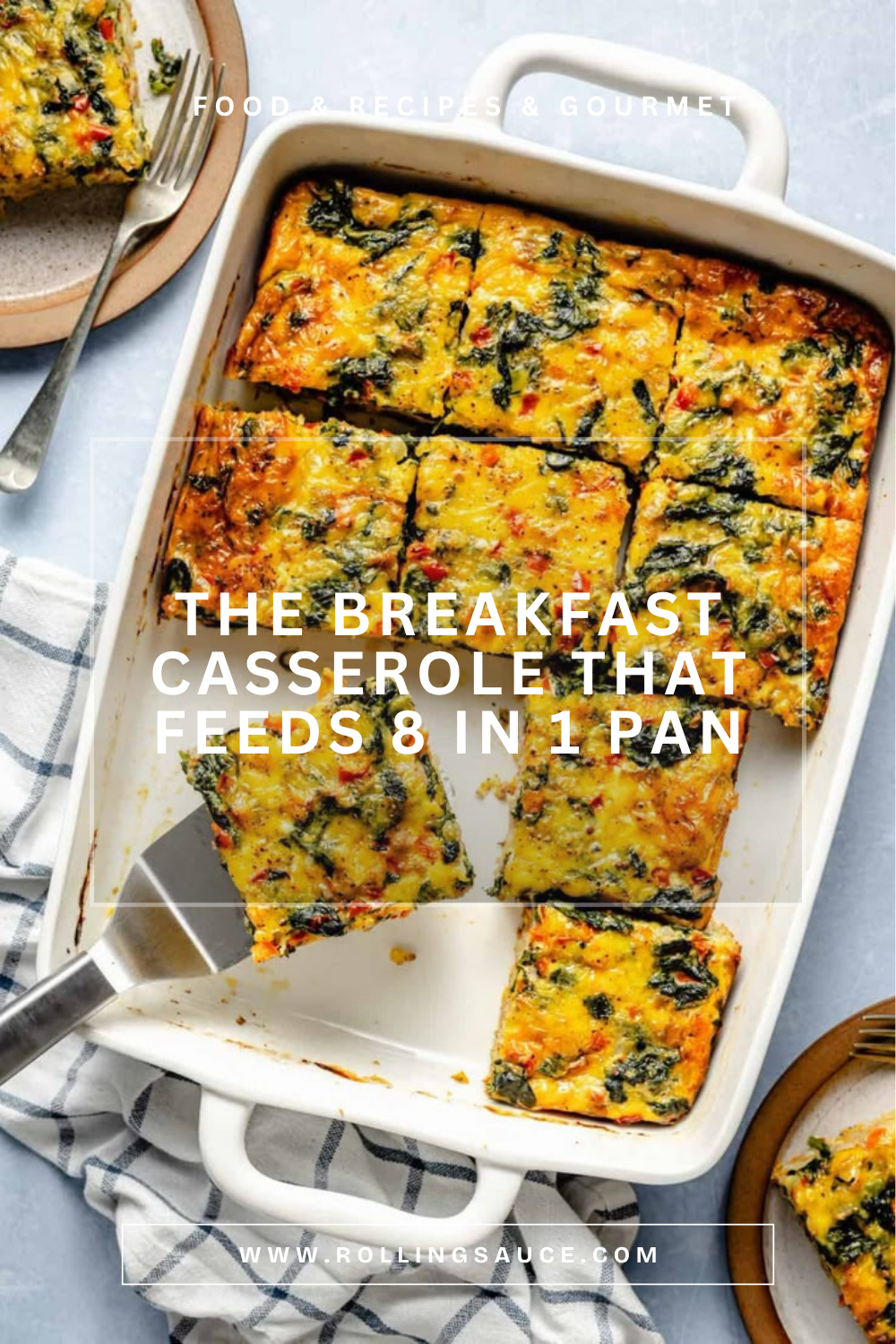
This is a “dump everything good into one pan” kind of recipe, and most of it is stuff you probably already buy on repeat:
- Frozen shredded hash browns — thawed, so they brown instead of steam
- Breakfast sausage and bacon — both, for two different textures and that smoky-meets-savory combo
- Bell pepper, spinach, and green onion — for color, a little freshness, and to balance out all that richness
- Cheddar and Monterey Jack — cheddar for sharpness, Jack for that stretchy melt
- Eggs and whole milk — the custard base that ties everything together
- Garlic powder, smoked paprika, salt, and pepper — simple seasoning that lets the sausage do most of the flavor work
A note on the hash browns: thaw them first, even if the bag says you don’t have to. Frozen hash browns hold a surprising amount of water, and if you skip the thaw (and the browning step that follows), you’ll end up with a casserole that’s watery in the middle no matter how long you bake it.
How It Comes Together
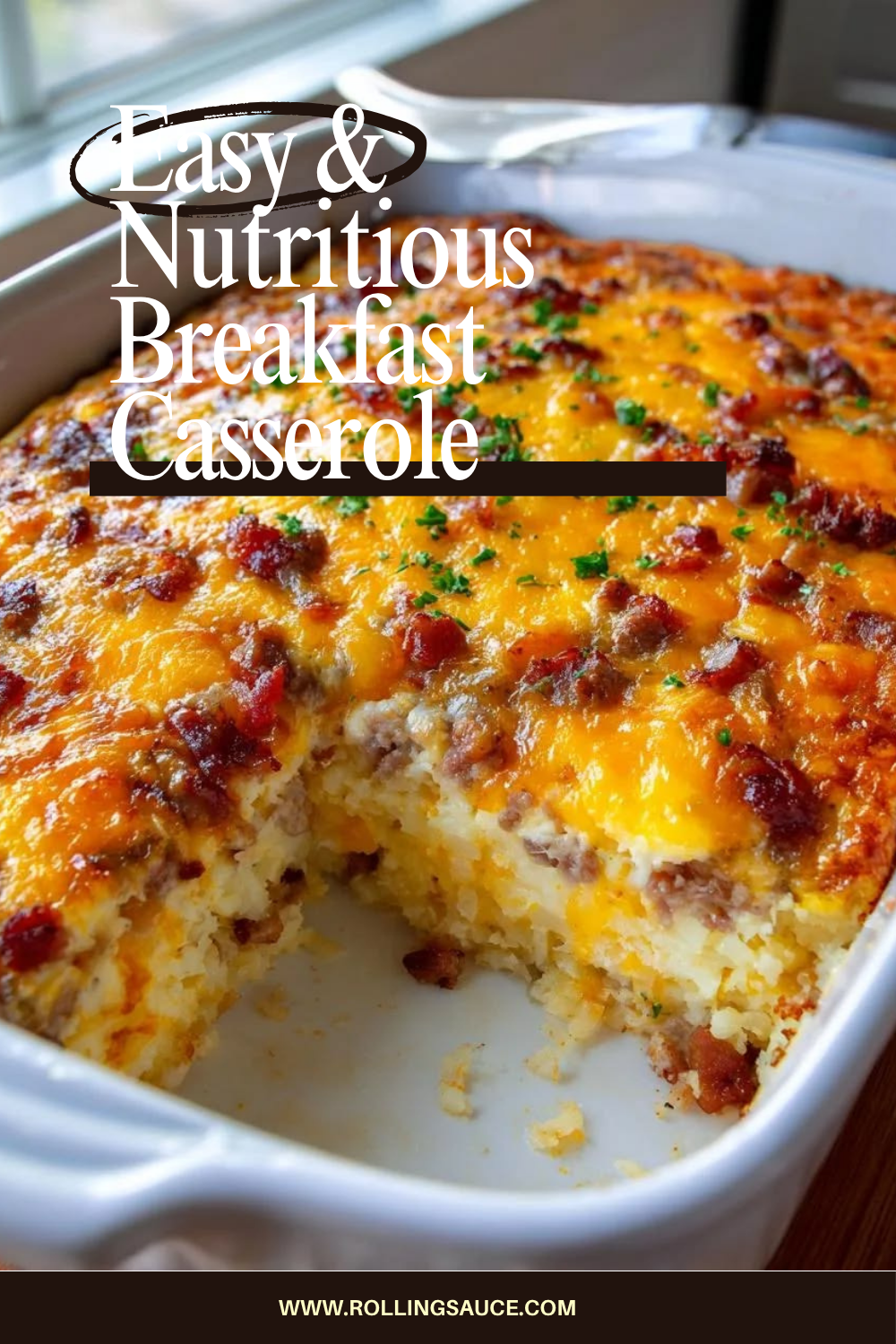
Start with the meat. Brown the sausage in a large skillet, breaking it up as it cooks, then set it aside. In the same pan — don’t wipe it out, that browned-bits flavor is doing you a favor — cook the bacon until crisp and chop it up once it’s cooled slightly. If there’s a lot of grease left in the pan, pour off all but a tablespoon or two.
That reserved fat is where the hash browns go next. Spread them in the pan and let them sit, mostly undisturbed, until the bottom turns golden and a little crispy before stirring. This usually takes longer than you’d think — give it the full time instead of rushing to the next step. Once they’re browned, toss in the diced bell pepper and spinach just long enough for the spinach to wilt and go bright green.
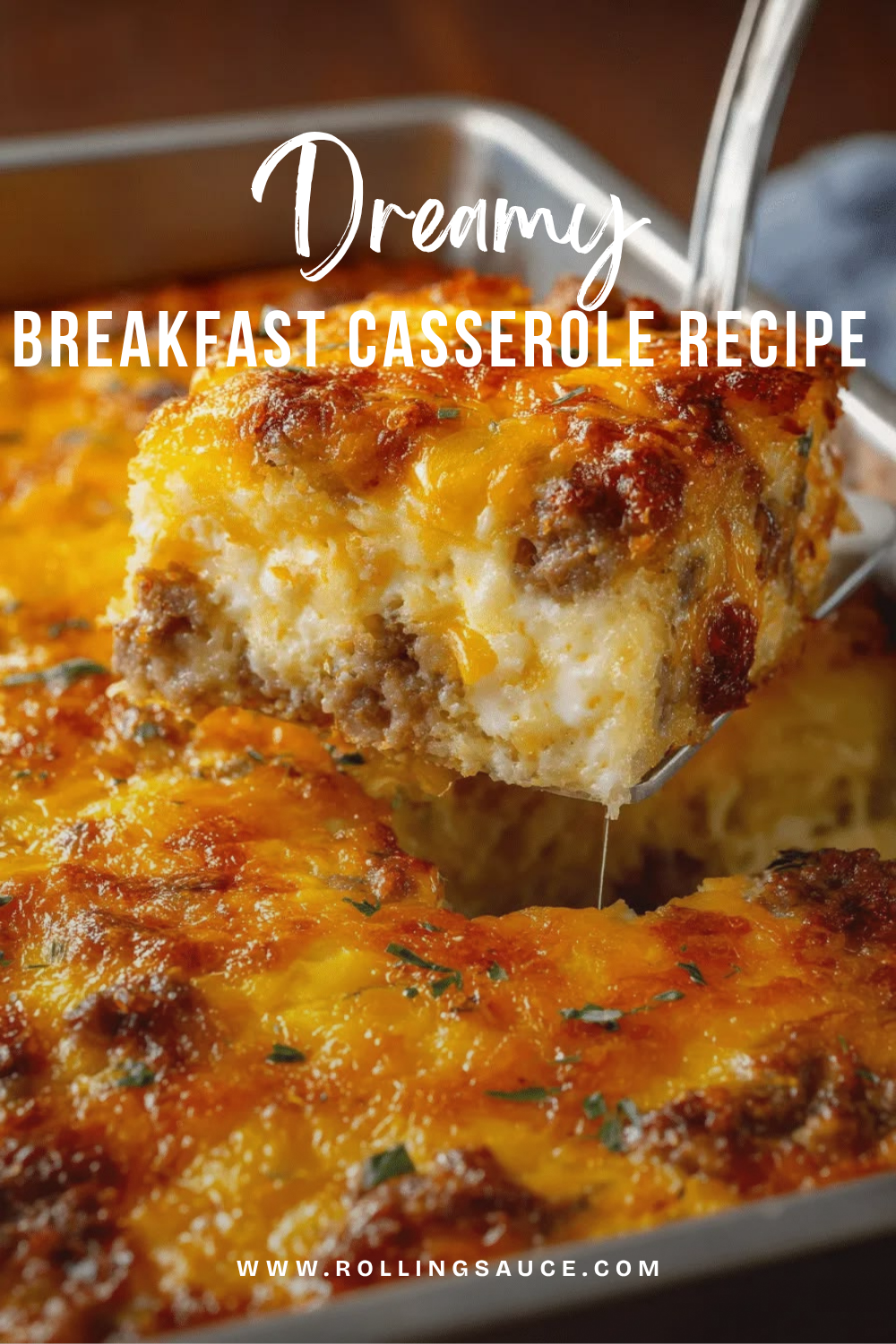
From here, it’s assembly. Spread the hash brown and veggie mixture into a greased 9×13 pan, scatter the sausage and bacon over the top, and add about half the cheese. In a separate bowl, whisk together the eggs, milk, garlic powder, smoked paprika, salt, and pepper until the mixture looks uniform and slightly foamy — that’s a sign you’ve worked enough air into it for a fluffier bake. Pour the egg mixture evenly over everything in the pan, give it a gentle shake or jiggle so it settles into all the gaps, then top with the remaining cheese and the sliced green onion.
Bake at 375°F, covered with foil for the first 20 minutes, then uncovered for another 25 to 30, until the center is set (a knife inserted in the middle should come out clean, not wet) and the top is golden and a little crisped at the edges. Let it rest for 10 minutes before cutting — this gives the eggs a chance to firm up so your slices hold their shape instead of collapsing.
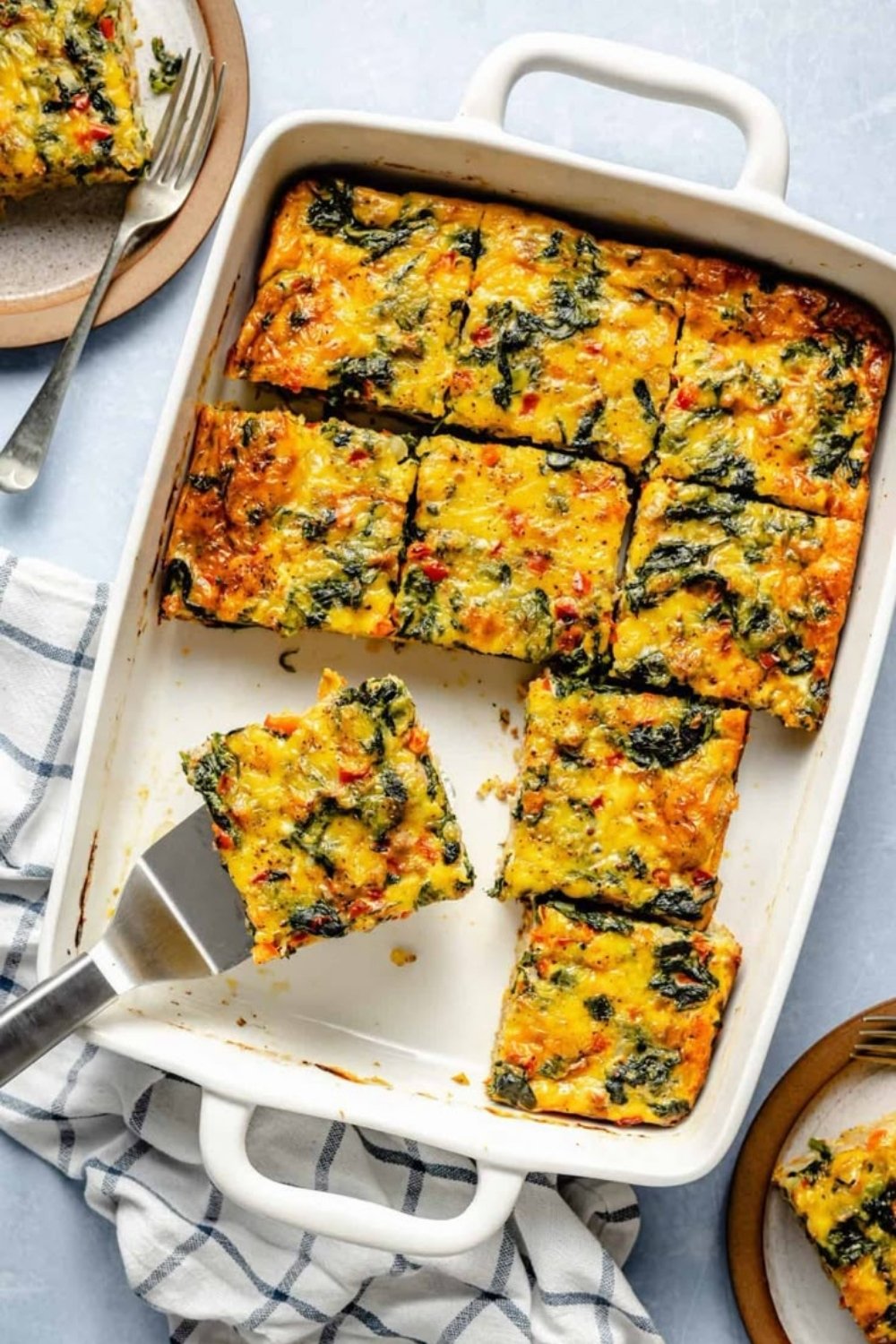

Easy Make-Ahead Breakfast Casserole
Ingredients
Method
- In a large skillet over medium-high heat, cook the breakfast sausage, breaking it up as it browns, until no longer pink. Remove with a slotted spoon and set aside.
- In the same skillet, cook the chopped bacon until crisp. Remove and set aside, leaving 1-2 tablespoons of fat in the pan (drain off any excess).
- Add the thawed hash browns to the skillet in an even layer. Let them cook undisturbed for 4-5 minutes until golden and crisp on the bottom, then stir and repeat until mostly browned.
- Add the diced onion and bell pepper to the skillet and cook for 3-4 minutes until softened. Stir in the spinach and cook just until wilted, about 1 minute.
- Grease a 9×13-inch baking dish. Spread the hash brown and vegetable mixture in an even layer on the bottom.
- Scatter the cooked sausage and bacon over the hash browns, then sprinkle with half the cheddar and half the Monterey Jack.
- In a large bowl, whisk together the eggs, milk, garlic powder, smoked paprika, salt, and pepper for about 1 minute until well combined and slightly foamy.
- Pour the egg mixture evenly over the casserole, gently shaking the dish so it settles into the layers.
- Top with the remaining cheddar, Monterey Jack, and sliced green onion.
- To bake right away: preheat oven to 375°F. Cover with foil and bake for 20 minutes, then uncovered for 25-30 minutes more, until the center is set and the top is golden.
- To make ahead: cover tightly and refrigerate for up to 24 hours before baking; add 5-10 extra minutes to the covered bake time since it’s starting cold.
- Let the casserole rest for 10 minutes before slicing and serving.
Notes
- Storage: Refrigerate leftovers in an airtight container for up to 4-5 days; reheat in the microwave or in a 350°F oven, loosely covered.
- Make ahead: Assemble through step 9, cover, and refrigerate up to 24 hours before baking.
- Swap: Use all sausage or all bacon (about 1 lb total), or skip the meat entirely and add 1 extra cup of vegetables for a vegetarian version.
Make It Ahead (the Whole Point, Honestly)
If you’re making this the night before, follow the recipe through the point where you top the casserole with cheese and green onion — just don’t bake it yet. Cover the dish tightly with plastic wrap or foil and refrigerate for up to 24 hours. In the morning, pull it straight from the fridge, remove the wrap, and bake as directed — you may need to add 5 to 10 extra minutes since it’s starting cold.
You can freeze it too, which is great if you’re cooking for the holidays and want one less thing on your list closer to the day. Assemble the casserole completely (unbaked), wrap it tightly in plastic wrap and then a layer of foil, and freeze for up to 3 months. Thaw it overnight in the refrigerator before baking — baking straight from frozen tends to leave the center underdone while the edges overcook. For general guidance on safely storing and reheating egg dishes, the USDA’s food safety guidelines are worth a quick look, especially if you’re prepping multiple dishes ahead of a big gathering.
Tips for a Better Casserole
- Brown the hash browns properly. This is the single biggest difference between a casserole that tastes flat and one that has actual texture contrast — crispy bottom, creamy middle.
- Don’t skip draining the bacon and sausage. Excess grease pooling at the bottom of the pan is the main reason baked egg dishes turn out greasy instead of rich.
- Whisk the eggs longer than feels necessary. A solid minute of whisking incorporates air and breaks down the egg whites fully, which gives you a fluffier, more even custard once baked.
- Let it rest before cutting. I know it’s tempting to dig in the second it comes out of the oven, but those 10 minutes let the structure set so your slices come out clean instead of falling apart.
- Check for doneness in the center, not the edges. The edges will always look done first since they’re closest to the heat — the middle is the real test.
Easy Swaps and Variations
This recipe is forgiving, which is part of why it’s a good one to keep in your back pocket. If you’d rather skip one of the meats, you can use all sausage or all bacon — just stick to roughly a pound total so the ratio of meat to egg and hash browns stays balanced. Turkey sausage works fine if that’s what you have on hand; it’ll just render less fat, so add a small drizzle of oil when browning the hash browns.
For a vegetarian version, leave out the meat entirely and add an extra cup of vegetables — mushrooms, zucchini, or even diced sweet potato all work well in the hash brown layer. The eggs and cheese provide plenty of substance on their own.
Cheese-wise, sharp cheddar and Monterey Jack are a solid baseline, but pepper jack adds a nice kick if you want some heat, and a sprinkle of feta on top before baking adds a tangy, salty edge that plays really well with the spinach. Cheese-wise, sharp cheddar and Monterey Jack are a solid baseline, but pepper jack adds a nice kick if you want some heat, and a sprinkle of feta on top before baking adds a tangy, salty edge that plays really well with the spinach. Mozzarella, on the other hand, melts beautifully but doesn’t bring much flavor on its own, so I’d treat it as a “stretch” addition rather than a full swap for the cheddar.
You can also play with the vegetables based on what’s in season or what needs using up. Diced tomatoes add brightness but bring extra moisture, so drain them well or sauté off some of the liquid first. Mushrooms are a great addition if you’re going meat-light — sauté them separately until they’ve released most of their water, then add them in with the peppers. And if spinach isn’t your thing, kale works in its place; just chop it finely since it’s tougher and needs the slightly longer cook time in the pan to soften.
If you’re already firing up the oven for a holiday spread, this pairs nicely alongside something like a sweet potato casserole — both can sit in the fridge ready to go and bake around the same temperature, which makes oven timing a lot less stressful.

FAQ
Can I use fresh potatoes instead of frozen hash browns? Yes, but they need a head start. Shred or dice the potatoes and either parboil them for about 10 minutes or pan-fry them until they’re mostly cooked through before adding them to the casserole. Raw potatoes won’t fully cook in the time the casserole bakes, especially if it’s going in cold from the fridge.
How long do leftovers keep? Stored in an airtight container in the refrigerator, leftovers are good for 4 to 5 days. Reheat individual portions in the microwave, or rewarm a larger amount in a 350°F oven, loosely covered with foil, until heated through.
Can I make this in a smaller dish? You can use an 8×8 or 9×9 pan for a smaller batch — just halve the ingredients. Keep in mind a smaller, deeper dish may need a few extra minutes of bake time since the casserole will be thicker.
Why is my casserole watery in the middle even after baking longer? This almost always comes down to the hash browns. If they weren’t thawed and browned before assembly, they release water as they bake, and that water has nowhere to go but into the eggs. Browning them first solves this almost every time.
Can I bake it directly from frozen? It’s better not to. Going straight from freezer to oven usually means the edges overcook and dry out before the center even reaches a safe temperature, since a frozen 9×13 dish takes a long time to heat through evenly. Thawing overnight in the refrigerator first gives you a much more even bake, and you’ll still save time compared to assembling everything fresh that morning.
However you serve this one, it’s built to take the pressure off — assemble it whenever it’s convenient, bake it when you’re ready, and let it be the dish that’s already handled while everything else on the holiday table is still in progress. If you want something to round out the spread, blueberry muffins or a loaf of banana bread cover the sweeter side of the table without adding much extra work, and if you’re feeding a crowd that wants both savory and sweet, French toast bakes on a similar timeline and can go in right after this one comes out.