Mashed potatoes are one of the most deceptively simple dishes in the kitchen. The ingredient list is short — potatoes, butter, something creamy, salt — and the technique sounds straightforward. And yet, more often than it should, mashed potatoes come out gluey, dense, waterlogged, or bland in a way that doesn’t show up until they’re already on the table.
Every one of those outcomes is preventable, and each has a specific cause. Gluey potatoes mean the starch was overworked. Dense potatoes mean the wrong variety was used or the moisture wasn’t drained. Bland potatoes mean the cooking water wasn’t salted and the butter ratio was too cautious. Waterlogged potatoes mean the chunks sat in water too long after boiling.
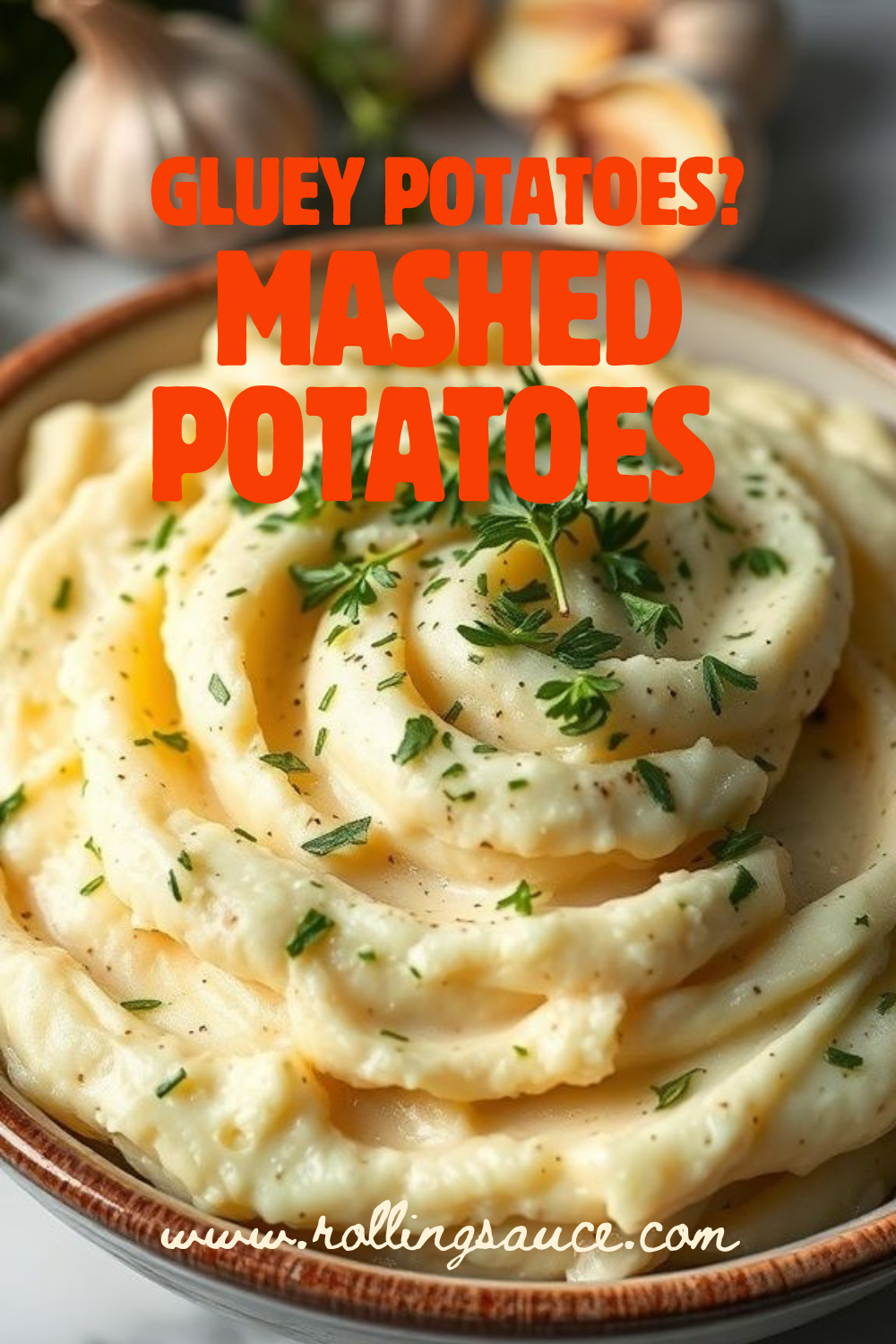
This recipe fixes all of it. The right potato, cooked through and drained properly, riced or hand-mashed before the starch gets overworked, finished with warm butter and cream in the right sequence. The result is the kind of fluffy, buttery mashed potatoes that hold their shape on a spoon without being stiff and melt into richness on the plate.
Here’s how all of it works.
The Potato That Makes the Difference
The two main contenders are Russet and Yukon Gold, and choosing between them depends on the texture you want.
Russet potatoes are the classic choice for fluffy mashed potatoes. They’re high in starch and low in moisture, which means they mash up into light, airy, separate particles rather than a dense mass. A Russet mash has a more traditional fluffy texture — the kind where the potato holds some structure. The trade-off is that Russets need to be watched carefully during cooking; they can become waterlogged if boiled too aggressively or left in the water after draining.
Yukon Gold potatoes are naturally buttery-tasting, lower in starch, and slightly waxier than Russets. They produce a creamier, denser mash with a pale golden color. Some people prefer this style for its richness; others find it lacks the lightness they want. Yukon Golds are more forgiving to cook and less prone to going gluey.
Red potatoes and fingerlings are too waxy and low in starch for a smooth mash — they produce a sticky, dense result that doesn’t have the right texture.
For this recipe, I use Russet potatoes when I want something classic and fluffy. Either variety can be used and both will produce a good result — just expect different textures at the end.
The Five Variables That Control Texture
Mashed potato texture comes down to five decisions:
1. The cooking liquid. Always start in cold salted water. Cold water means the potatoes heat evenly from the outside in. Salted water seasons the potato all the way through — not just the surface.
2. How long you cook them. The potatoes need to be completely, unambiguously tender. A fork should slide through with zero resistance and the potato should nearly fall apart on its own. Undercooked potatoes mash into hard lumps. Overcooked potatoes that absorbed too much water produce a watery mash.
3. How you drain and dry them. After boiling, drain thoroughly and return the potatoes to the hot, empty pot for 1–2 minutes over low heat, shaking gently. This drives off surface moisture before mashing and makes a meaningful difference in the final texture.
4. What tool you use. A potato ricer or handheld masher. Never an electric mixer, blender, or food processor. These options overwork the starch and produce the gluey, elastic texture that ruins the dish.
5. The liquid temperature. Warm butter and warm cream or milk. Cold dairy added to hot potatoes causes the fat to seize and the starch to tighten, which produces a grainy, stiff result instead of a smooth one.
Why Mashed Potatoes Go Gluey — and How to Avoid It
Gluey mashed potatoes are one of the most common kitchen failures, and the cause is almost always one of two things.
Overworking the starch. When cooked potato cells are broken and their starch is agitated beyond a certain point, the starch molecules link together and form a paste-like network — the same property that makes potato starch a useful thickener. An electric mixer or food processor does exactly this. As Serious Eats explains in their food science writing on potato starches, the more you agitate cooked potato, the more the starch granules rupture and release amylose, turning the mash into something that resembles wallpaper paste more than a side dish. The fix: use a ricer or masher, fold rather than beat, and stop as soon as the potatoes are smooth.
Too much water in the potato. If the potatoes are boiled in too-vigorous water, or if they’re left sitting in the cooking water after draining, the cells absorb more water than they can hold. The excess moisture has to go somewhere, and it makes the mash thin and paste-like. The fix: simmer gently, not at a rolling boil, and dry the potatoes in the hot pot immediately after draining.
Both problems have the same solution: handle the potatoes gently, dry them before mashing, and fold in the butter and cream rather than beating it in.
What You’ll Need
Here’s everything for 6–8 servings.
For the potatoes:
- 3 pounds Russet potatoes, peeled and cut into 2-inch chunks
- 2 tablespoons kosher salt, for the cooking water
For the mash:
- 6 tablespoons unsalted butter, cut into pieces and brought to room temperature
- ½ to ¾ cup heavy cream or whole milk, warmed
- ¼ cup sour cream or crème fraîche
- 1 teaspoon kosher salt, plus more to taste
- ½ teaspoon white or black pepper
Optional garnish:
- Additional pat of butter, melted
- Chopped chives or flat-leaf parsley
A potato ricer is genuinely worth having for this recipe. It produces a more uniform, lump-free texture than a handheld masher and makes the process take about 30 seconds. A masher works well too — it just requires more attention to avoid lumps. A ricer is inexpensive and you’ll use it every time.

Fluffy, Buttery Mashed Potatoes
Ingredients
Method
- Place potato chunks in a large pot. Cover with cold water by 1 inch. Add 2 tablespoons kosher salt. Bring to a boil over high heat, then reduce to a steady simmer. Cook 15–20 minutes until a fork slides through a chunk with zero resistance and the potato nearly falls apart.
- Drain thoroughly in a colander. Return the empty pot to low heat and add the potatoes back. Shake gently for 1–2 minutes until steam rises and the potato surfaces look dry and floury.
- Pass potatoes through a potato ricer back into the pot, or mash with a handheld masher. Work while hot.
- Add the room-temperature butter a few pieces at a time, folding gently between each addition. Add the warm cream or milk gradually, folding between pours, until the potatoes reach desired consistency. Fold in the sour cream.
- Season generously with salt and pepper. Taste and adjust.
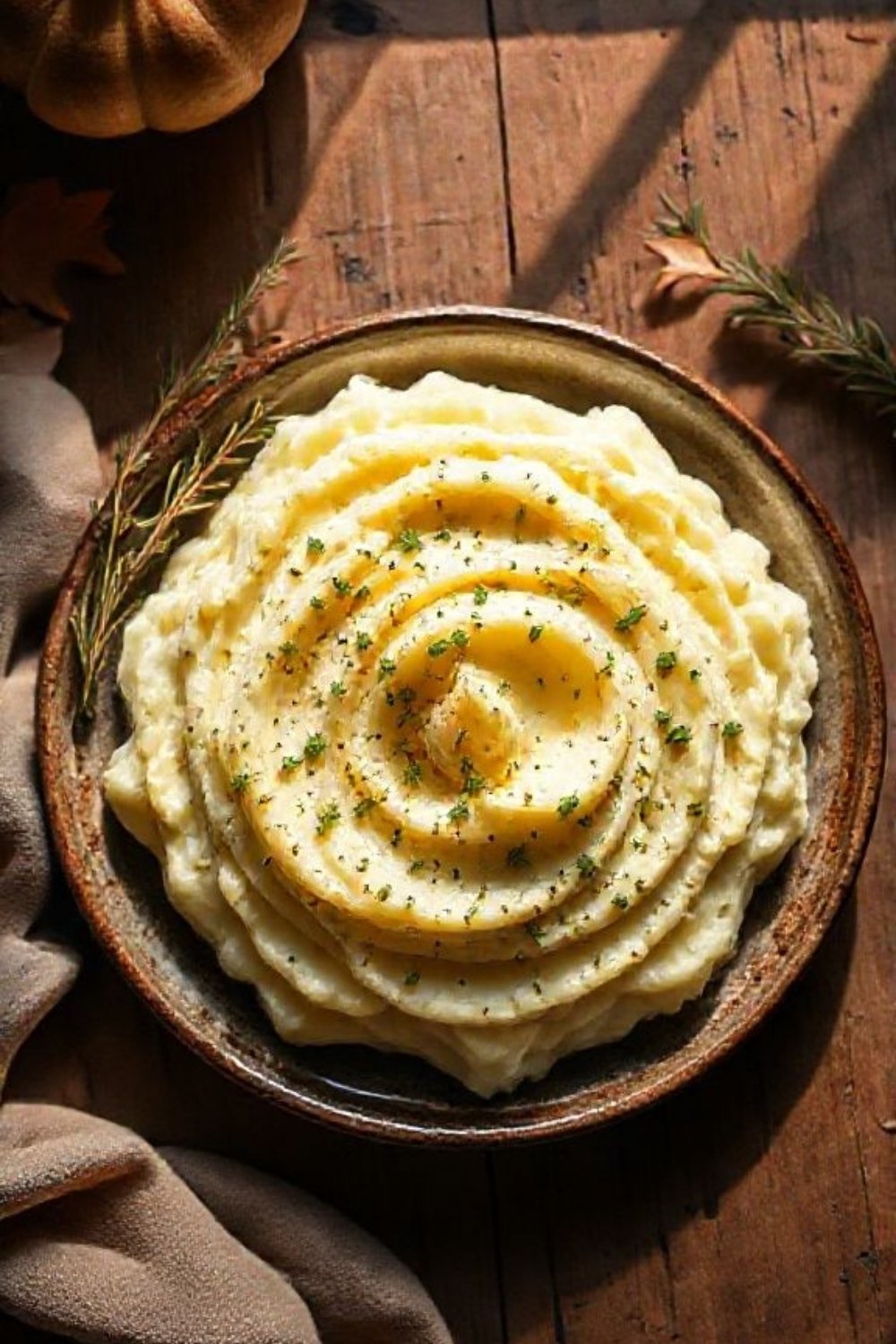
- Transfer to a warm serving bowl. Swirl the surface, add a pat of butter to melt over the top. Serve immediately.
Notes
- Storage: Refrigerate for up to 4 days. Reheat gently in a saucepan with added warm milk and butter.
- Make ahead: Hold warm in a slow cooker on KEEP WARM for up to 2 hours, stirring occasionally. Or cover the pot and hold in a 200°F oven up to 1 hour.
- Key rule: Never use an electric mixer, blender, or food processor — they will make the potatoes gluey.
- Swap: Yukon Gold potatoes for a creamier, butterier result. Cream cheese (3–4 oz) in place of sour cream for extra richness.
How to Make It
Step 1: Boil the Potatoes
Place the potato chunks in a large pot and cover with cold water by about 1 inch. Add 2 tablespoons of kosher salt. Bring to a boil over high heat, then reduce to a steady simmer — not a full rolling boil. Cook for 15–20 minutes until a fork slides through a chunk with absolutely no resistance and the potato nearly falls apart. The exact time depends on the size of your chunks; start checking at 15 minutes.
Step 2: Drain and Dry
Drain the potatoes into a colander and let them sit for 30 seconds to release as much water as possible. Return the empty pot to the stove over low heat. Add the potatoes back and shake gently for 1–2 minutes until the surface of the potatoes looks dry and floury. You’ll see steam rising. This step drives off the excess surface moisture that leads to waterlogged mash.
Step 3: Rice or Mash
Pass the potatoes through a ricer directly back into the pot, or mash with a handheld masher until no large lumps remain. Work quickly while the potatoes are still hot — cold potatoes are harder to mash and more prone to lumps.
Step 4: Add the Butter and Cream
Add the room-temperature butter a few pieces at a time, folding gently with a spatula or wooden spoon between each addition. Once the butter is incorporated, begin adding the warm cream or milk in small pours, folding between each addition, until the potatoes reach your preferred consistency. Stop adding liquid before you think you need to — the potatoes will continue to absorb as they rest.
Fold in the sour cream. Season generously with salt and pepper, taste, and adjust. Transfer to a warm serving bowl, make a swirl on the surface with the back of a spoon, and add a pat of butter to melt over the top.
The Butter and Cream Ratio
Six tablespoons of butter for three pounds of potatoes sounds like a lot until you taste what less produces. The butter isn’t just for flavor — it coats the starch granules and separates them slightly, which is what makes the texture light rather than dense. Reducing the butter makes the mash stiffer and less satisfying.
Room temperature butter, not melted. Room temperature butter incorporates gradually and evenly into the potato. Melted butter goes in as liquid and can make the mash slightly greasy. The goal is for the fat to emulsify into the potato, not sit on top of it.
Heavy cream over milk for richness, milk for lightness. Both need to be warm before they go into the potatoes. The easiest way: combine the cream or milk in a small saucepan and warm over low heat, or microwave in 20-second intervals until steaming.
The sour cream. A quarter cup of sour cream or crème fraîche adds a gentle tang that cuts through the richness and makes the mash taste more complex without tasting sour. It’s the difference between mashed potatoes that taste one-dimensional and ones that make people ask what the secret is.
Tips for Fluffy Mashed Potatoes Every Time
- Salt the water generously. Two tablespoons of kosher salt for three pounds of potatoes seasons the potato from the inside during cooking. Salting only at the end means your mash will always taste slightly flat at the center and sharp on the surface.
- Don’t over-boil. A gentle simmer prevents the potatoes from agitating and breaking apart in the water, which causes them to absorb too much liquid. The water should be just barely bubbling.
- Dry the potatoes before mashing. The minute in the hot pot after draining makes a real difference. It’s easy to skip and easy to regret.
- Never use a mixer or food processor. If you remember only one thing from this post, let it be this. The machine will produce gluey potatoes, guaranteed. A ricer takes 30 seconds and produces something completely different.
- Keep everything warm. Cold plate, cold butter, cold milk — any of these can set the mash or make it grainy. Warm the serving bowl with hot water before filling it. Add the butter at room temperature. Warm the cream or milk before adding.
- Taste before serving. The finishing salt is always more than you think. Mashed potatoes need assertive seasoning — they’re a large volume of relatively neutral starch and they absorb salt like a sponge.
Variations and Flavor Add-Ins
The base recipe is designed to be excellent on its own, but it also takes additions well:
- Garlic mashed potatoes. Add 4–6 roasted garlic cloves (squeezed from the head after roasting at 400°F for 40 minutes) along with the butter. The garlic melds into the mash and adds a sweet, deeply savory background.
- Cream cheese. Add 3–4 oz of full-fat cream cheese with the butter for an ultra-rich, slightly tangy result that holds its texture particularly well.
- Horseradish. A tablespoon of prepared horseradish folded in at the end adds a clean, sharp note that pairs especially well with roast beef or pot roast.
- Parmesan. Add ½ cup of freshly grated Parmesan with the butter. It melts into the mash and adds a savory depth that reads as “something different but I can’t place it.”
- Herb butter. Fold in a tablespoon of finely chopped fresh chives, rosemary, or thyme along with the butter. Keep the herbs refined; large pieces of fresh herb feel wrong in mashed potatoes.

Frequently Asked Questions
Can I make mashed potatoes ahead of time? Yes. Keep them warm in a slow cooker on the KEEP WARM setting for up to 2 hours — stir occasionally and add a splash of warm milk if they tighten up. Alternatively, cover the pot with a lid and hold in a 200°F oven for up to an hour. For full advance prep, refrigerate and reheat gently in a saucepan over low heat with added warm milk and butter, stirring constantly.
Why are my potatoes lumpy? Either the potatoes were undercooked before mashing, or they weren’t mashed while hot enough. The potato needs to be completely tender — if any firmness remains, it won’t mash smooth. And hot potatoes mash much more easily than ones that have started to cool.
Can I use a stand mixer? Only if you use the paddle attachment on the lowest setting and stop the moment the lumps are gone. A few seconds too long and the starch breaks down into paste. A ricer is faster and more reliable.
How do I fix watery mashed potatoes? Return the pot to the stove over low heat and stir continuously — the steam will carry away some excess moisture. Add more room-temperature butter and fold in to help absorb the liquid and restore richness.
What to Serve With Mashed Potatoes
Mashed potatoes are the side dish that goes with nearly everything, but a few pairings stand out.
Honey mustard pork tenderloin is one of the best weeknight matches — the tangy glaze pools into the mash in a way that works beautifully. Mississippi pot roast is the other essential pairing — the braising liquid turns into a natural gravy that soaks into the potatoes and makes the whole plate taste like something.
For a full holiday spread, this mash alongside shepherd’s pie (where the potato becomes the top layer) or next to a roast is how you build a table people remember.