
Traditional lasagna is a project. There’s a ragu that simmers for the better part of an hour, a separate béchamel, a pot of water for the noodles, and then the bake itself — by the time you sit down to eat, you’ve usually been in the kitchen for two hours or more. This version keeps everything that makes a lasagna worth making (the meaty ragu, the creamy béchamel, the bubbly cheese top) but cuts the total time roughly in half by speeding up the sauce, skipping the noodle-boiling step entirely, and trimming the rest time at the end. It’s still a real lasagna. It just doesn’t eat your whole evening.
I get it if “weeknight lasagna” sounds like a contradiction. Lasagna has a reputation as a weekend dish, something you make when you have a free afternoon and don’t mind a sink full of pots. But most of what makes traditional lasagna slow isn’t the difficulty — it’s the waiting. Waiting for the ragu to deepen, waiting for water to boil, waiting for the lasagna to rest. This recipe doesn’t skip those steps so much as compress them, and the result still has that same layered, comforting quality even though it spends a lot less time in the oven and on the stove.
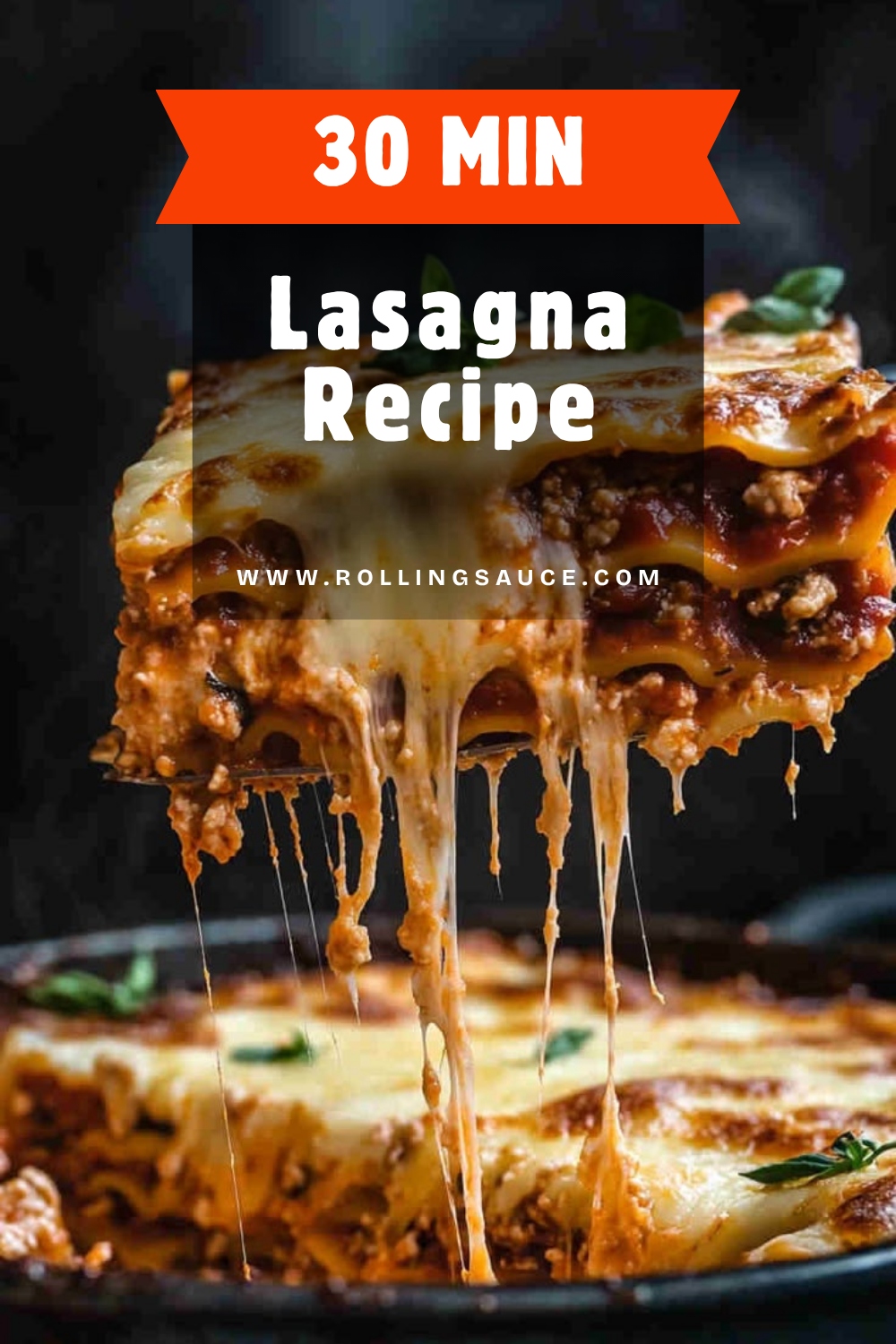
Why This Takes Half the Usual Time
There are three places where this recipe saves time, and none of them involve cutting corners on flavor.
The first is the ragu. A traditional ragu simmers low and slow for 45 minutes so the flavors have time to deepen. Here, a smaller dice on the vegetables and a slightly higher simmer get you most of that depth in 12 to 15 minutes — it won’t taste exactly like a Sunday-afternoon ragu, but it tastes like a really good Tuesday-night one, which is the point.
The second is the noodles. No-boil (oven-ready) lasagna noodles go into the pan dry, straight from the box. There’s no pot of water to boil, no draining, no laying noodles out on towels so they don’t stick together. They cook by absorbing liquid from the sauce as the lasagna bakes, which is also why this recipe’s sauce is a little looser than a traditional ragu — the noodles need that extra moisture to soften properly.
The third is the rest time. A big, deep traditional lasagna needs 15 to 20 minutes to firm up enough to cut cleanly. A 9×13 pan with thinner layers sets up faster, so 8 to 10 minutes of resting is plenty.
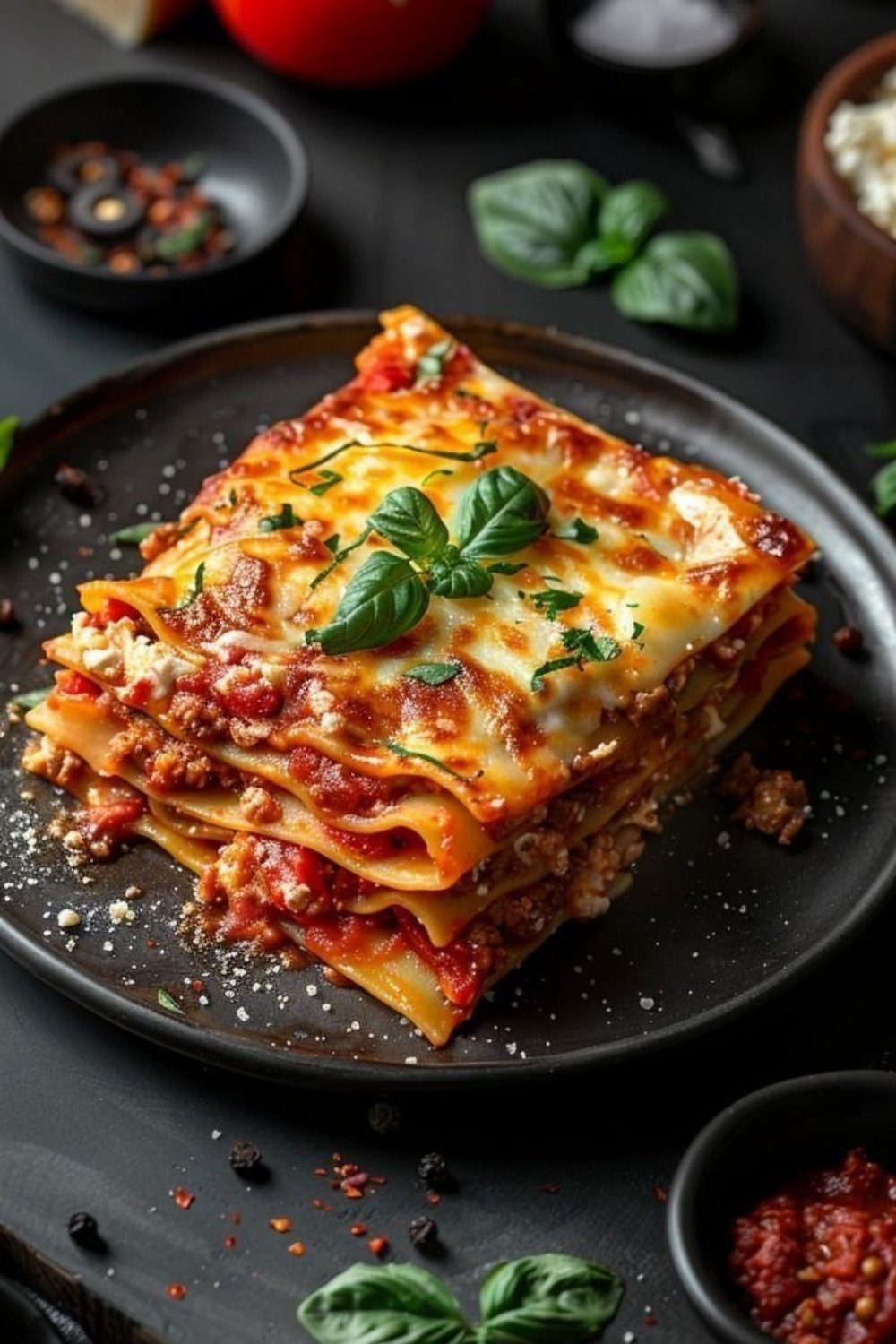

Quick Weeknight Lasagna
Ingredients
Method
- Heat olive oil in a large pot over medium-high heat. Add the onion, carrot, and celery and cook for 3-4 minutes until softened.
- Add the ground beef and cook, breaking it up, until no pink remains. Stir in the garlic, nutmeg, salt, and pepper.
- Add the red wine and simmer for 1-2 minutes. Stir in the marinara, milk, and water. Simmer for 12-15 minutes, stirring occasionally, until slightly thickened but still loose.
- Meanwhile, make the bechamel: melt the butter in a saucepan over medium heat, whisk in the flour, and cook for 1 minute without browning. Gradually whisk in the milk and cook, whisking, until thickened, about 5 minutes. Season with salt, white pepper, and nutmeg.
- Stir 1/3 cup of the bechamel into the ragu.
- Lightly oil a 9×13 baking dish. Spread a thin layer of bechamel on the bottom, then add 3 no-boil noodles. Top with 1/3 of the ragu and a sprinkle of Parmesan. Repeat twice more.
- Pour the remaining bechamel over the top and finish with a generous layer of Parmesan.
- Cover with foil and bake at 400°F for 20 minutes. Uncover and bake another 5-8 minutes, or broil briefly, until golden and bubbling.
- Let rest for 8-10 minutes before slicing and serving.
Notes
- Storage: Refrigerate leftovers in an airtight container for up to 4 days; reheat covered in a 350°F oven or in the microwave.
- Make ahead: Assemble completely, cover, and refrigerate up to 24 hours before baking; add about 10 extra minutes to the covered bake time.
- Swap: Use ground turkey or Italian sausage in place of beef; add a layer of shredded mozzarella for extra stretch.
What You’ll Need
This recipe has three components — ragu, béchamel, and assembly — but none of them are complicated:
For the ragu:
- Ground beef (or ground pork, or a mix)
- Onion, carrot, and celery — finely diced, for the aromatic base
- Garlic and nutmeg — nutmeg in a meat sauce sounds unusual but rounds out the richness
- Red wine — for deglazing and depth (or beef broth if you’d rather skip it)
- Marinara or tomato purée
- A splash of milk — this is the trick that makes the ragu taste rounder and less acidic, borrowed from old-school Bolognese technique
For the béchamel:
- Butter and flour — for the roux
- Whole milk
- Salt, white pepper, and a pinch of nutmeg
For assembly:
- No-boil lasagna noodles
- Grated Parmesan
- Olive oil, for the pan

How It Comes Together
Build the ragu base. Heat olive oil in a large pot or deep skillet over medium-high heat. Add the diced onion, carrot, and celery and cook for 3 to 4 minutes until they start to soften. Add the ground beef and cook, breaking it up as it browns, until no pink remains. Stir in the garlic, nutmeg, salt, and pepper.
Add the liquids and simmer. Pour in the red wine and let it bubble for a minute or two to cook off the sharp alcohol smell. Add the marinara, milk, and water, stir to combine, and let the ragu simmer over medium heat for 12 to 15 minutes, stirring occasionally. It should thicken slightly but stay looser than a sauce you’d toss with cooked pasta — that extra liquid is doing important work later.
Make the béchamel while the ragu simmers. In a separate saucepan, melt the butter over medium heat, then whisk in the flour. Cook for about a minute, whisking constantly, without letting it brown. Gradually whisk in the milk, then keep whisking over medium heat until the sauce thickens enough to coat a spoon, about 5 minutes. Season with salt, white pepper, and a pinch of nutmeg.
Combine and assemble. Stir about 1/3 cup of the béchamel into the finished ragu — this is a small step that makes a noticeable difference, smoothing out the acidity of the tomato and tying the two sauces together. Lightly oil a 9×13 baking dish, spread a thin layer of béchamel on the bottom, and lay down 3 no-boil noodles. Top with about a third of the ragu and a sprinkle of Parmesan. Repeat this layering two more times, then finish with the remaining béchamel poured over the top and a generous final layer of Parmesan.
Don’t worry too much about getting the layers perfectly even or the noodles perfectly straight — this is one of those dishes where a slightly rustic assembly bakes up just as well as a precise one, and the layers will settle and meld together as everything cooks anyway.
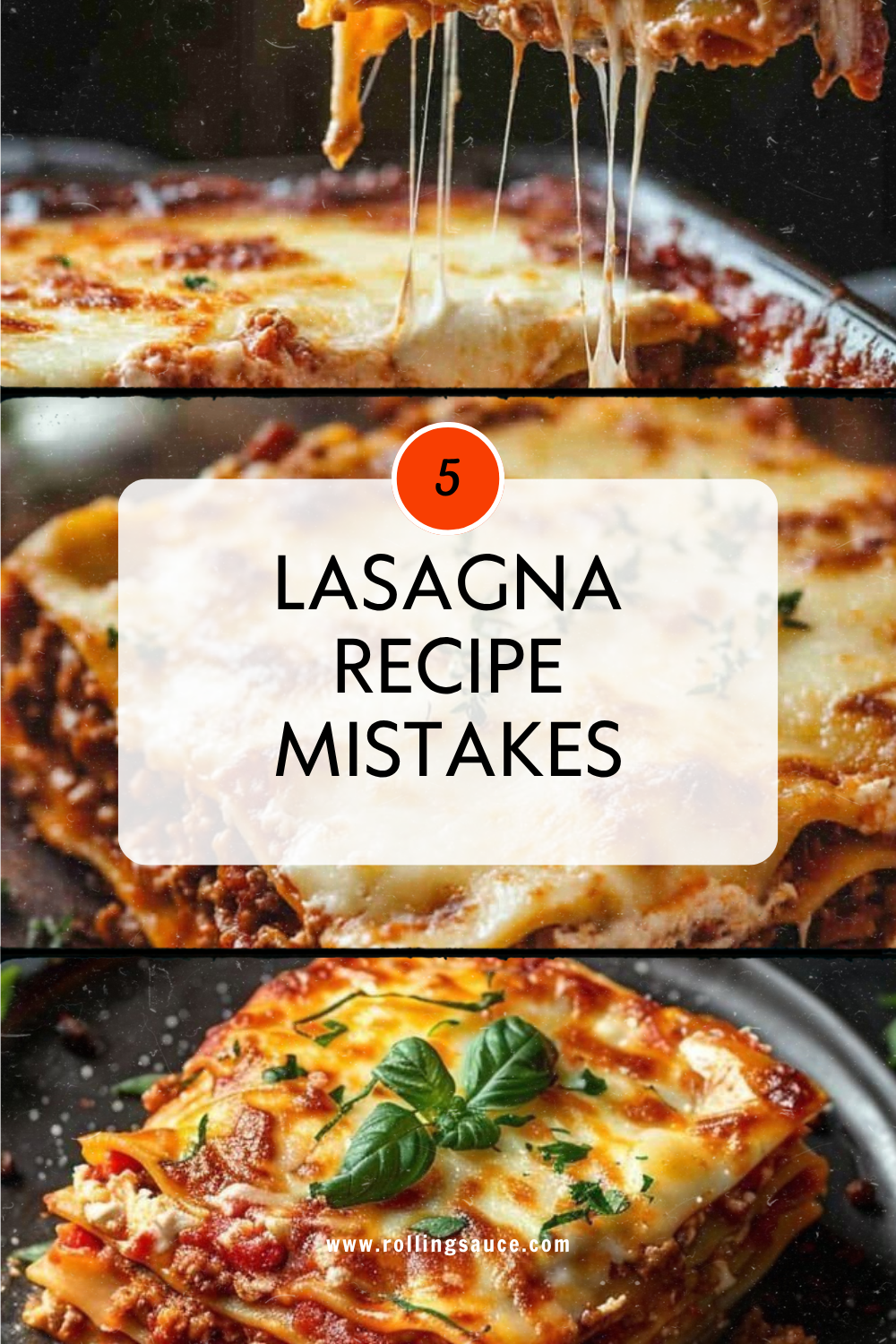
Bake. Cover the dish with foil and bake at 400°F for about 20 minutes. Remove the foil and bake for another 5 to 8 minutes, or run it under the broiler briefly, until the top is golden and bubbling. Let it rest for 8 to 10 minutes before cutting — this is shorter than a traditional lasagna’s rest time, but the thinner layers here set up faster.
Tips for Quick Weeknight Lasagna
Don’t skip the extra liquid in the ragu. No-boil noodles can absorb up to 50% more moisture than pre-boiled ones, so a sauce that looks slightly thin going into the pan is exactly what you want — it’ll thicken as the noodles soak it up in the oven. According to Barilla’s guidance on oven-ready noodles, this extra liquid is the main adjustment needed when switching from boiled to no-boil noodles, and skipping it is the most common reason no-boil lasagna comes out dry or with crunchy edges.
Make sure your noodles are fully covered by sauce on all sides, especially at the edges and corners of the pan. Any dry noodle edges that aren’t touching sauce won’t soften properly, so when in doubt, push a little extra sauce or béchamel into the corners before adding the next layer.
If you’re short on prep time, the vegetables for the ragu can be pulsed in a food processor instead of hand-diced — it won’t look quite as neat, but it cooks just as quickly and nobody will notice once it’s under a layer of cheese.
Letting the lasagna sit for those 8 to 10 minutes really does matter, even on a weeknight. Cutting into it immediately means the layers will slide apart on the plate instead of holding their shape.
Make It Your Own
This recipe is easy to adjust based on what’s in the fridge. Ground turkey or Italian sausage both work in place of beef — sausage in particular adds extra flavor without much extra effort, so you can sometimes skip the wine if you’re using a well-seasoned sausage. If you don’t keep wine on hand, beef broth with a small splash of red wine vinegar gets you most of the same depth.
For the cheese, a layer of shredded mozzarella between the ragu and the next noodle layer adds the stretchy, gooey quality a lot of people expect from lasagna — this version leans on béchamel and Parmesan for its creaminess, but there’s nothing stopping you from adding mozzarella too if that’s what your household wants. Fresh spinach or chopped kale stirred into the ragu during the last few minutes of simmering is also an easy way to work in some vegetables without adding a separate side dish.
If you’re feeding picky eaters, the nutmeg and red wine are both easy to leave out without changing the overall dish much — the nutmeg is subtle enough that its absence won’t be obvious, and the wine can simply be replaced with an equal amount of broth or water. On the other end of the spectrum, if you want to dress this up for a slightly more special dinner, a few torn fresh basil leaves layered in with the ragu add a brightness that a long-simmered version sometimes doesn’t need but a quicker one benefits from.
FAQ
Can I use regular lasagna noodles instead of no-boil? You can, but you’ll need to boil them first according to the package directions, which adds back some of the time this recipe is designed to save. If you do use regular noodles, reduce the extra water in the ragu slightly, since pre-boiled noodles won’t need to absorb as much liquid.
Why is there milk in the meat sauce? A splash of milk in a tomato-based meat sauce is a classic technique that mellows out the acidity of the tomatoes and rounds out the overall flavor. You won’t taste “milk” in the finished dish — it just makes the sauce taste less sharp.
Can I make this ahead of time? Yes. Assemble the lasagna completely, cover, and refrigerate for up to a day before baking. Since it’ll be cold going into the oven, add about 10 extra minutes to the covered bake time.
My lasagna came out a little soupy — what happened? This usually means the ragu was too thin when it went into the pan, or the lasagna didn’t rest long enough before cutting. Both the noodles and the resting time are doing work to bring everything together, so if it happens again, simmer the ragu a few extra minutes and give the baked lasagna the full 8 to 10 minutes to set before slicing.
How do I store and reheat leftovers? Refrigerate leftovers in an airtight container for up to 4 days. Reheat individual portions in the microwave, or cover the dish with foil and warm it in a 350°F oven until heated through.
A wedge of this lasagna doesn’t need much alongside it, but something fresh and a little acidic balances out how rich it is. A simple green salad with a sharp vinaigrette is the classic choice, and fresh basil scattered over the top right before serving adds a brightness that plays really well against the béchamel. If you want something a little more substantial on the side, easy broccoli salad with bacon brings its own tangy dressing that cuts through the richness in a similar way. And if lasagna becomes a regular weeknight thing in your house, Italian-style meatballs in homemade marinara and chicken parm are both worth keeping in rotation for the nights you want that same Italian comfort-food feeling with a different shape.