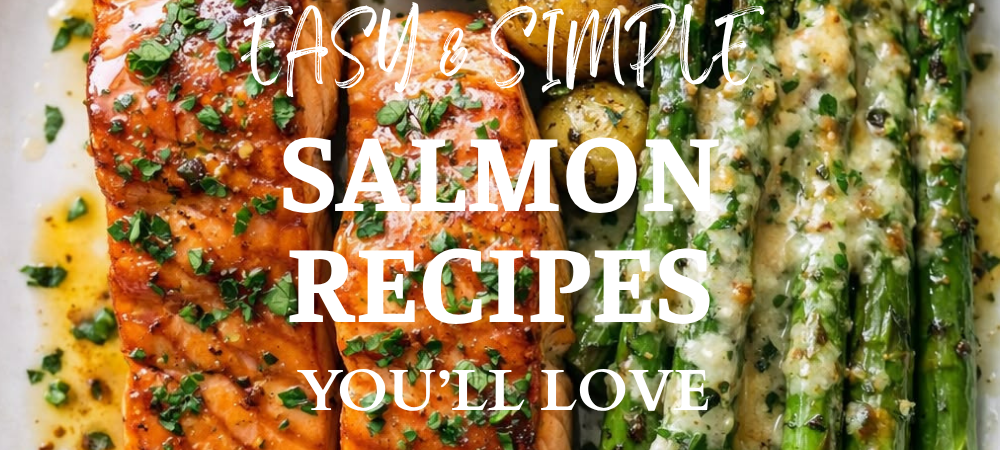
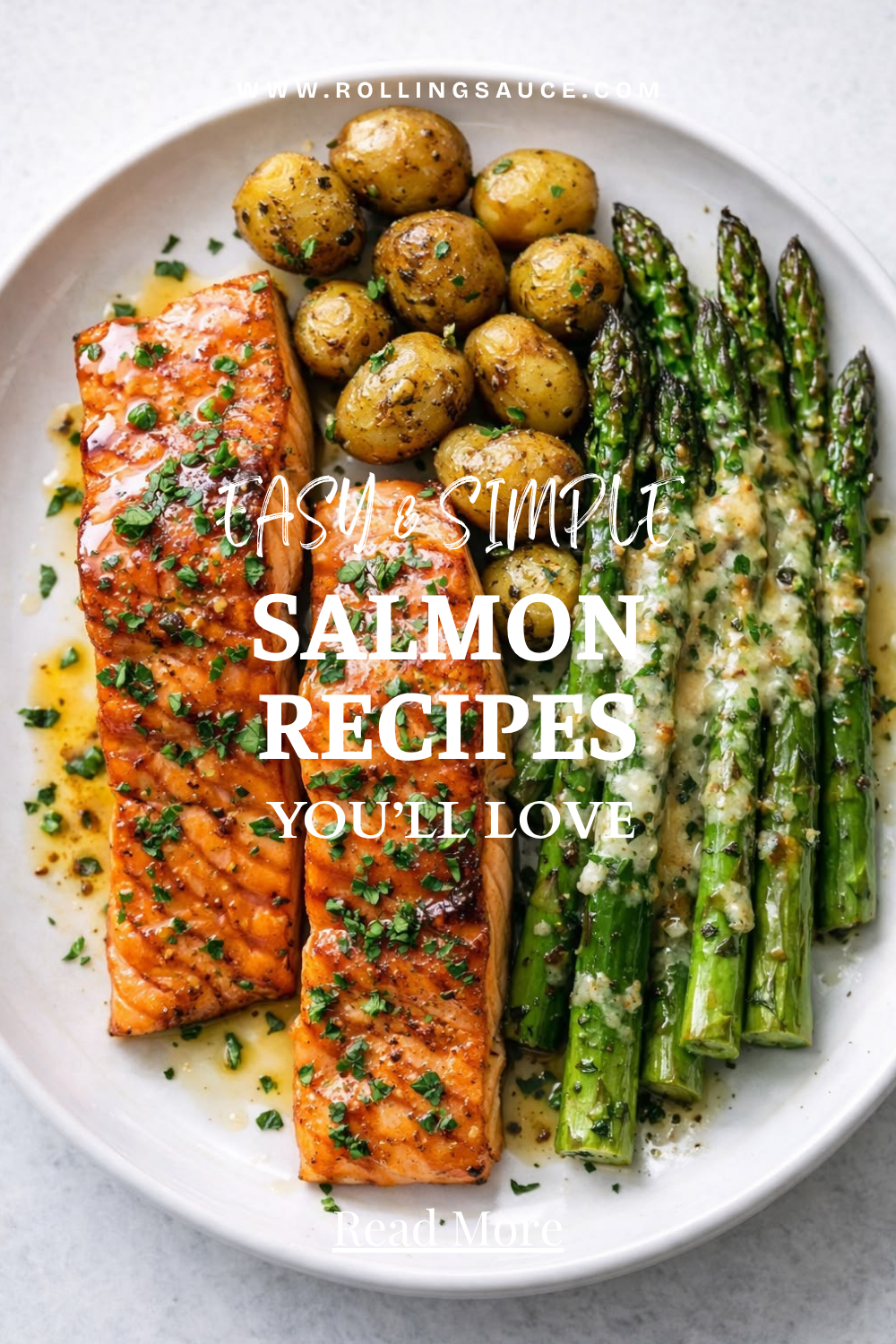
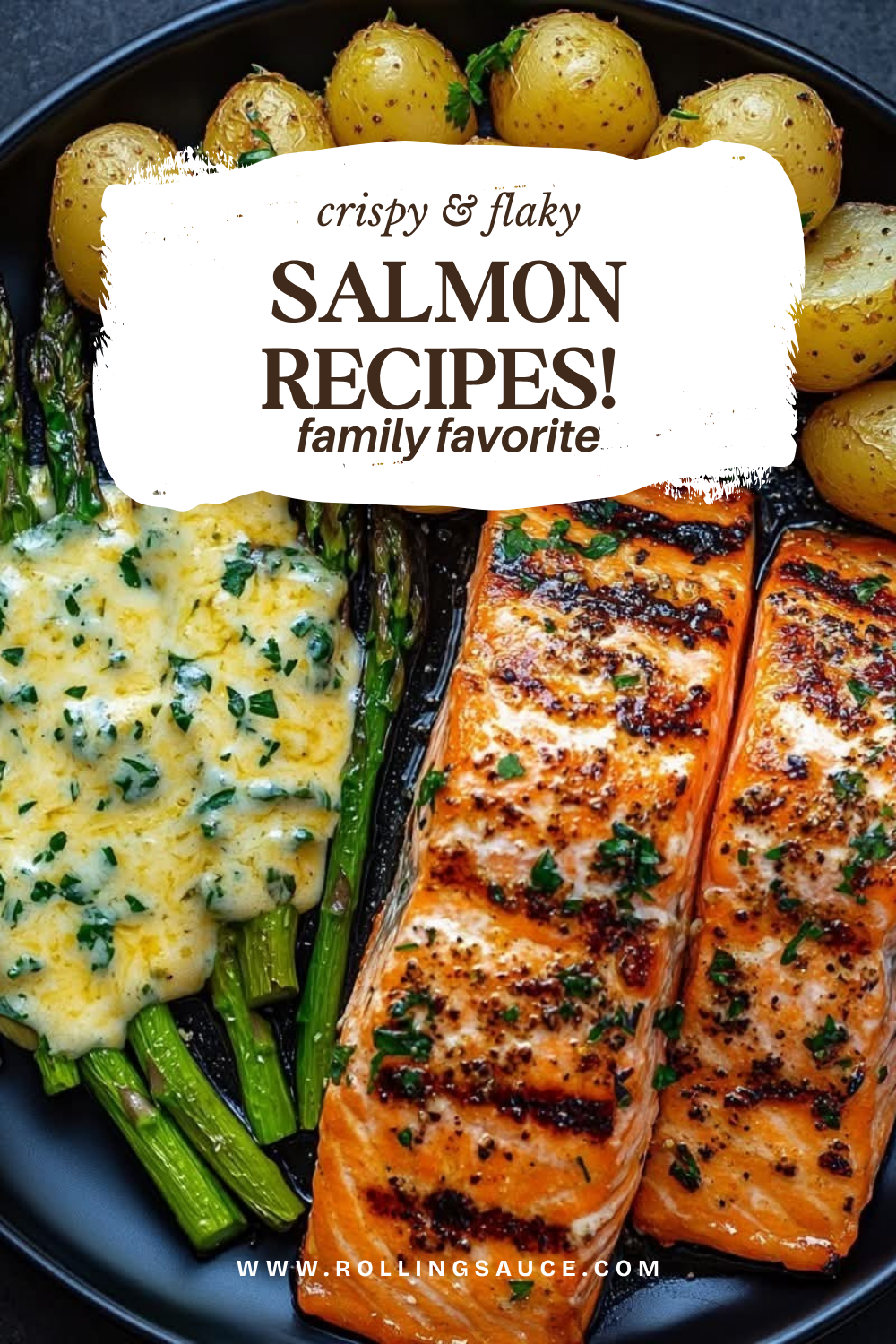
Salmon has a bit of an image problem. It shows up on fancy restaurant menus with a price tag to match, which makes it feel like something you’d order out rather than something you’d throw together on a Tuesday. The truth is almost the opposite — salmon might be one of the fastest, most forgiving proteins you can cook at home, and it barely needs any technique to taste like something a restaurant would charge you twice as much for.
These five salmon recipes all lean into that. None of them take more than about 30 minutes, none of them require anything beyond a sheet pan, a skillet, or an air fryer, and all of them are built around the kind of ingredients you probably already have in the pantry. Whether you’re after something crisp and fast, something glazed and saucy, or something that looks a little more put-together for company, there’s a version here for it.
What ties all five together is how little they ask of you in terms of technique. There’s no brining, no marinating overnight, and no special equipment beyond whatever you’re already cooking with. Salmon is forgiving enough that even if you’re new to cooking fish, these are a reasonable place to start — and if you’ve been cooking it for years, they’re the kind of recipes that earn a spot in regular rotation simply because they’re easy to come back to.
Air Fryer Salmon
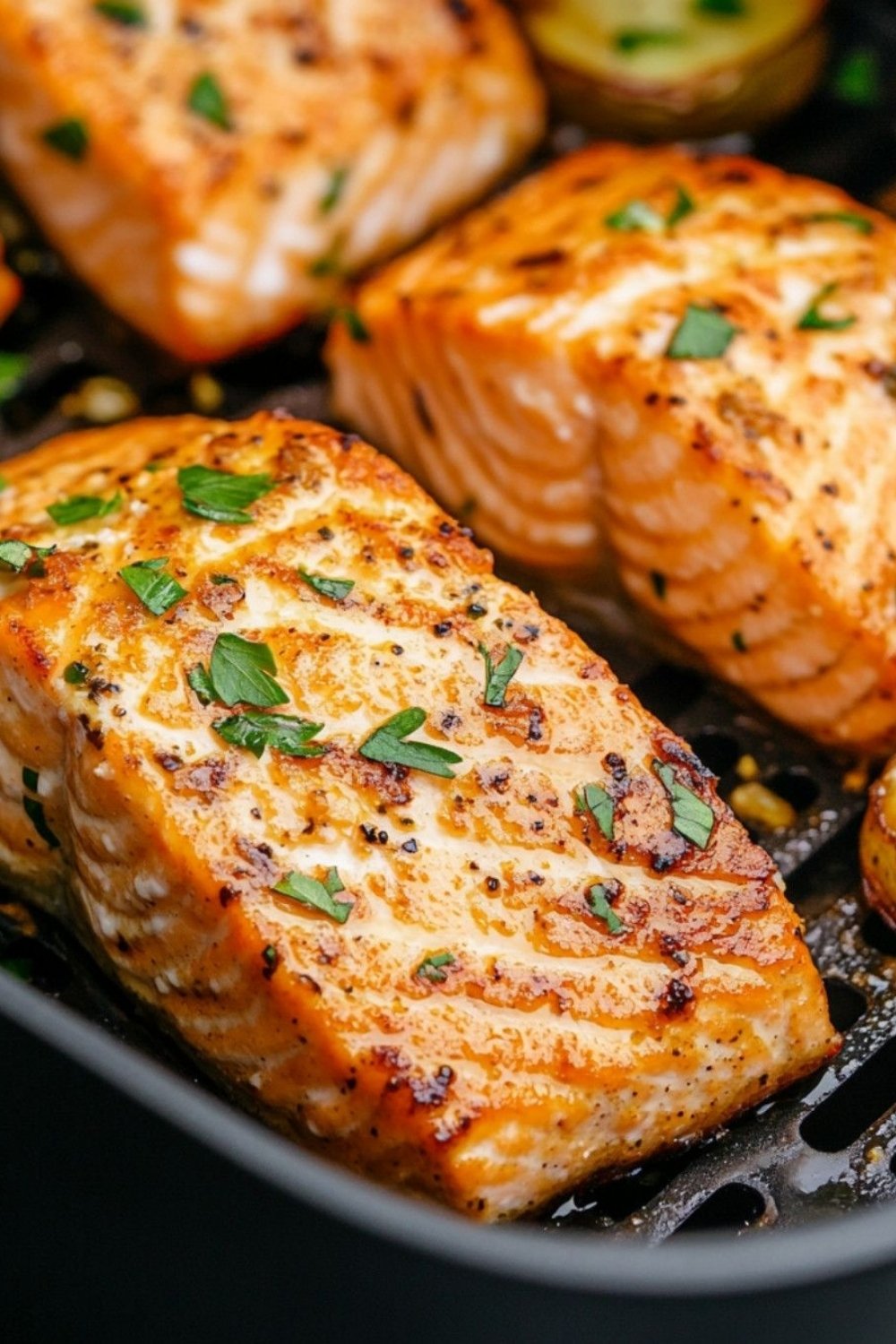
This is the one to make when you want dinner on the table with almost no cleanup. The air fryer gives the outside of the salmon a slightly crisp edge while keeping the inside tender, and the whole thing is done faster than it would take to preheat a full oven.
Ingredients:
- 4 salmon fillets (about 6 oz / 170 g each)
- 1 tbsp olive oil
- 1 tsp garlic powder
- 1 tsp paprika
- 1/2 tsp salt
- 1/4 tsp black pepper
- lemon wedges, for serving
How it comes together: Pat the salmon fillets dry with a paper towel, then brush both sides lightly with olive oil. Combine the garlic powder, paprika, salt, and pepper, and sprinkle evenly over the fillets. Place them in the air fryer basket skin-side down (if skin-on) and cook at 400°F (200°C) for 7 to 9 minutes, depending on thickness, until the salmon flakes easily and reaches an internal temperature of 145°F. Serve with lemon wedges.

Air Fryer Salmon
Ingredients
Method
- Instructions
- Pat the salmon fillets dry with a paper towel.
- Brush both sides of each fillet lightly with olive oil.
- Combine the garlic powder, paprika, salt, and pepper, and sprinkle evenly over the fillets.
- Place the fillets in the air fryer basket skin-side down (if skin-on).
- Air fry at 400°F (200°C) for 7-9 minutes, depending on thickness, until the salmon flakes easily and reaches an internal temperature of 145°F.
- Serve with lemon wedges.
Notes
- Storage: Leftovers keep in an airtight container in the fridge for up to 2 days.
- Make ahead: The seasoning blend can be mixed ahead and stored in a small jar for quick use.
- Swap: Try a lemon-pepper or Cajun seasoning blend instead of garlic powder and paprika, or add a small pat of butter to each fillet before air frying.
If you’re already using your air fryer for other things, this fits right into the rotation from my air fryer recipes roundup — salmon cooks in roughly the same time as a lot of those sides, so they’re easy to pair together.
Make it your own: Swap the paprika and garlic powder for a lemon-pepper or Cajun seasoning blend if you want a different flavor direction without changing the method. A small pat of butter on top of each fillet before air frying also adds richness without much extra effort.
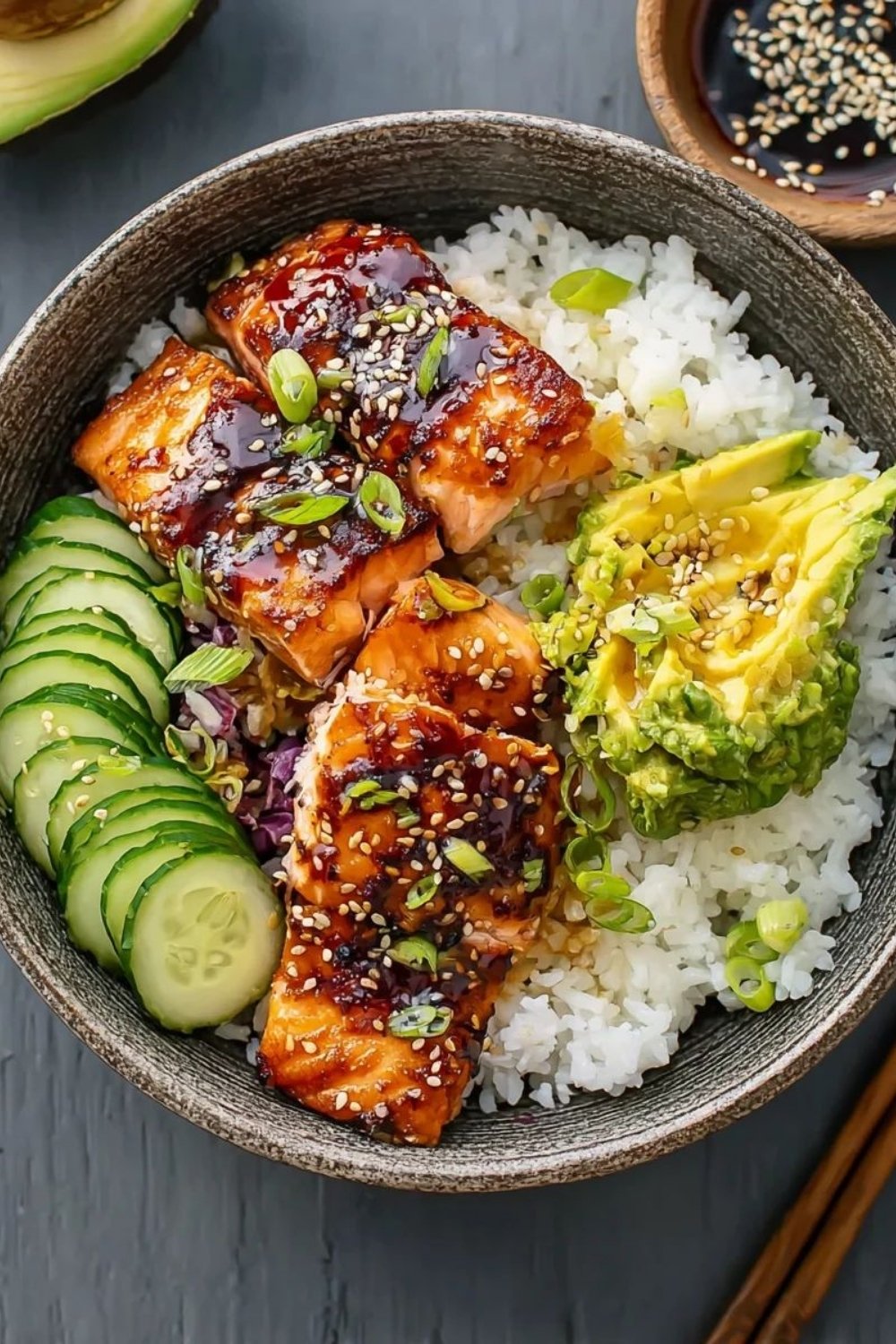
Teriyaki Salmon
This one tastes like something from a hibachi restaurant, but the sauce comes together in the same pan while the salmon cooks, so there’s only one pan to clean. The glaze is sweet, salty, and a little sticky in the best way, and it clings to the salmon instead of just pooling underneath it.
Ingredients:
- 4 salmon fillets (about 6 oz / 170 g each)
- 1 tbsp vegetable oil
- 1/4 cup (60 ml) soy sauce
- 2 tbsp honey or brown sugar
- 1 tbsp rice vinegar
- 1 tsp sesame oil
- 2 cloves garlic, minced
- 1 tsp fresh ginger, grated
- 1 tsp cornstarch mixed with 1 tbsp water
- sliced green onions and sesame seeds, for garnish
How it comes together: Heat the vegetable oil in a large skillet over medium-high heat. Add the salmon fillets skin-side down (if using skin-on) and cook for 4 to 5 minutes, until browned. Flip and cook for another 2 to 3 minutes, then remove the salmon from the pan and set aside. In the same skillet, combine the soy sauce, honey, rice vinegar, sesame oil, garlic, and ginger. Bring to a simmer, then stir in the cornstarch slurry and cook for 1 to 2 minutes until the sauce thickens and turns glossy. Return the salmon to the pan, spoon the sauce over each fillet, and cook for another minute to heat through. Garnish with green onions and sesame seeds.
Make it your own: A teaspoon of orange or pineapple juice stirred into the sauce adds a fruity note that plays well with the soy and ginger. If you like a bit of heat, a small squeeze of sriracha into the sauce while it simmers works without overpowering the teriyaki flavor.
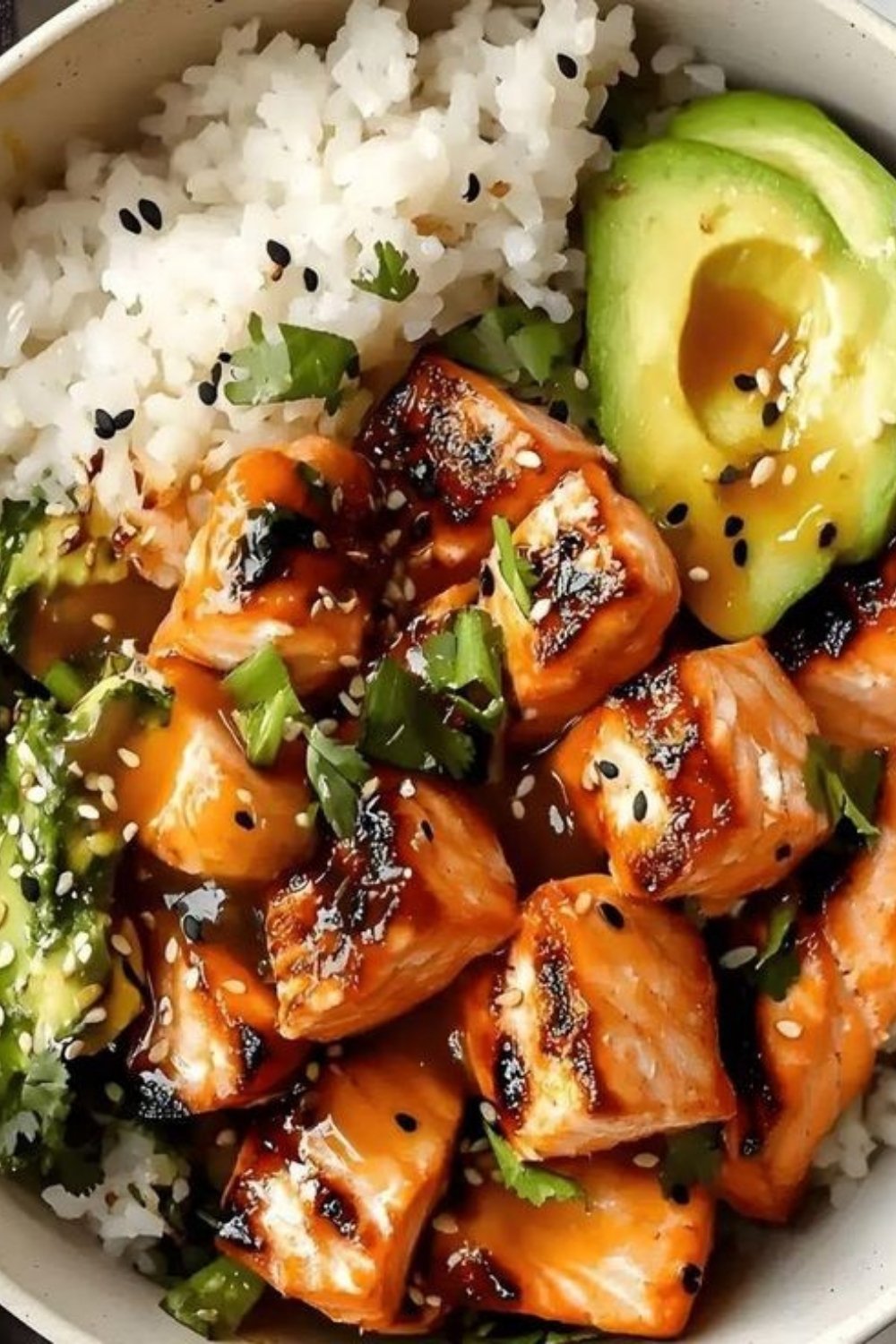
Teriyaki Salmon
Ingredients
Method
- Heat the vegetable oil in a large skillet over medium-high heat.
- Add the salmon fillets skin-side down (if using skin-on) and cook for 4-5 minutes, until browned.
- Flip and cook for another 2-3 minutes, then remove the salmon from the pan and set aside.
- In the same skillet, combine the soy sauce, honey, rice vinegar, sesame oil, garlic, and ginger. Bring to a simmer.
- Stir in the cornstarch slurry and cook for 1-2 minutes until the sauce thickens and turns glossy.
- Return the salmon to the pan and spoon the sauce over each fillet. Cook for another minute to heat through.
- Garnish with green onions and sesame seeds.
Notes
- Storage: Keeps in an airtight container in the fridge for up to 2 days.
- Make ahead: The sauce ingredients (minus the cornstarch slurry) can be measured and combined ahead of time for a faster cook.
- Swap: Add a teaspoon of orange or pineapple juice to the sauce for a fruitier note, or a squeeze of sriracha for heat.
Honey-Chili Salmon With Broccoli
This is the sheet pan version of “sweet and a little spicy,” and it’s a complete dinner on one tray. The broccoli roasts alongside the salmon and picks up some of the same glaze, so even the vegetables end up tasting like part of the main dish instead of an afterthought.
Ingredients:
- 4 salmon fillets (about 6 oz / 170 g each)
- 2 cups (180 g) broccoli florets
- 2 tbsp olive oil, divided
- 3 tbsp honey
- 1 tbsp soy sauce
- 1 tbsp rice vinegar
- 1-2 tsp chili flakes (or 1 tbsp sriracha)
- 2 cloves garlic, minced
- salt and pepper, to taste
- sesame seeds, for garnish
How it comes together: Preheat the oven to 400°F (200°C). Toss the broccoli with 1 tablespoon of olive oil, salt, and pepper, and spread it on a sheet pan. Roast for 8 minutes to give it a head start. While that roasts, whisk together the honey, soy sauce, rice vinegar, chili flakes, garlic, and remaining tablespoon of olive oil. Push the broccoli to one side of the pan, add the salmon fillets, and brush the honey-chili mixture generously over each one. Return the pan to the oven and roast for another 12 to 15 minutes, until the salmon is cooked through and the broccoli is tender with some crisp edges. Sprinkle with sesame seeds before serving.
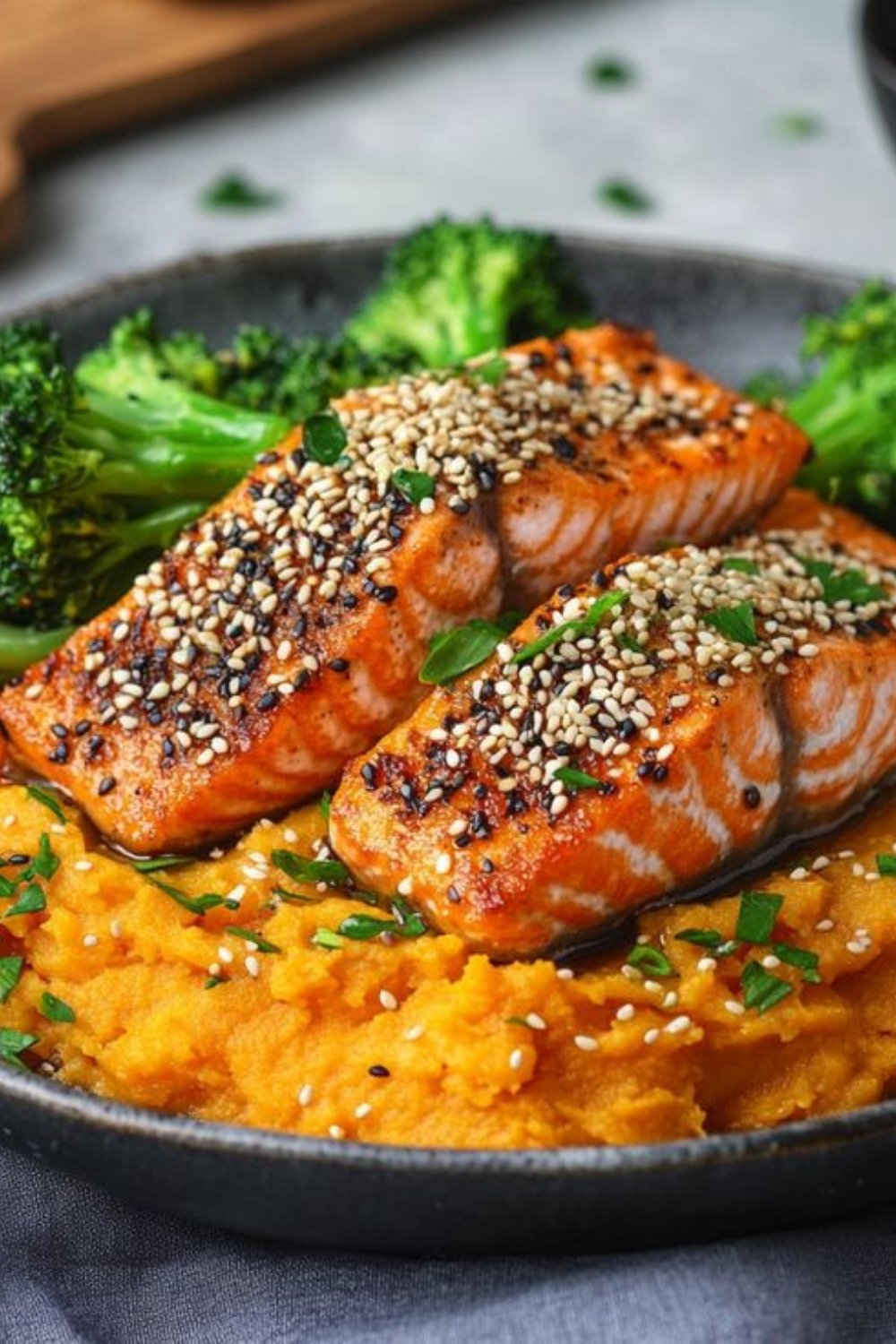
Honey-Chili Salmon With Broccoli
Ingredients
Method
- Preheat the oven to 400°F (200°C).
- Toss the broccoli with 1 tablespoon of olive oil, salt, and pepper, and spread it on a sheet pan.
- Roast for 8 minutes.
- While the broccoli roasts, whisk together the honey, soy sauce, rice vinegar, chili flakes, garlic, and remaining tablespoon of olive oil.
- Push the broccoli to one side of the pan and add the salmon fillets to the empty space.
- Brush the honey-chili mixture generously over each salmon fillet.
- Return the pan to the oven and roast for 12-15 minutes, until the salmon is cooked through and the broccoli is tender with crisp edges.
- Sprinkle with sesame seeds before serving.
Notes
- Storage: Keeps in an airtight container in the fridge for up to 2 days.
- Make ahead: The honey-chili glaze can be whisked together up to a day ahead and stored in the fridge.
- Swap: Use sriracha instead of chili flakes for a smoother heat, or swap broccoli for cauliflower or green beans.
If broccoli on the side is your thing, my broccoli salad with bacon is a good make-ahead option to serve alongside this one for a bigger spread.
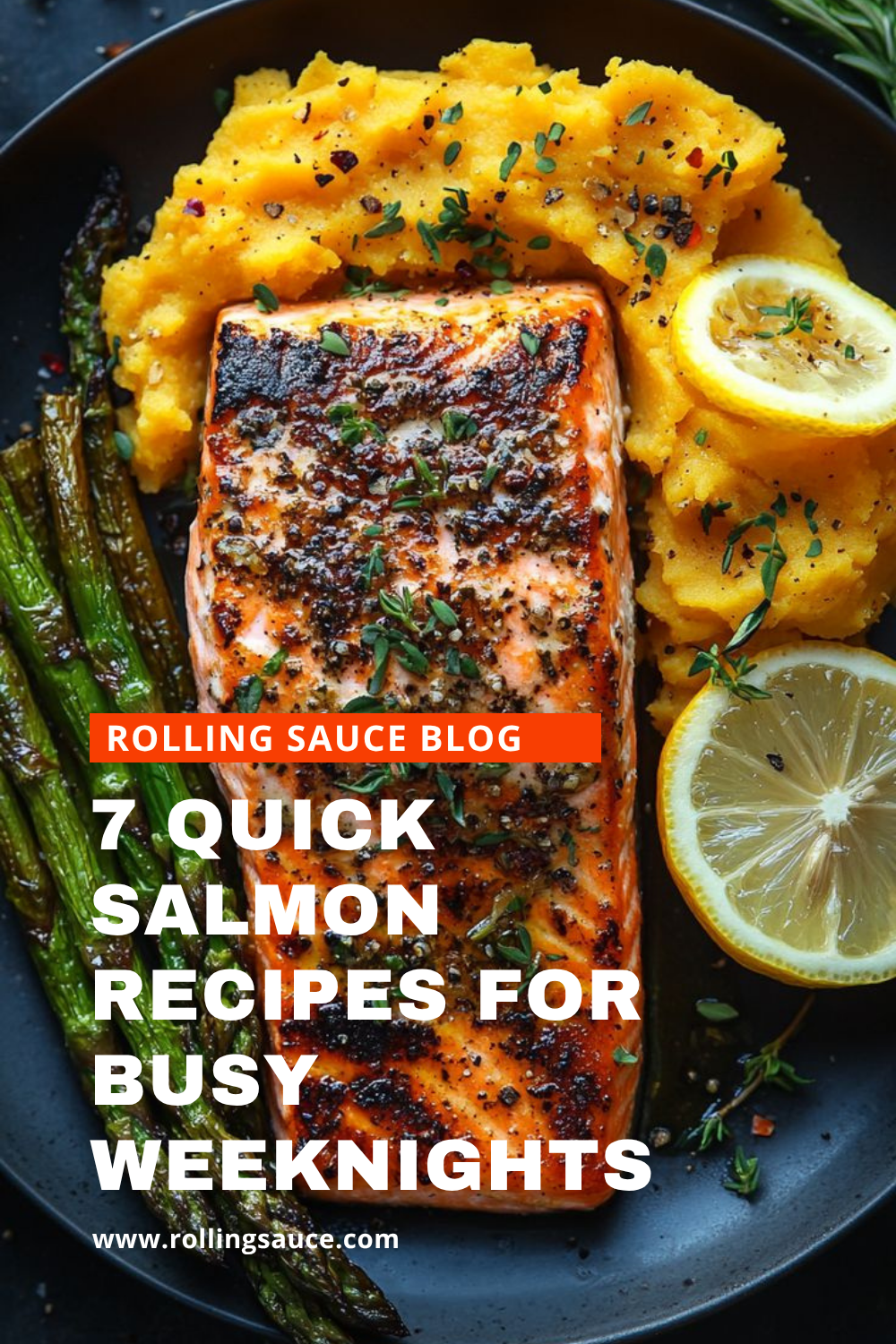
Sheet Pan Salmon and Potatoes
This is the heartiest of the five, and it’s the one I’d reach for on a night when “fish for dinner” needs to feel a little more substantial. The potatoes get a head start in the oven so they’re properly crisp by the time everything comes together, and the salmon picks up flavor from garlic, herbs, and lemon roasting right alongside it.
Ingredients:
- 4 salmon fillets (about 6 oz / 170 g each)
- 1 lb (450 g) baby potatoes, halved
- 2 tbsp olive oil, divided
- 1 tsp dried rosemary or thyme
- 2 cloves garlic, minced
- salt and pepper, to taste
- 1 lemon, sliced
How it comes together: Preheat the oven to 400°F (200°C). Toss the halved potatoes with 1 tablespoon of olive oil, salt, and pepper, and spread them on a sheet pan in a single layer. Roast for 20 minutes, until they’re starting to turn golden and can be pierced easily with a fork. Push the potatoes to one side of the pan and add the salmon fillets to the empty space. Drizzle the salmon with the remaining olive oil, sprinkle with the rosemary or thyme, minced garlic, salt, and pepper, and top each fillet with a lemon slice. Return to the oven and roast for another 12 to 15 minutes, until the salmon is cooked through and the potatoes are fully tender.
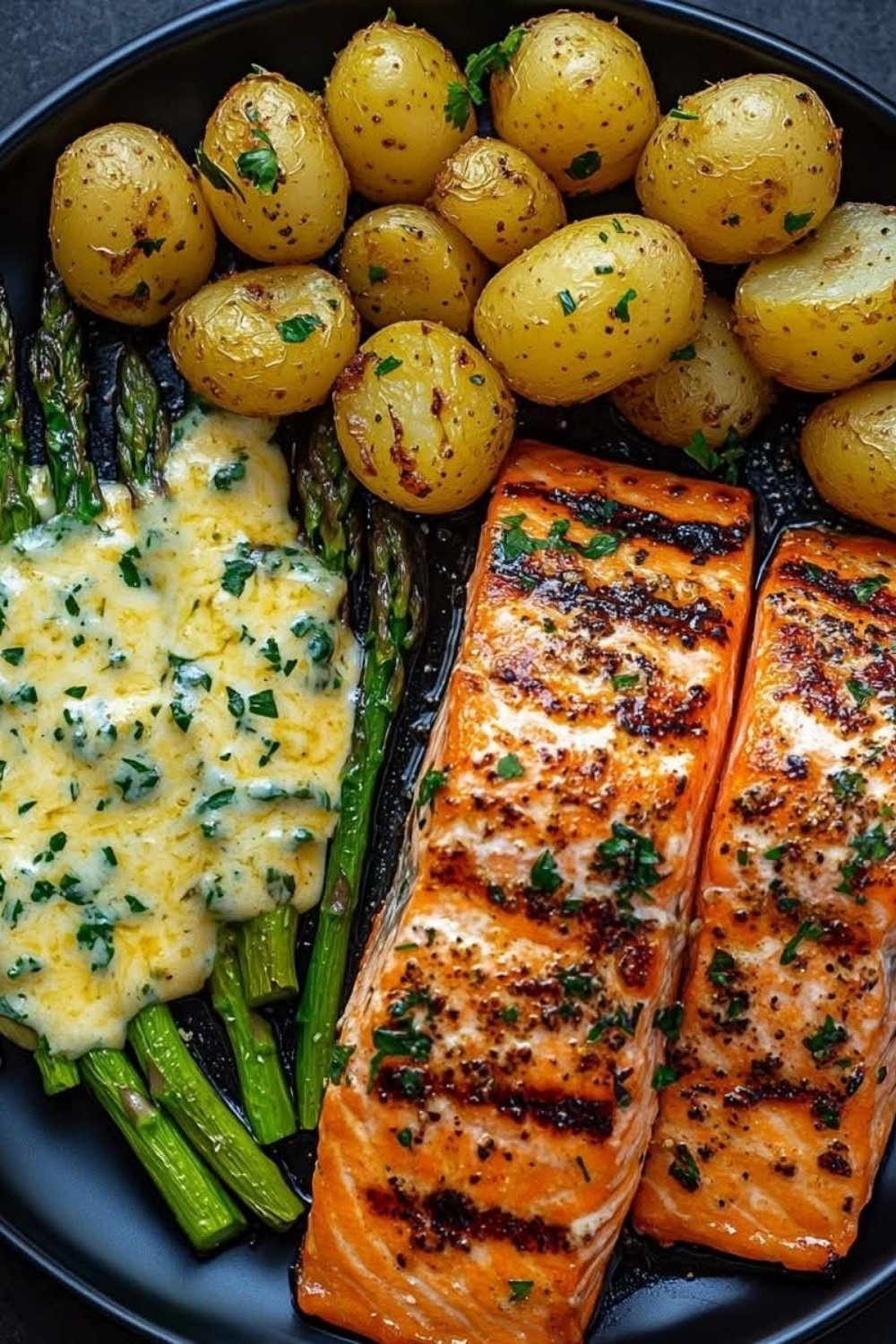
Sheet Pan Salmon and Potatoes
Ingredients
Method
- Preheat the oven to 400°F (200°C).
- Toss the halved potatoes with 1 tablespoon of olive oil, salt, and pepper, and spread them on a sheet pan in a single layer.
- Roast for 20 minutes, until starting to turn golden and easily pierced with a fork.
- Push the potatoes to one side of the pan and add the salmon fillets to the empty space.
- Drizzle the salmon with the remaining olive oil and sprinkle with the rosemary or thyme, minced garlic, salt, and pepper.
- Top each fillet with a lemon slice.
- Return to the oven and roast for 12-15 minutes, until the salmon is cooked through and the potatoes are fully tender.
Notes
- Storage: Keeps in an airtight container in the fridge for up to 2 days.
- Make ahead: Potatoes can be halved and tossed with oil and seasoning the night before and stored in the fridge until ready to roast.
- Swap: Swap baby potatoes for sweet potato chunks, or use dill instead of rosemary for a different herb direction.
Seed-Crusted Baked Salmon
This is the one that looks like it took more effort than it did, which makes it a good option if you’re cooking for guests or just want dinner to feel a little more special. A mustard-honey glaze holds a mix of seeds in place on top of the salmon, and as it bakes, the seeds toast slightly and turn into a crunchy, nutty crust.
Ingredients:
- 4 salmon fillets (about 6 oz / 170 g each)
- 2 tbsp Dijon mustard
- 1 tbsp honey
- 1/4 cup (35 g) mixed seeds (sesame, pumpkin, and sunflower seeds work well)
- 1 tbsp chopped fresh dill or parsley
- salt and pepper, to taste
How it comes together: Preheat the oven to 400°F (200°C) and line a baking sheet with parchment paper. Whisk together the Dijon mustard and honey, then brush this mixture evenly over the top of each salmon fillet. In a small bowl, combine the mixed seeds with the chopped dill or parsley, then press this mixture firmly onto the mustard-coated tops of the fillets so it sticks. Season with salt and pepper, place on the prepared baking sheet, and bake for 12 to 15 minutes, until the salmon is cooked through and the seed crust is lightly toasted.
Seed-Crusted Baked Salmon
Ingredients
Method
- Preheat the oven to 400°F (200°C) and line a baking sheet with parchment paper.
- Whisk together the Dijon mustard and honey.
- Brush the mustard-honey mixture evenly over the top of each salmon fillet.
- In a small bowl, combine the mixed seeds with the chopped dill or parsley.
- Press the seed mixture firmly onto the mustard-coated tops of the fillets so it sticks.
- Season with salt and pepper, place on the prepared baking sheet, and bake for 12-15 minutes, until the salmon is cooked through and the seed crust is lightly toasted.
Notes
- Storage: Keeps in an airtight container in the fridge for up to 2 days, though the seed crust softens slightly on reheating.
- Make ahead: The seed and herb mixture can be combined a day ahead and stored in a sealed container.
- Swap: Add crushed pistachios or almonds to the seed mixture for a more festive look, or stir a little lemon juice into the mustard-honey glaze.
For a honey-mustard flavor combination on a different protein, my honey mustard pork tenderloin uses a similar idea — same glaze concept, completely different texture once it’s baked.
Make it your own: Crushed pistachios or almonds mixed into the seed blend add a different texture and a slightly more festive look if you’re serving this for a holiday or a dinner with guests. A squeeze of lemon juice into the mustard-honey mixture also brightens the glaze without changing the overall method.
Tips for Cooking Salmon
Cooking salmon to the right doneness is mostly a matter of temperature rather than time, since fillet thickness can vary a lot from one piece to the next.
The FDA’s food safety chart lists 145°F as the safe minimum internal temperature for fin fish, measured at the thickest part of the fillet, and salmon is considered done at that point when the flesh turns opaque and flakes easily with a fork.
That said, America’s Test Kitchen has found that salmon cooked all the way to 145°F can turn out dry, and many cooks prefer to pull farmed salmon around 125°F, when it’s still firm but noticeably more tender. If you’re cooking for anyone in a higher-risk group, like someone who is pregnant or immunocompromised, sticking to the 145°F guideline is the safer choice.
A few other things that apply across all five recipes: let salmon sit at room temperature for about 10 minutes before cooking so it cooks more evenly, and always pat it dry first if you want a crisp exterior, since any extra moisture on the surface will steam instead of brown. Skin-on fillets also tend to hold together better during cooking, even if you plan to remove the skin before serving.
FAQ
Can I use frozen salmon for these recipes?
Yes, as long as it’s fully thawed first. The easiest way is to thaw it in the fridge overnight, or place it in a sealed bag in cold water for about an hour if you’re short on time. Pat it very dry before cooking, since frozen salmon tends to release more moisture as it thaws, and that extra surface moisture can get in the way of browning or a crisp seed crust.
How do I know when salmon is done without a thermometer?
Press gently on the thickest part of the fillet with a fork. If it flakes apart easily and the flesh looks opaque rather than translucent, it’s done. The center of the thickest part is the last place to finish cooking, so check there first — if the edges look done but the center still looks glassy, give it another minute or two.
Can I substitute a different fish in these recipes?
Most of these work well with other firm, fatty fish like trout or arctic char, since they cook in a similar amount of time and have a comparable texture. Leaner white fish like cod or tilapia will cook faster and can fall apart more easily, especially in the sheet pan recipes, so you’d want to reduce the cooking time and handle them a bit more gently when flipping or moving them.
What should I serve with these besides the sides already included?
Rice, quinoa, or a simple green salad all work well across any of these five. If you’re after something with a bit more crunch, air fryer brussel sprouts pair especially well with the teriyaki or honey-chili versions, and since they cook at a similar temperature, they can often go in alongside the salmon on the same tray or in the same air fryer basket.
Five salmon recipes is a lot to take in at once, so if you’re not sure where to start, the air fryer version is the easiest entry point and the seed-crusted version is the one to save for when you want dinner to feel like a bit of an occasion. Either way, salmon turns out to be a lot less intimidating once you’ve made it a few times — and if seafood dinners are becoming a regular thing in your house, my shrimp pasta is another one worth keeping in the rotation.