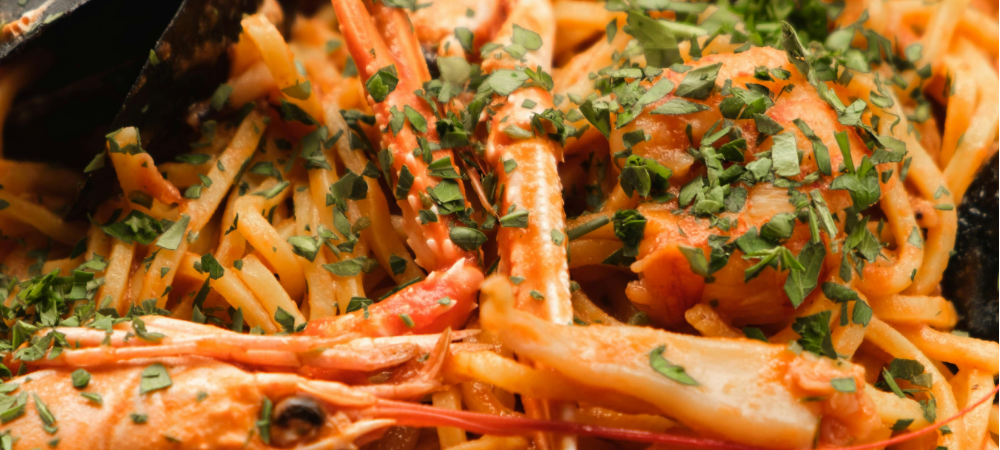
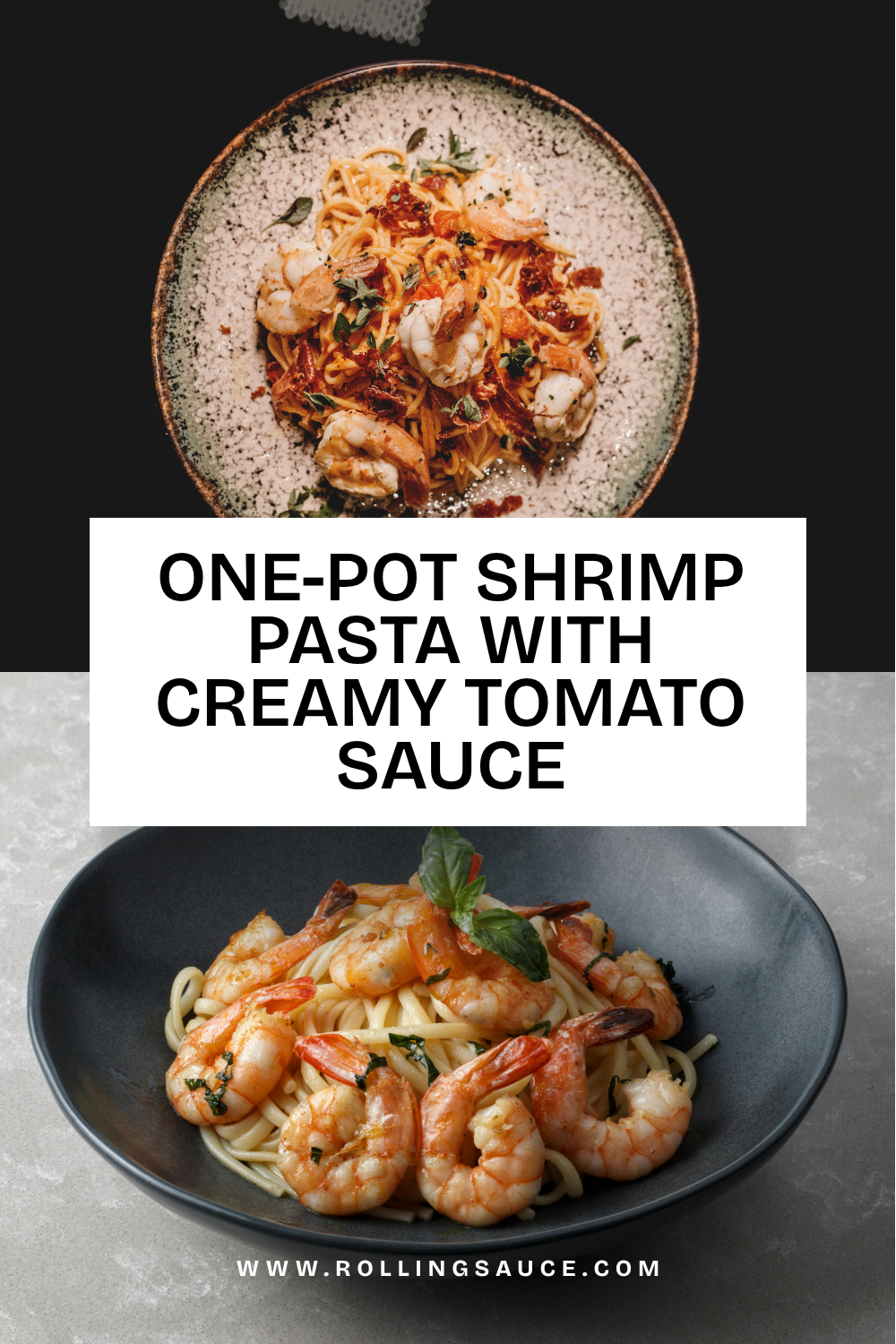
If you’ve got a pound of shrimp, a jar of passata, and about 30 minutes, you can have this on the table — and you’ll only need one pot to do it. This shrimp pasta cooks the noodles directly in a creamy tomato sauce, so by the time everything’s ready, the pasta has soaked up all that garlicky, tomato-rich flavor and the sauce has thickened into something that clings to every strand.
That’s really the whole trick here. Instead of boiling pasta separately and dumping sauce over the top at the end, the pasta goes straight into the simmering tomato broth and finishes cooking right there. It releases starch as it cooks, which thickens the sauce naturally — no flour, no cornstarch, nothing extra to manage. Then a splash of cream and the shrimp go in at the end, and dinner is done.
It’s the kind of one-pot pasta recipes promise to be but don’t always deliver — minimal cleanup, real flavor, and shrimp that actually gets to shine instead of getting lost under a heavy sauce.
There’s also something satisfying about a dinner that doesn’t require much decision-making. One pot goes on the stove, everything goes in roughly the order it’s listed, and within half an hour you’ve got a finished meal without a sink full of pots and a colander to wash. If you’ve been looking for shrimp pasta recipes that don’t turn into a multi-step production, this is the one to bookmark.
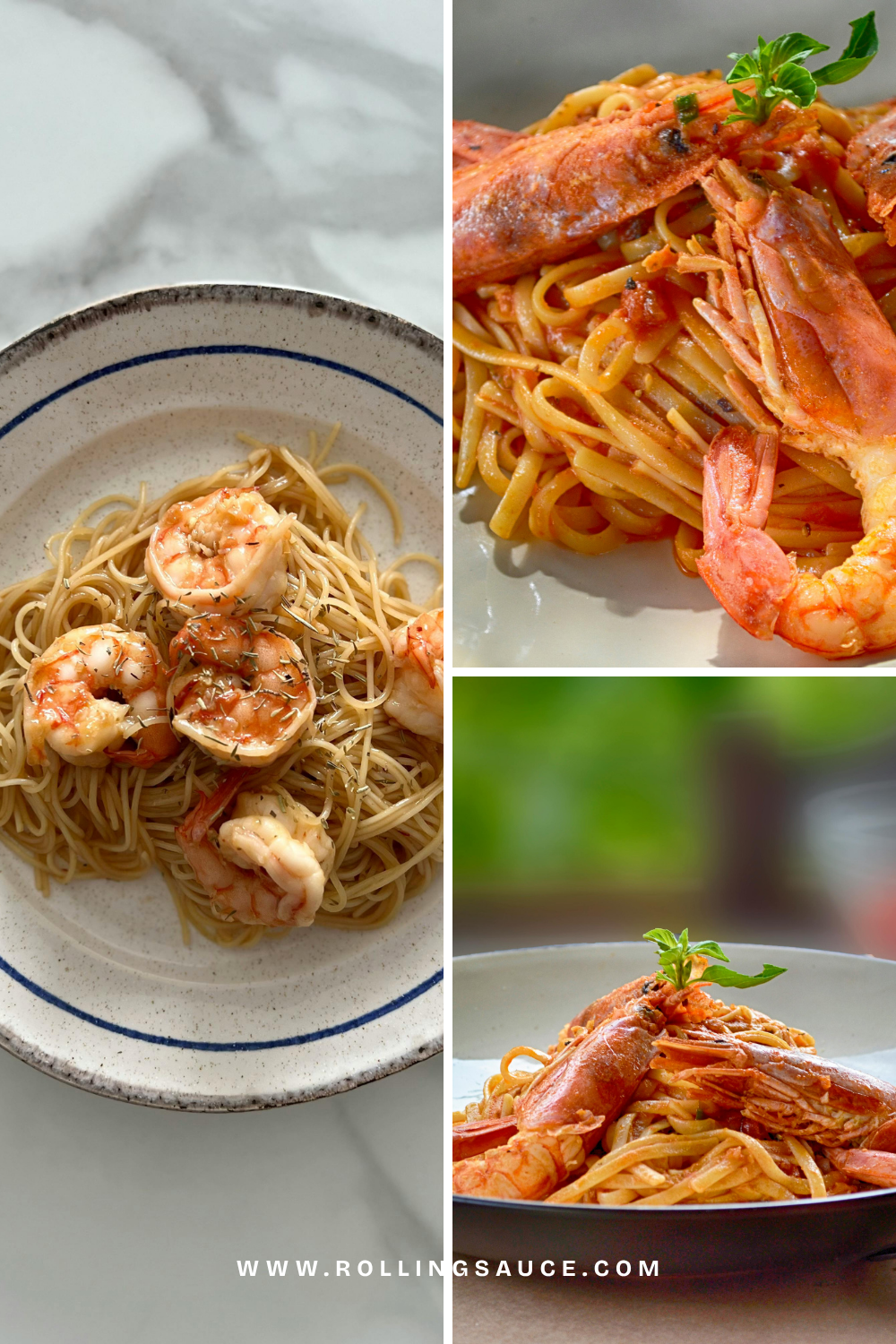
Why Cooking the Pasta Right in the Sauce Works
There’s a reason one-pot pasta has become such a popular format, and it’s not just about the dishes. When pasta cooks in liquid that’s mostly tomato and broth instead of plain salted water, it absorbs that flavor as it cooks rather than just getting coated afterward. Every bite of pasta tastes seasoned, not just the sauce sitting on top of it.
The starch the pasta releases while cooking is doing real work too. As the liquid reduces and the pasta absorbs it, the starch thickens everything into a sauce with body — similar to how a creamy tomato tortellini soup gets its richness without any cream added until the very end. By the time you stir in the heavy cream here, the sauce already has structure; the cream just rounds it out.
And then there’s the shrimp. Because it goes in last, after the pasta is mostly cooked, it spends only a few minutes in the pot — just long enough to turn pink and opaque without overcooking. That timing matters more than people think, and it’s one of the easiest things to get right once you know the order of operations.
This order-of-operations approach is really the whole philosophy behind this recipe. Each ingredient goes in when it’s most useful: aromatics first to build a base, tomato and broth next to create the cooking liquid, pasta to absorb and thicken, and finally cream and shrimp, which need the least time and the most attention. Once you’ve made it once, the rhythm becomes obvious — and it’s a rhythm that works for plenty of other one-pot pasta combinations too.
The Ingredients
Shrimp. Peeled and deveined shrimp keep things simple — no extra prep needed before they go into the pot. Fresh or thawed frozen shrimp both work, as long as they’re patted dry first.
Garlic. Seven cloves sounds like a lot, but it mellows considerably once it cooks in oil and then simmers in the sauce for several minutes. It’s the backbone of the whole dish.
Olive oil. Used to sauté the garlic and build the base of the sauce. A good quality oil makes a noticeable difference here since it’s part of the finished dish, not just a cooking medium.
Tomato paste. Cooked briefly in the oil before the passata goes in, tomato paste deepens the tomato flavor and adds a slightly savory, almost roasted note to the sauce.
Passata. Smooth strained tomatoes form the base of the sauce. Unlike chunky canned tomatoes, passata blends seamlessly with the broth and cream for a consistent texture.
Chicken or vegetable broth. This is what the pasta actually cooks in, alongside the passata. Broth adds a savory depth that water alone wouldn’t provide.
Heavy cream. Stirred in near the end, cream is what turns this from a tomato pasta into a creamy tomato pasta. It mellows the acidity of the tomatoes and gives the sauce a silkier texture.
Balsamic vinegar. Just a small amount, but it adds a touch of sweetness and acidity that balances the richness of the cream and rounds out the tomato flavor.
Fresh basil. Used twice here — the chopped stems go into the sauce early for a subtle herbal background note, while the leaves are stirred in at the end for a fresher, more vibrant flavor and a pop of color.
Pasta. Linguine or spaghetti work well, since their length lets them absorb the sauce evenly as they cook. Any long pasta shape will do.
Cherry tomatoes (optional). Roasted separately in the oven while everything else cooks, these add a sweet, slightly caramelized element on top that contrasts nicely with the smooth sauce underneath.
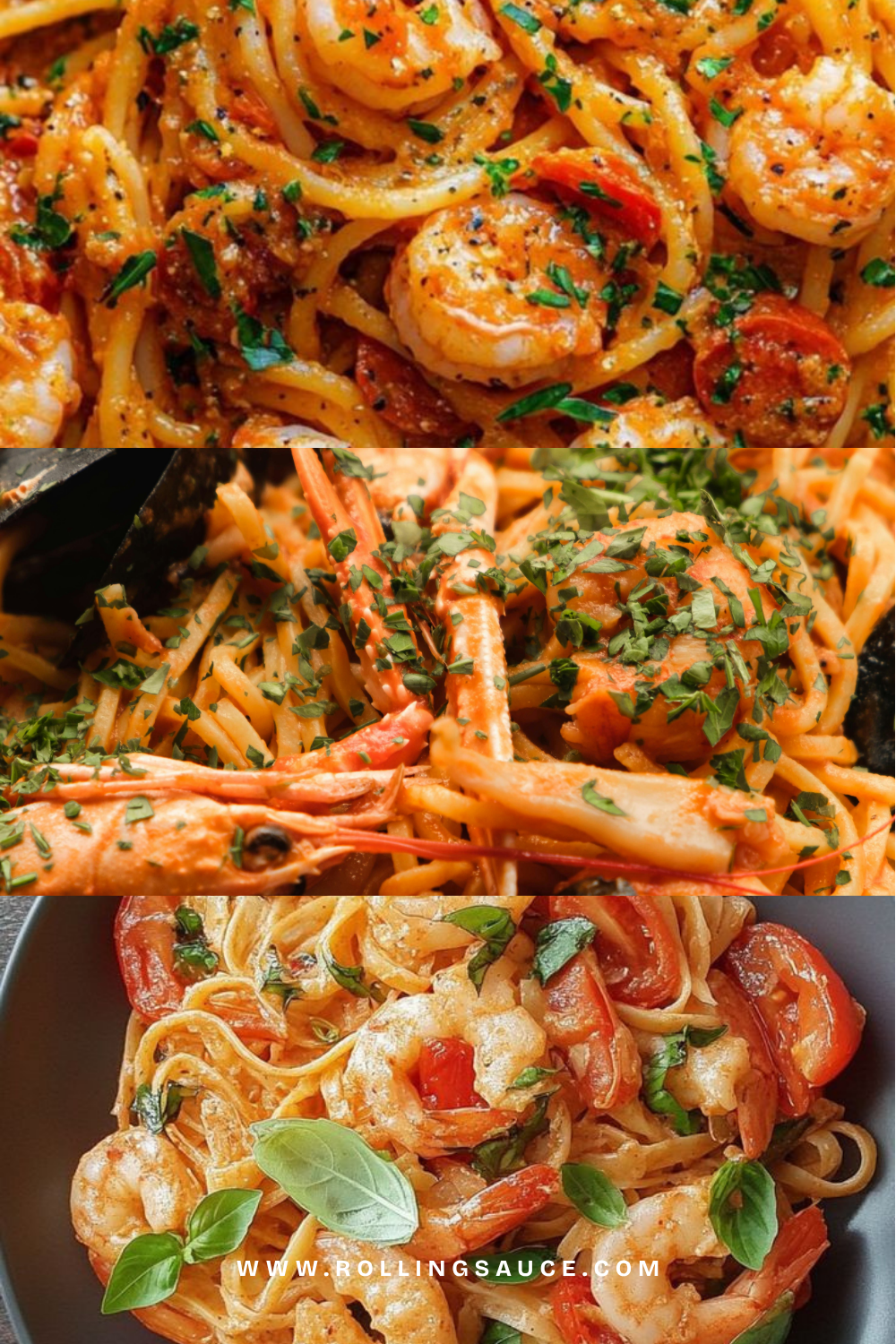
How to Make It
Once you have everything prepped, this comes together quickly — most of the cooking time is hands-off simmering, with just a few minutes of active stirring along the way. If you’re roasting the cherry tomatoes, get the oven going first so it’s ready by the time you start the sauce.
- If you’re making the roasted cherry tomatoes, preheat the oven to 340°F (170°C). Halve the cherry tomatoes and toss them on a parchment-lined baking sheet with olive oil, balsamic vinegar, salt, and pepper. Roast for about 20 minutes while you work on the rest.
- Heat the olive oil in a large, deep pot or skillet over medium heat. Add the minced garlic and cook for about 30 seconds, just until fragrant — don’t let it brown.
- Stir in the tomato paste and cook for about a minute, until it darkens slightly and smells toasted.
- Pour in the passata and broth. Add the balsamic vinegar, chopped basil stems, salt, pepper, and red pepper flakes if using. Stir to combine and bring to a simmer.
- Add the pasta directly to the pot, pushing it down so it’s mostly submerged in the liquid. Cover and simmer for about 10 minutes, stirring every couple of minutes so the pasta doesn’t stick to the bottom or clump together.
- Once the pasta is nearly al dente, stir in the heavy cream. Add the shrimp and cook uncovered for another 4–5 minutes, until the shrimp turn pink and opaque and the pasta is fully cooked.
- Remove from the heat and stir in the chopped basil leaves. Top with the roasted cherry tomatoes if using, and serve with toasted baguette slices on the side.
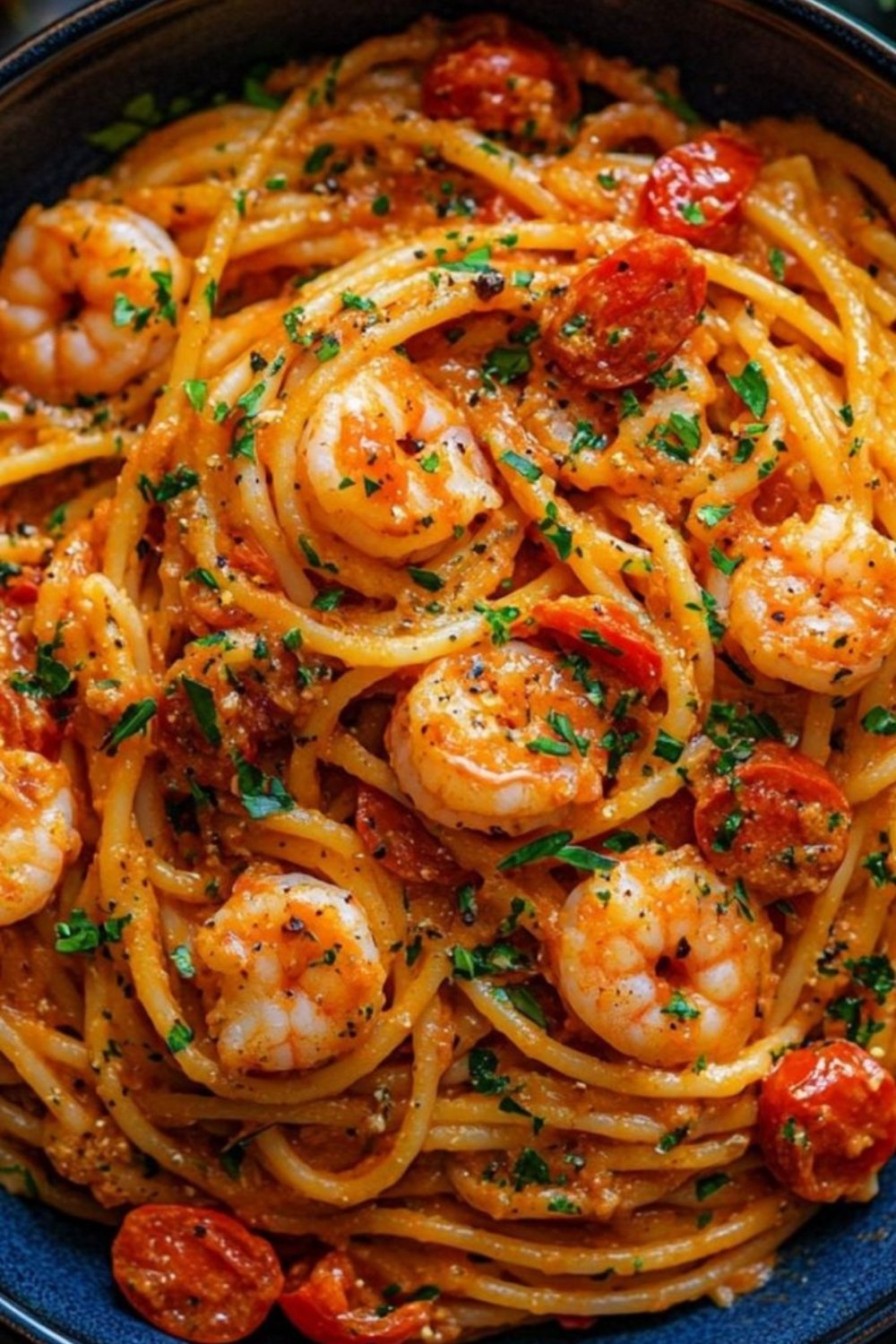

One-Pot Shrimp Pasta With Creamy Tomato Sauce
Ingredients
Method
- If making the roasted cherry tomatoes, preheat the oven to 340°F (170°C). Halve the cherry tomatoes and toss on a parchment-lined baking sheet with olive oil, balsamic vinegar, salt, and pepper. Roast for about 20 minutes.
- Heat the olive oil in a large, deep pot over medium heat. Add the minced garlic and cook for about 30 seconds until fragrant.
- Stir in the tomato paste and cook for about a minute until it darkens slightly.
- Pour in the passata and broth. Add the balsamic vinegar, chopped basil stems, salt, pepper, and red pepper flakes if using. Bring to a simmer.
- Add the pasta directly to the pot, mostly submerged in the liquid. Cover and simmer for about 10 minutes, stirring every couple of minutes to prevent sticking.
- Once the pasta is nearly al dente, stir in the heavy cream. Add the shrimp and cook uncovered for 4-5 minutes, until the shrimp are pink and opaque and the pasta is fully cooked.
- Remove from heat, stir in the chopped basil leaves. Top with roasted cherry tomatoes if using, and serve with toasted baguette.
Notes
- Storage: Keeps in the fridge for up to 2 days. Reheat gently with a splash of broth or cream to loosen the sauce.
- Make ahead: The tomato base (steps 2-4) can be made a day ahead and reheated before adding the pasta. The roasted cherry tomatoes can also be made ahead and reheated or served at room temperature.
- Swap: Any long pasta shape works (spaghetti, fettuccine). Swap heavy cream for half-and-half for a lighter sauce. Add a handful of grated parmesan with the cream for extra richness.
Tips for the Best One-Pot Shrimp Pasta
- Stir more often than you think you need to. Since the pasta is cooking directly in the sauce instead of a big pot of boiling water, it has a much higher chance of sticking to the bottom. Stirring every couple of minutes keeps everything moving and cooking evenly.
- Watch the shrimp shape, not the clock. Shrimp cook fast, and the easiest way to tell they’re done is visual — they should curl into a loose “C” shape and turn opaque pink. If they curl into a tight “O,” they’ve gone too far and will turn rubbery.
- Keep some extra broth on hand. Depending on your pot and pasta shape, the liquid might reduce faster than expected. If the sauce looks too thick before the pasta is done, stir in a splash of warm broth or water to loosen it.
- Pat the shrimp dry before adding them. Excess moisture on the shrimp can water down the sauce right when you want it thickest. A quick pat with a paper towel solves this.
- Don’t skip the basil stems. They might seem like an afterthought, but simmering them in the sauce early adds a subtle depth that’s hard to replicate by only using the leaves at the end.
- Taste before adding more salt. Broth, passata, and parmesan (if you add it) all bring their own salt levels. Taste the sauce after stirring in the cream, then adjust from there.
- Use a wide, heavy-bottomed pot. A wider surface area helps the liquid reduce evenly and gives the pasta more room to cook without clumping together. A heavy bottom also helps prevent scorching during the simmer.
Variations to Try
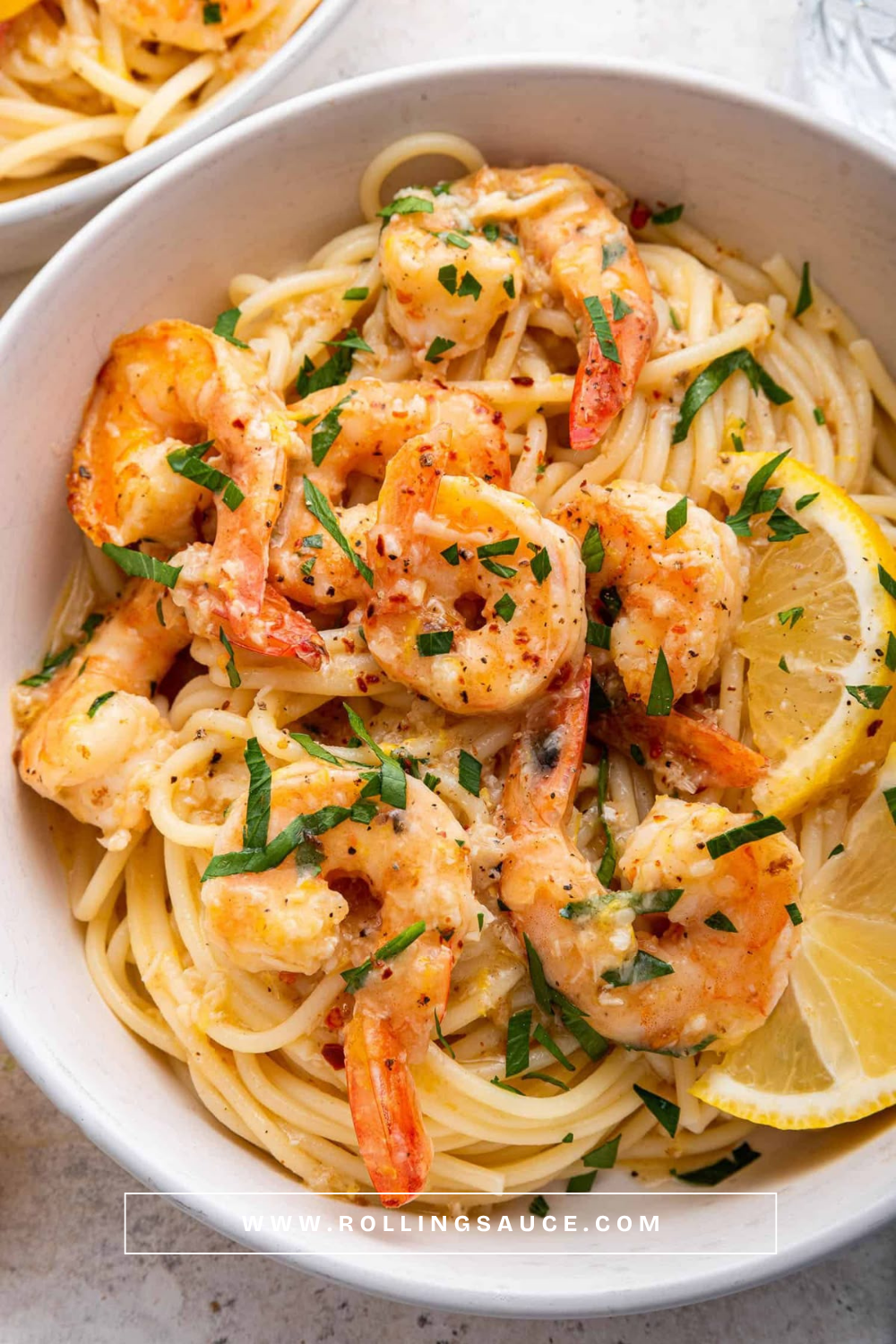
This sauce is easy to adjust depending on what you’re craving or what’s in the fridge.
Make it spicier. A more generous pinch of red pepper flakes, or a few extra shakes than the recipe calls for, gives the sauce a noticeable kick without changing anything else about the method.
Swap the seafood. If shrimp isn’t what you have on hand, this same creamy tomato approach works well with other quick-cooking proteins. The garlic-forward, tomato-cream combination shows up across a lot of marry me chicken pasta-style dishes too, if you’d rather go the chicken route on a different night. For more seafood ideas in general, a rotation of salmon recipes is worth keeping around.
Lighten it up. Swap the heavy cream for half-and-half, or reduce the amount slightly and add a splash more broth. The sauce will be thinner but still have plenty of flavor from the tomato base.
Add greens. A handful of spinach stirred in during the last couple of minutes wilts quickly in the hot sauce and adds some color without any extra steps.
Finish with cheese. A handful of grated parmesan stirred in along with the cream adds extra richness and a slightly salty edge. It’s not essential, but it’s an easy way to make the sauce feel even more indulgent if that’s what you’re after.
What to Serve With It
This pasta is rich enough to be the main event, but a few simple sides round out the meal. Toasted baguette is the obvious choice — it’s perfect for soaking up any sauce left in the bowl, and it’s already part of the recipe if you’re serving it that way.
For something cold and acidic to balance the richness, an Italian pasta salad on the side works surprisingly well, even though it’s also pasta-based — the cold, sharp dressing contrasts nicely with the warm, creamy sauce.
One-Pot Shrimp Pasta FAQ
Can I use frozen shrimp?
Yes, as long as it’s fully thawed first. Thaw frozen shrimp overnight in the fridge, or place it in a colander under cold running water for a quicker thaw. Adding frozen shrimp directly to the pot can release extra water into the sauce and throw off the cooking time.
What if my sauce gets too thick before the pasta is done?
Add more liquid. A splash of warm broth or water stirred in will loosen the sauce right back up. This is more likely to happen with thinner pasta shapes or a smaller pot, since the liquid reduces faster.
Can I make this without the roasted cherry tomatoes?
Absolutely — they’re optional. The base dish is complete without them. They add a sweet, slightly caramelized topping, but skipping them just means one less step and one less pan.
How do I store and reheat leftovers?
Store in an airtight container in the fridge for up to 2 days. Because this is a cream-based sauce with pasta already cooked into it, it can thicken significantly once cold. Reheat gently on the stove with a splash of broth or cream to bring the sauce back to its original consistency.
Can I use a different pasta shape?
Long pasta shapes work best for this method, since they sit in the liquid more evenly than short shapes and tend to absorb the sauce more consistently. Linguine, spaghetti, and fettuccine all work well. If you only have a short shape on hand, it’ll still work — just keep an eye on it, since shorter pasta can sometimes cook a little faster or unevenly in a shallower pot.
This is the kind of dinner that feels like more effort went into it than actually did. One pot, about 30 minutes, and a sauce that builds itself as the pasta cooks. Keep the ingredient list on hand for nights when you want something that tastes like it came from a restaurant kitchen but came together in yours.
Once you’ve got the basic method down, it’s worth keeping in mind for other combinations too — the same approach of building a flavorful liquid, cooking pasta directly in it, and finishing with a quick-cooking protein at the end can be adapted in plenty of directions depending on what’s in the fridge.