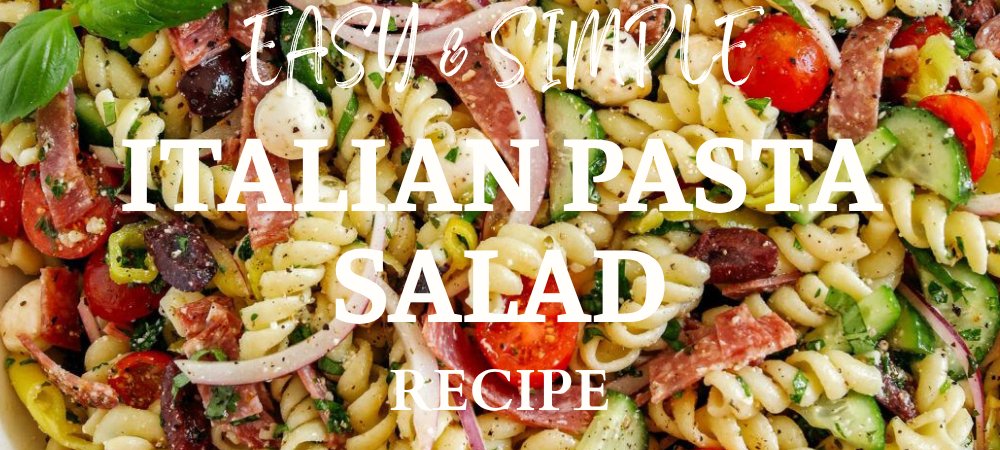
There’s a certain pasta salad that gives the whole category a bad reputation — mushy noodles, watery tomatoes, a dressing that tastes like nothing because it never had a chance to soak in. This isn’t that one.
This Italian pasta salad uses six ingredients you’ve probably got in the kitchen right now, takes about 20 minutes of actual hands-on time, and somehow tastes like more than its short ingredient list suggests. No mayo, no cream, no extra trip to the store. Just bowtie pasta, ripe tomatoes, black olives, fresh basil, garlic, and a sharp lemon-olive oil dressing doing most of the heavy lifting.
If you’ve been burned by pasta salad recipes that taste like cold noodles with a few sad vegetables on top, this one is worth the 20 minutes. It’s also one of the easiest quick summer dinner recipes to keep in rotation when it’s too hot to think hard about dinner.
There’s also something to be said for a recipe that doesn’t ask much of you on a grocery run. Bowtie pasta, tomatoes, olives, basil, garlic, lemon, and olive oil — that’s the entire list, and most of it probably overlaps with what you already keep stocked. No specialty cheese, no jarred sauce, no last-minute trip to track down one odd ingredient. Just pasta and pantry basics, treated with a little bit of care.
Why This Pasta Salad Tastes Rich With Almost Nothing in It
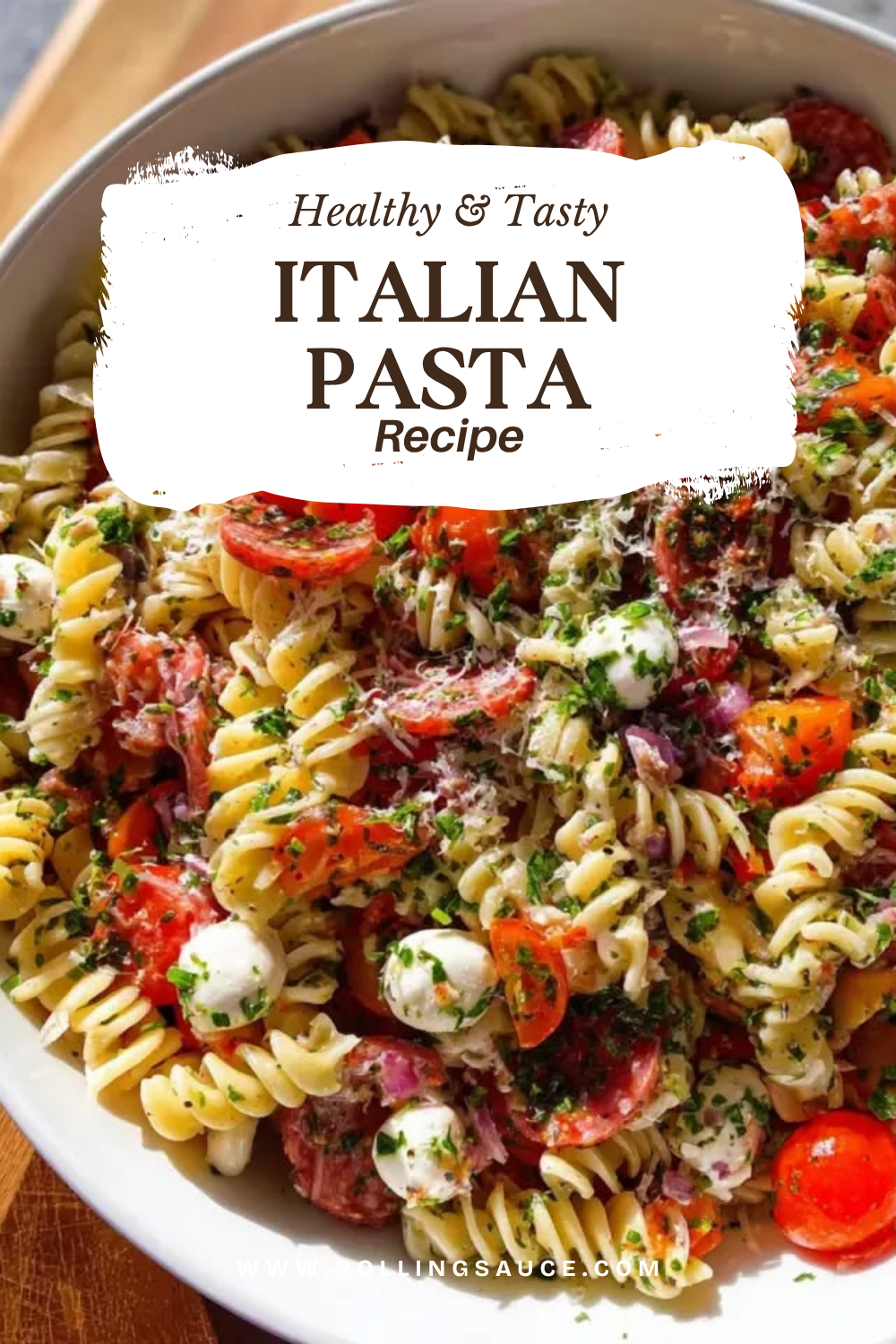
Here’s the thing about short ingredient lists: they only work if every single ingredient is pulling its weight. That’s exactly why this one holds up. Six ingredients, and somehow nothing about it tastes dry or like an afterthought — which, honestly, is the whole reason I keep coming back to it.
A good chunk of that comes down to the pasta water. Salting it well means the pasta gets seasoned from the inside before anything else even touches it. America’s Test Kitchen has a good breakdown of why this step matters so much — pasta cooked in under-salted water tastes like background noise no matter what you put on top of it, while properly salted pasta tastes like food on its own.
Then there’s the dressing, which is really just lemon juice, olive oil, crushed garlic, salt, and pepper. Tossed with pasta that’s still slightly warm, that dressing doesn’t just sit on the surface — it gets absorbed. The diced tomatoes add their own juice to the mix as everything sits together, the olives bring little bursts of brininess, and the basil cuts through with something green and sharp.
Put it all together and you get a pasta salad that’s seasoned all the way through, not just on top. That’s the trick. Six ingredients, but every one of them is doing something, and the resting time does the rest.
It’s also why I’d push back a little on the idea that “simple” recipes are automatically lesser. A long ingredient list can hide a lot of sins — if one component is bland, three others can cover for it. A short list doesn’t have that luxury. Everything has to earn its place, and when it does, the results can taste more focused than a dish with twice as many components competing for attention.
The Ingredients
Bowtie pasta (farfalle). The folds and ridges in this shape hold onto dressing better than a smooth noodle would, so every bite gets some. Any short pasta shape works here — rotini, penne, and shells are all good substitutes. Avoid anything too small, like orzo, since it tends to get lost among the chunkier ingredients.
Tomatoes. Use the ripest ones you can find. The flesh gets diced small, and as it sits in the salad, it releases juice that becomes part of the dressing. This is one of those ingredients where quality really shows.
Black olives. Sliced and scattered throughout, they add salt and a briny pop that balances the sweetness of the tomatoes. Whole pitted olives work best here — pre-sliced ones tend to be softer and less flavorful.
Fresh basil. Torn or roughly chopped, basil is the herb that makes this taste distinctly Italian rather than just “pasta with vegetables.” Don’t skip it, and don’t chop it too finely — you want visible flecks of green throughout.
Olive oil. This is the base of the dressing, so a decent bottle matters more here than it would in a recipe where the oil is just for cooking. You’ll taste it directly, so use something you’d be happy to dip bread in.
Lemon juice. The acid that brightens everything and keeps the dish from tasting flat. Fresh-squeezed is worth it if you have a lemon on hand — bottled juice works in a pinch, but the difference is noticeable.
Garlic. Crushed and mixed right into the dressing, it gives the whole salad a sharp, savory backbone that ties the tomatoes, olives, and basil together.
How to Make It
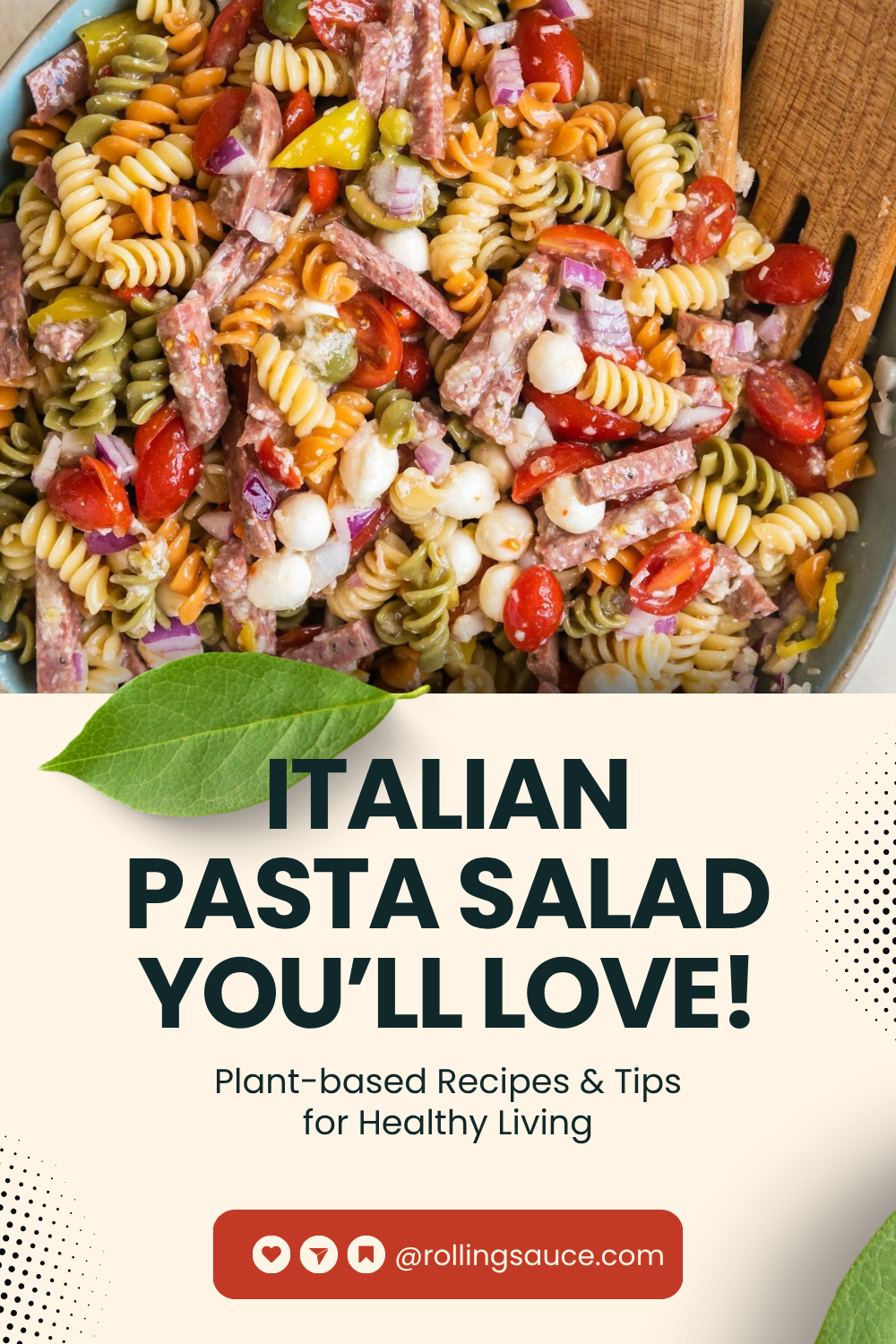
None of these steps are complicated on their own — the only real trick is doing them roughly at the same time so everything comes together while the pasta is still warm. Get your water going first, then use the boiling time to prep everything else.
Cook the Pasta
- Bring a large pot of water to a rolling boil and salt it generously — this is your only chance to season the pasta itself.
- Add the pasta and cook until al dente, using the package timing as a guide.
- Drain the pasta and let it cool slightly in a wide bowl. Don’t rinse it — the residual starch and warmth help it soak up the dressing later.
Prep the Mix-Ins
- While the pasta cooks, cut the tomato flesh into small dice.
- Slice the black olives into thin rounds.
- Roughly chop or tear the basil leaves.
Make the Dressing and Toss It All Together
- In a small bowl, whisk together the olive oil and lemon juice with the crushed garlic, salt, and pepper.
- Combine the slightly cooled pasta with the diced tomatoes, sliced olives, and basil in a large bowl.
- Pour the dressing over everything and toss until evenly coated.
- Taste and adjust the seasoning. If you have time, refrigerate for at least an hour before serving — it gets better the longer it sits.
Tips for the Best Italian Pasta Salad
- Salt the pasta water like you mean it. This is the one step that affects every other ingredient in the bowl. Under-salted pasta water means under-seasoned pasta, and no amount of dressing fully makes up for it later.
- Skip the rinse. Rinsing cooked pasta washes away the surface starch that helps dressing cling, and it cools the pasta down too fast. A little warmth and starch is exactly what you want here.
- Cut the tomatoes and olives to a similar size. This isn’t just about looks — when everything is roughly the same size, you get a balanced bite of pasta, tomato, and olive every time instead of one ingredient dominating.
- Give it time to sit. Even 30 minutes in the fridge makes a difference, but an hour or two is better. The flavors meld, the pasta finishes absorbing the dressing, and the whole salad tastes more cohesive.
- Re-season right before serving. Cold pasta tends to dull flavor slightly, so taste again before you bring it to the table and add a pinch more salt or a squeeze of lemon if it needs it.
- Bring it closer to room temperature before serving. Straight-from-the-fridge pasta salad tastes muted — the olive oil firms up and the flavors retreat. Pull it out about 15–20 minutes before you plan to eat, and everything opens back up.
Variations to Try
This pasta salad is built to be a base, so don’t feel locked into the exact six ingredients if you want to switch things up.
Add protein. Cubed mozzarella, crumbled feta, or shredded rotisserie chicken all work well stirred in right before serving. If you want to go further, grilled shrimp or sliced grilled chicken turns this from a side dish into a full dinner.
Go Greek. Swap the black olives for kalamata, add diced cucumber and thinly sliced red onion, and crumble feta over the top. It starts to look a lot like a cucumber salad crossed with pasta, and the combination works.
Switch up the base entirely. If pasta isn’t what you’re after, a lot of the same flavors — tomato, olive oil, garlic, fresh herbs — show up in broccoli salad too, which makes a good rotating side if you want some variety on the table.
Play with the herbs. Basil is the classic choice here, but a mix of basil and fresh oregano or a handful of torn mint leaves both work if that’s what’s on hand. The goal is something fresh and green to cut through the richness of the olive oil — the exact herb is more flexible than you’d think.
Make-Ahead, Storage, and Serving Suggestions
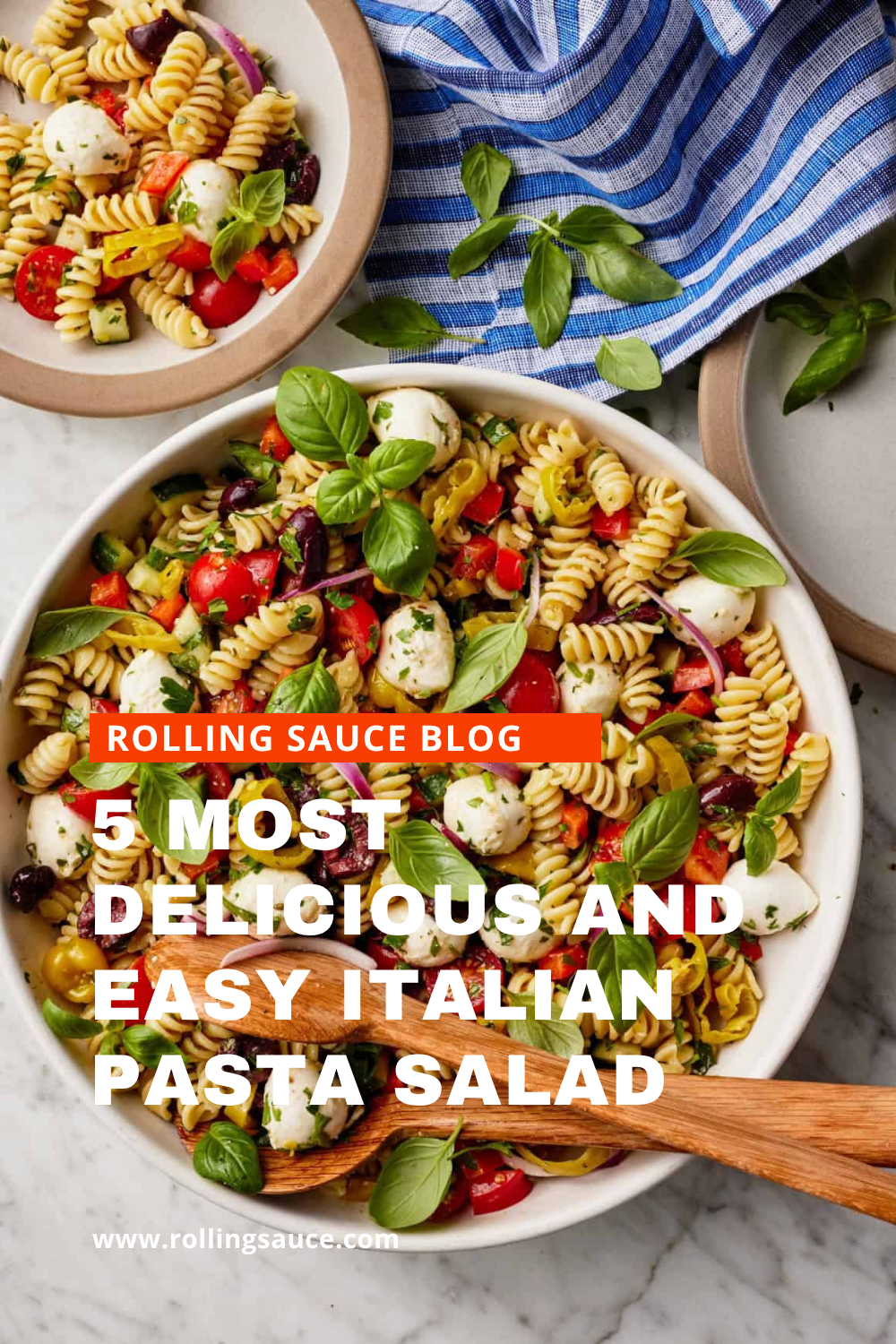
Make it ahead. This is one of those rare dishes that’s better the next day. Make it up to 24 hours in advance and let it sit in the fridge — the flavors only get deeper as everything marinates together.
If you’re prepping for a gathering or just want to save time on a busy week, you can chop the tomatoes, slice the olives, and whisk the dressing the night before, then store them separately from the cooked pasta. Combine everything within an hour or two of serving for the best texture.
Storage. Keep leftovers in an airtight container in the fridge for up to 3 days. The pasta will continue soaking up the dressing as it sits, so if it looks a little dry after a day or two, a small drizzle of olive oil and a squeeze of lemon brings it right back.
What to serve it with. On its own, this makes a solid light lunch or side dish. For a full dinner, pair it with something protein-heavy — marry me chicken pasta on one end of the table and this cold salad on the other covers both comfort and freshness in one meal. It’s also a natural match for grilled salmon if you’re after something lighter.
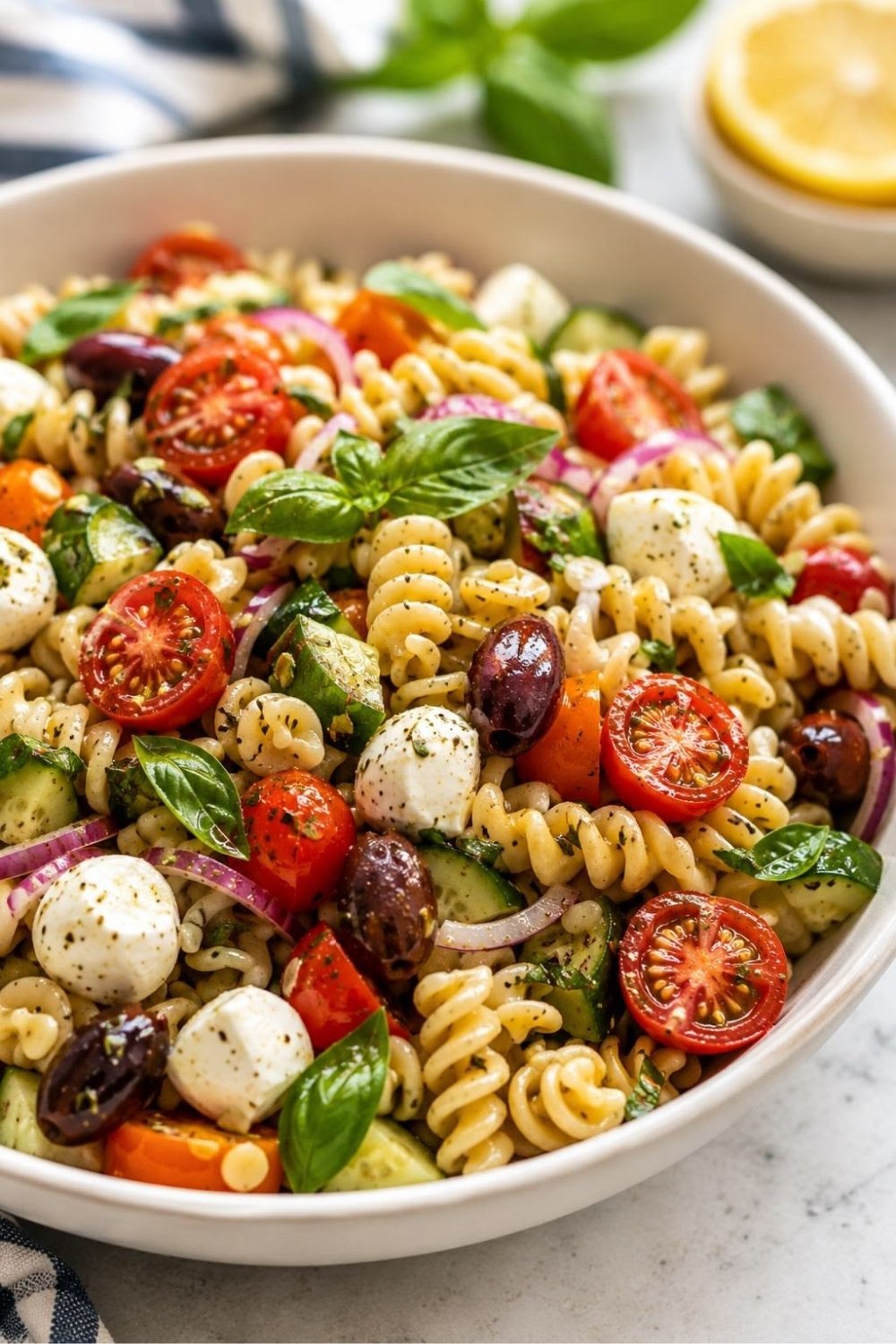

Simple Italian Pasta Salad
Ingredients
Method
- Bring a large pot of water to a rolling boil and salt it generously. Add the pasta and cook until al dente, following the package timing. Drain and let cool slightly in a wide bowl — don’t rinse.
- While the pasta cooks, dice the tomato flesh into small cubes, slice the black olives into thin rounds, and roughly chop or tear the basil leaves.
- In a small bowl, whisk together the olive oil and lemon juice with the crushed garlic, salt, and pepper.
- Combine the slightly cooled pasta with the diced tomatoes, sliced olives, and basil in a large bowl. Pour the dressing over everything and toss until evenly coated.
- Taste and adjust the seasoning. Refrigerate for at least 1 hour before serving if you have time — it gets better the longer it sits.
Notes
- Storage: Keeps in an airtight container in the fridge for up to 3 days. Refresh with a drizzle of olive oil and a squeeze of lemon if it dries out.
- Make ahead: Make up to 24 hours in advance. For best texture, prep the tomatoes, olives, and dressing separately and combine with the pasta within 1-2 hours of serving.
- Swap: Any short pasta shape works (rotini, penne, shells). Swap basil for oregano or mint. Add mozzarella, feta, shredded chicken, or shrimp for a heartier meal.
Italian Pasta Salad FAQ
What’s the best pasta shape for this salad?
Bowtie pasta (farfalle) works well because its folds hold dressing in place, but almost any short shape does the job — rotini, penne, shells, and fusilli are all good substitutes. Long noodles like spaghetti tend not to hold up as well in a cold salad, since they clump together once chilled.
Do I need to rinse the pasta after cooking?
No — skip the rinse. Rinsing removes the surface starch that helps the dressing cling to the pasta and cools it down before it has a chance to absorb anything. Just drain it and let it cool slightly on its own before tossing everything together.
Can I make this pasta salad ahead of time?
Yes, and it’s actually better that way. Make it up to a day in advance and keep it in the fridge. The extra time lets the flavors come together, and the pasta finishes absorbing the dressing for a more even bite.
What can I add to make it more filling?
Protein is the easiest addition. Cubed mozzarella, crumbled feta, shredded chicken, or grilled shrimp all turn this from a side dish into something closer to a full meal. A handful of arugula or baby spinach also adds bulk without much extra effort.
Why does my pasta salad taste bland even with the dressing?
It usually comes down to one of two things: the pasta water or the resting time. If the pasta itself wasn’t seasoned while it cooked, the dressing has to do all the work, and it usually can’t. The other common culprit is serving it too soon — give the salad at least 30 minutes to sit so the dressing has time to soak in rather than just coating the surface.
This is the pasta salad I reach for when I want something that tastes put-together without much effort behind it. Six ingredients, about 20 minutes, and a dressing that does more work than it has any right to. Make a full batch — it holds up well in the fridge, and it’s just as good for lunch the next day as it is fresh off the counter.
If this one becomes a regular in your kitchen the way it has in mine, it’s worth keeping the basic formula in mind even when you’re out of one ingredient or another. Good pasta, salted water, a sharp acidic dressing, something briny, something fresh and green — get those five things right, and the exact details can flex depending on what’s in the fridge.