
Spaghetti squash is one of those ingredients that sounds more complicated than it is. You cut it, cook it, and fork it into strands that look like pasta, taste like mild squash, and pick up whatever sauce or seasoning you put on them.
The reason it’s worth knowing three different methods is that each one fits a different situation. The oven gives you the best flavor — slightly caramelized at the cut edge, with a deeper, more roasted quality to the flesh. The microwave is for Tuesday nights when you forgot to plan dinner. The Instant Pot splits the difference: oven-quality results in about a third of the time.
Once you know all three, you stop thinking of spaghetti squash as a project and start reaching for it as a reliable weeknight option. It keeps for days in the fridge, works in everything from simple marinara bowls to meal-prepped lunches, and costs considerably less than a bag of zucchini noodles that goes limp in an hour.
This post covers all three methods, how to pick and prep the squash, how to get the best strands, and what to do with it once it’s cooked.
How to Choose and Prep a Spaghetti Squash
Choosing the right squash sets everything else up.
Look for a squash that’s uniformly pale yellow or golden — no green patches, which indicate the squash was picked before it was fully ripe. The skin should feel hard and firm when you press on it, not at all soft or yielding. Any soft spots mean it’s past its prime. A good spaghetti squash will feel heavy for its size.
Size matters for cooking time. A 3 to 4 pound squash is ideal for most home kitchens — small enough to halve and manage, large enough to yield 4 servings. Squash over 5 pounds will need more time in the oven and is harder to handle safely when cutting.
Cutting the squash: This is the part people dread, and it does require a sharp, heavy knife and some care. Trim off both ends first, which gives you stable flat surfaces to work with. Stand the squash upright on one cut end and slice straight down through the center from top to bottom. If the squash feels too hard to cut cleanly, pierce it all over with a fork and microwave for 3–4 minutes to soften the skin slightly before cutting.
Removing the seeds: Scoop out the seeds and loose stringy fibers from the center of each half with a large spoon. The seeds can be saved, rinsed, and roasted with salt and oil for a snack — same as pumpkin seeds.
Why the Cooking Method Matters
Spaghetti squash can come out beautifully or disappointingly depending on how you cook it, and the method changes the outcome in specific ways.
Oven roasting produces the best texture and flavor. Cooking the squash cut-side down on a hot sheet pan allows the cut surface to caramelize slightly in the dry heat, which adds depth and a subtle sweetness that the other methods don’t produce. The strands are also more distinct and less watery — the dry heat evaporates moisture rather than trapping it.
Microwave cooking is fast and practical, but the steam environment means the squash absorbs more moisture. The strands are slightly softer and less defined. For recipes where the squash is getting a flavorful sauce spooned over it, the difference is barely noticeable. For recipes where the squash strands need to hold texture — like a cold squash bowl or a stuffed squash — the oven result is meaningfully better.
Instant Pot cooking falls between the two. It’s steam-cooked under pressure, so the strands are tender and well-developed, but without the flavor from direct heat. It’s the best compromise when time matters and you want consistent results.
According to Healthline, spaghetti squash is one of the lower-calorie winter squash options, with about 40 calories per cooked cup — making it a genuinely useful ingredient for lighter meals, not just a trend.

Method One: The Oven (Best Flavor and Texture)
This is the method to default to when you have 45 minutes. The result is superior to the other two in nearly every measurable way.
Temperature: 400°F. High enough to get a little caramelization on the cut surface, not so high that the edges char before the center cooks through.
Cut-side down: This is non-negotiable. Placing the squash cut-side up in the oven means the exposed flesh dries out and can toughen at the edges while the center stays underdone. Cut-side down traps the steam inside the squash while the cut edge browns gently against the hot pan.
Time: 35–45 minutes depending on size. Check at 35 minutes by pressing on the skin — if it yields easily, the squash is done. A fork or knife inserted through the skin should meet no resistance. Smaller squash (under 3 lbs) will be done closer to 30 minutes; larger squash (over 4 lbs) may need up to 50 minutes.
Resting: Let the cooked squash sit for 5 minutes before flipping and shredding. This allows the internal steam to finish the cooking and makes the strands easier to release cleanly.
To shred: flip the squash cut-side up and use a fork to rake from the outer edge toward the center in short, parallel strokes. The strands will pull away from the skin in long, pasta-like ribbons.
What You’ll Need
For any method:
- 1 medium spaghetti squash (3–4 lbs)
- 1 tablespoon olive oil (oven method)
- ½ teaspoon kosher salt
- ¼ teaspoon black pepper
For the Instant Pot method, you also need:
- 1 cup water (for the pressure-cook liquid)
That’s the core prep list. What you do with the cooked strands — sauce, cheese, protein, herbs — is entirely up to you and not part of the basic cooking process.


Roasted Spaghetti Squash (Oven Method)
Ingredients
Method
- Preheat oven to 400°F. Line a baking sheet with parchment paper.
- Trim both ends off the squash. Stand upright and cut in half lengthwise from top to bottom. Scoop out the seeds and loose fibers with a large spoon.
- Brush the cut sides with olive oil. Season with salt and pepper.
- Place both halves cut-side DOWN on the prepared baking sheet.
- Roast for 35–45 minutes until the skin yields when pressed firmly and a fork slides through the flesh with no resistance.
- Remove from the oven and rest for 5 minutes. Flip cut-side up and use a fork to rake the flesh from the outer edge toward the center, separating into long strands.
- Serve immediately or use in your recipe of choice.
Notes
- Microwave method: Cut in half lengthwise, remove seeds. Place cut-side down in a microwave-safe dish with ½ inch of water. Microwave on high for 8–12 minutes until fork-tender. Rest 5 minutes before shredding.
- Instant Pot method: Add 1 cup water to the insert and place trivet inside. Set squash halves cut-side up on the trivet. Cook on high pressure for 7 minutes. Natural release for 5 minutes, then quick release. Rest and shred.
- Storage: Shredded strands keep in an airtight container in the fridge for up to 5 days.
- Longer strands tip: Cut the squash crosswise (across the equator) rather than lengthwise to produce longer, more spaghetti-like strands.
Method Two: The Microwave (Fastest Option)
When you have 15 minutes instead of 45, the microwave delivers a fully cooked spaghetti squash that’s perfectly usable.
The setup: Cut the squash in half lengthwise and remove the seeds. Place both halves cut-side down in a microwave-safe baking dish. Add ½ inch of water to the bottom of the dish — this creates steam that cooks the squash evenly from the inside without drying out the flesh.
Time: Microwave on high for 8–12 minutes, depending on the size of the squash and the power of your microwave. Check at 8 minutes by carefully lifting a corner and inserting a fork into the flesh. If it slides in easily, it’s done. If there’s resistance, continue in 2-minute intervals until the fork goes through without effort.
Handling: The dish and squash will be very hot — use oven mitts when removing from the microwave. Let the squash rest for 5 minutes before flipping and shredding. The resting time matters; the steam inside continues to soften the flesh and makes it easier to separate into strands cleanly.
The trade-off: Microwave squash is slightly wetter than oven-roasted. If you’re using it for a dish where moisture matters — like a stuffed squash you plan to fill and put back in the oven — spread the shredded strands on a clean kitchen towel and press gently to remove excess water before using.

Method Three: The Instant Pot (Pressure-Cooked in Under 20 Minutes)
The Instant Pot method produces a result close to oven-roasted in a fraction of the time — about 20 minutes from start to finish including the time to come to pressure.
The setup: Pour 1 cup of water into the Instant Pot insert and place the metal trivet inside with the handles pointing upward. Cut the squash in half lengthwise, remove the seeds, and place both halves cut-side up on the trivet. They’ll likely need to be arranged slightly overlapping or one on top of the other, depending on the size of the squash and your pot.
Time: Lock the lid and set the valve to Sealing. Cook on high pressure for 7 minutes. When the cycle completes, allow a natural pressure release for 5 minutes, then switch to quick release to vent the remaining pressure.
Checking doneness: After quick release and once the pin drops, remove the lid and test the squash with a fork. The flesh should shred easily. If it still has some resistance, close the lid and add 2–3 more minutes on high pressure with a quick release.
Whole squash option: Some Instant Pot users cook the squash whole — poke it all over with a fork, place it on the trivet, and cook at high pressure for 12 minutes. This avoids the challenge of cutting a raw, hard squash, but requires more careful handling when removing the hot squash from the pot to cut it open.
Tips for the Best Strands Every Time
- Fork direction matters. Always rake the flesh from the outside edge toward the center, following the natural direction the strands want to pull. Raking across the strands breaks them into shorter pieces.
- Don’t overcook. Spaghetti squash that’s overdone produces mushy strands that clump together rather than separating cleanly. Pull the squash from the heat while it still has a very slight firmness — carryover heat will finish it.
- Pat strands dry before saucing. All three methods produce some moisture in the strands. A quick press between paper towels or a clean kitchen towel removes surface moisture and lets the sauce cling better rather than sliding off.
- Season the squash before cooking, not only after. Salt and pepper on the cut surface before it goes in the oven (or a pinch on the flesh before the microwave) seasons the strands from the inside out. Seasoning only at the end produces a surface-only flavor.
- Longer strands: cut the squash across the equator instead of lengthwise. Cutting crosswise rather than top-to-bottom produces strands that run the full circumference of the squash — much longer noodles, closer to actual spaghetti. The trade-off is that the halves are smaller and cook slightly faster.
How to Serve Spaghetti Squash
The most approachable use is the simplest: cooked strands with marinara sauce and Parmesan. The squash doesn’t pretend to be pasta — it has its own flavor and a slightly softer texture — but it works beautifully as a base for tomato-based sauces.
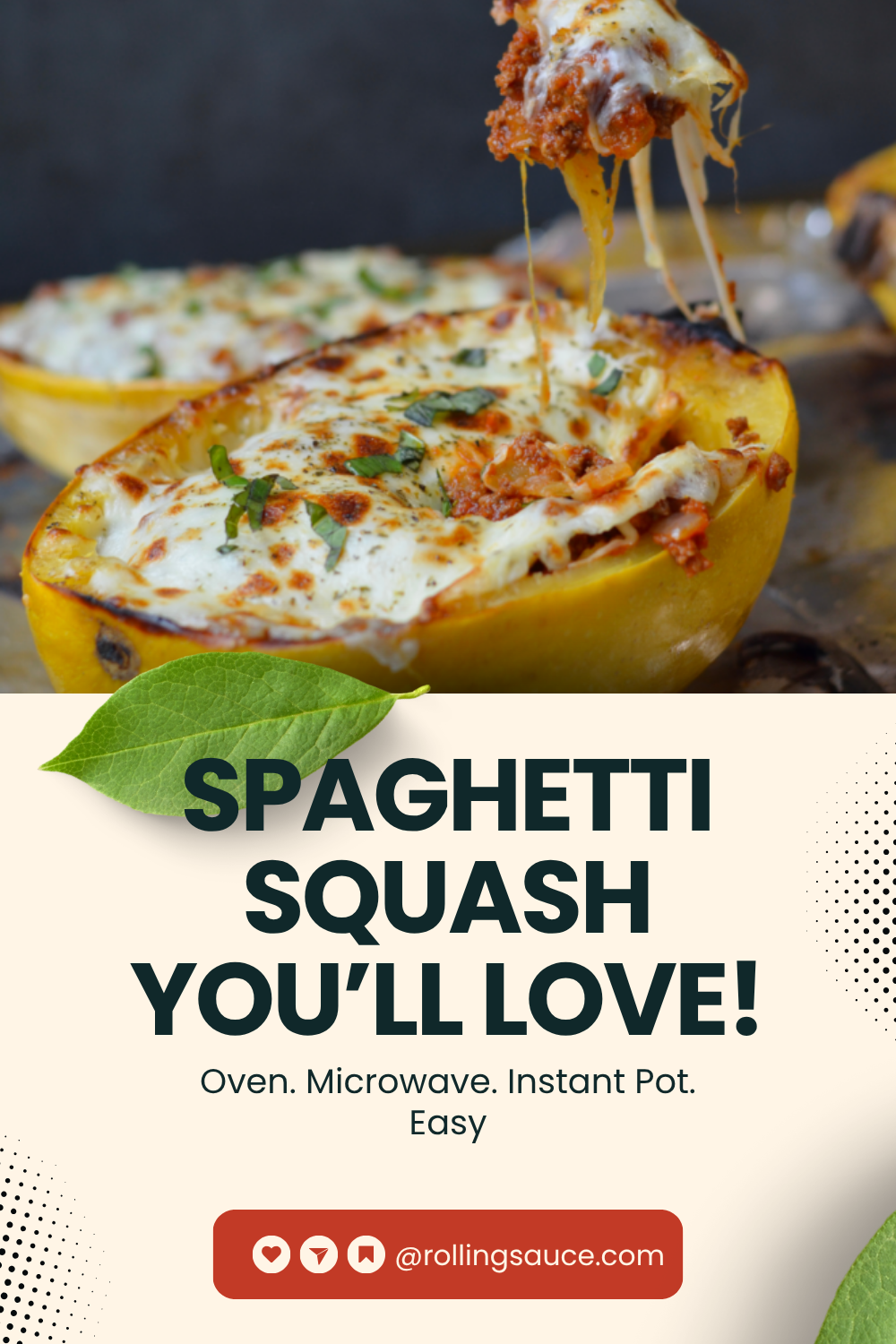
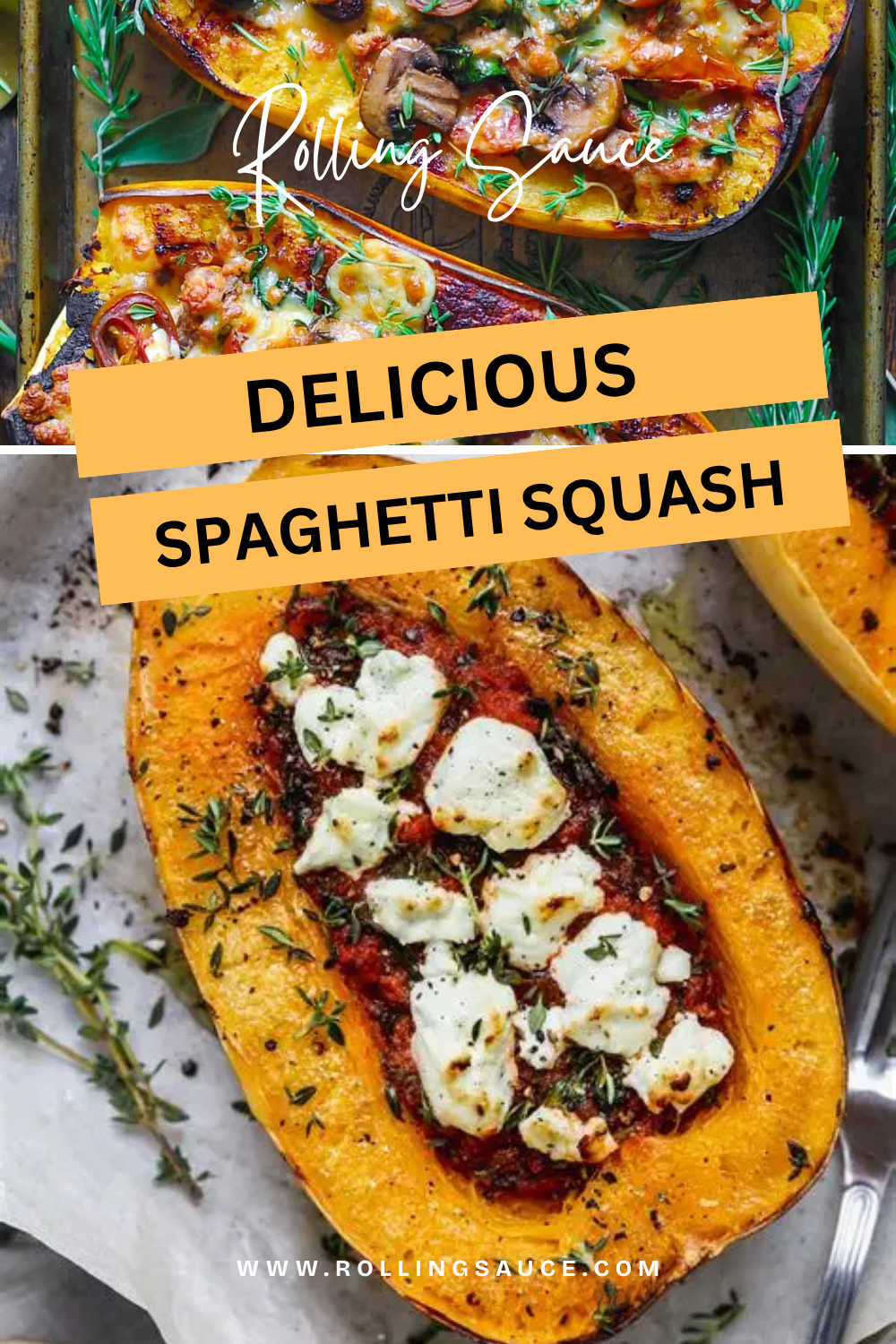
Stuffed in the shell: Toss the shredded strands back into the squash halves with marinara, sautéed vegetables, ground meat, or cheese and run the whole thing under the broiler for 3–5 minutes until bubbling and lightly browned. This is the presentation in most of the images here and makes an impressive weeknight dinner with minimal cleanup.
In a bowl with sauce: Treat the strands exactly like you’d use pasta. Marry Me Chicken Pasta is one of the better dishes to ladle over spaghetti squash strands — the creamy tomato sauce clings well and the pairing is genuinely satisfying.
Cold in a salad. Cooked, cooled strands hold up well at room temperature and work as a pasta substitute in cold salads with olive oil, vinegar, and fresh vegetables.
For a quick weeknight dinner, spaghetti squash fits right into a lineup of quick dinner recipes — especially in fall when squash is abundant and you want something light that still feels like a real dinner.
Frequently Asked Questions
How do I know when spaghetti squash is done? The most reliable test: insert a fork into the thickest part of the flesh. If it slides through with no resistance and the strands begin to separate, it’s done. If there’s any drag, it needs more time. The skin should also yield slightly when you press it firmly.
Can I cook spaghetti squash whole? Yes — either pierce it all over with a fork and microwave it (10–15 minutes, turning once halfway), or do the same and roast it in the oven at 375°F for 60–90 minutes. Whole cooking eliminates the challenge of cutting raw squash but makes it harder to season the interior. Once cooked, cut in half carefully — it will be very hot and steam will escape.
Why are my strands watery or mushy? Two possible causes: overcooked, or not drained after cooking. Spaghetti squash holds steam even after you shred it. For any preparation where texture matters, spread the shredded strands on paper towels and press lightly before using. For stuffed squash preparations especially, draining the strands is important.
How long does cooked spaghetti squash keep? Shredded strands keep in an airtight container in the refrigerator for up to 5 days. This makes it one of the better meal-prep vegetables — cook a whole squash on Sunday and use the strands in different preparations throughout the week.
Storing and Getting Ahead
Cooked spaghetti squash strands store well. Once shredded and cooled to room temperature, transfer to an airtight container and refrigerate for up to 5 days. Reheat in a skillet over medium heat with a splash of water or oil — this revives the texture better than the microwave, which can make the strands slightly gummy.
Whole, uncooked spaghetti squash keeps at room temperature for 1–2 months in a cool, dry place — longer than almost any other vegetable in the kitchen. Once cut, store unused halves wrapped tightly in plastic wrap in the fridge for up to 4 days before cooking.
If meal prep is part of your routine, cook a full squash, shred all the strands, and store them divided into portions. A scoop of strands into a bowl with whatever sauce you have on hand takes less than 5 minutes on any given night — making it one of the more practical ingredients you can keep ready in the fridge alongside a quick and healthy dinner rotation.