
This taco soup takes about ten minutes of actual involvement — browning meat on the stovetop, or just crumbling raw ground beef into the crockpot if you want to go fully hands-off. Everything else is opening cans and dumping them in. Canned beans, canned corn, Rotel, diced tomatoes, taco seasoning, broth. Stir. Walk away. Come back to a pot of soup that has no business tasting as good as it does given how little work went into it.
The crockpot version runs on low while you’re out, which means dinner is literally sitting there waiting when you walk in the door. The stovetop version is thirty minutes, start to finish, for the nights when the crockpot isn’t an option. Both produce the same result: a thick, smoky, slightly spicy broth with ground beef, tender beans, sweet corn, and enough taco flavor that people forget it started with seasoning packets.
The toppings are what finish it. Pile on shredded cheese, sour cream, sliced avocado, crushed tortilla chips, cilantro, a lime wedge — whatever you have. That’s where the “taco” in taco soup actually lives. It also keeps in the fridge for four days and gets better as it sits, which makes it one of those rare dinners that’s worth making a big batch of on purpose.
Why This Works as Both a Crockpot and Stovetop Dinner
Most recipes do one or the other. This one genuinely works both ways because the flavor is built entirely from canned goods and seasoning, not from slow-developing aromatics or long reduction. The taco seasoning and Rotel carry most of the work — the heat just melds everything together and gives the broth time to thicken.
Crockpot version: The long, low heat softens the beans further and lets the flavors fully merge. If you brown the beef first, the soup is richer and has more developed meat flavor. If you skip the browning (true dump-and-go), the beef still cooks through and the soup is still good — just slightly less layered. For a six-quart crockpot, four to six hours on low is the sweet spot. The beauty of the crockpot version is that you get a hot, finished dinner without being near the kitchen when it happens.
Stovetop version: Brown the beef, drain the fat, add everything else, simmer for twenty to twenty-five minutes. The shorter cook time means the flavors don’t get as deeply integrated, but the higher heat compensates and the result is still fully satisfying. This is the version for a weeknight when you didn’t remember to start the crockpot in the morning. It also lets you monitor and adjust the consistency in real time — something you can’t do in a slow cooker mid-cycle.
Both methods work with the same ingredient list, which means you only need one recipe in your head. The stovetop version also allows for easier last-minute adjustments — add more broth if it’s too thick, simmer uncovered if it’s too thin. Once you’ve made this a few times, the whole thing becomes muscle memory.
What You’ll Need
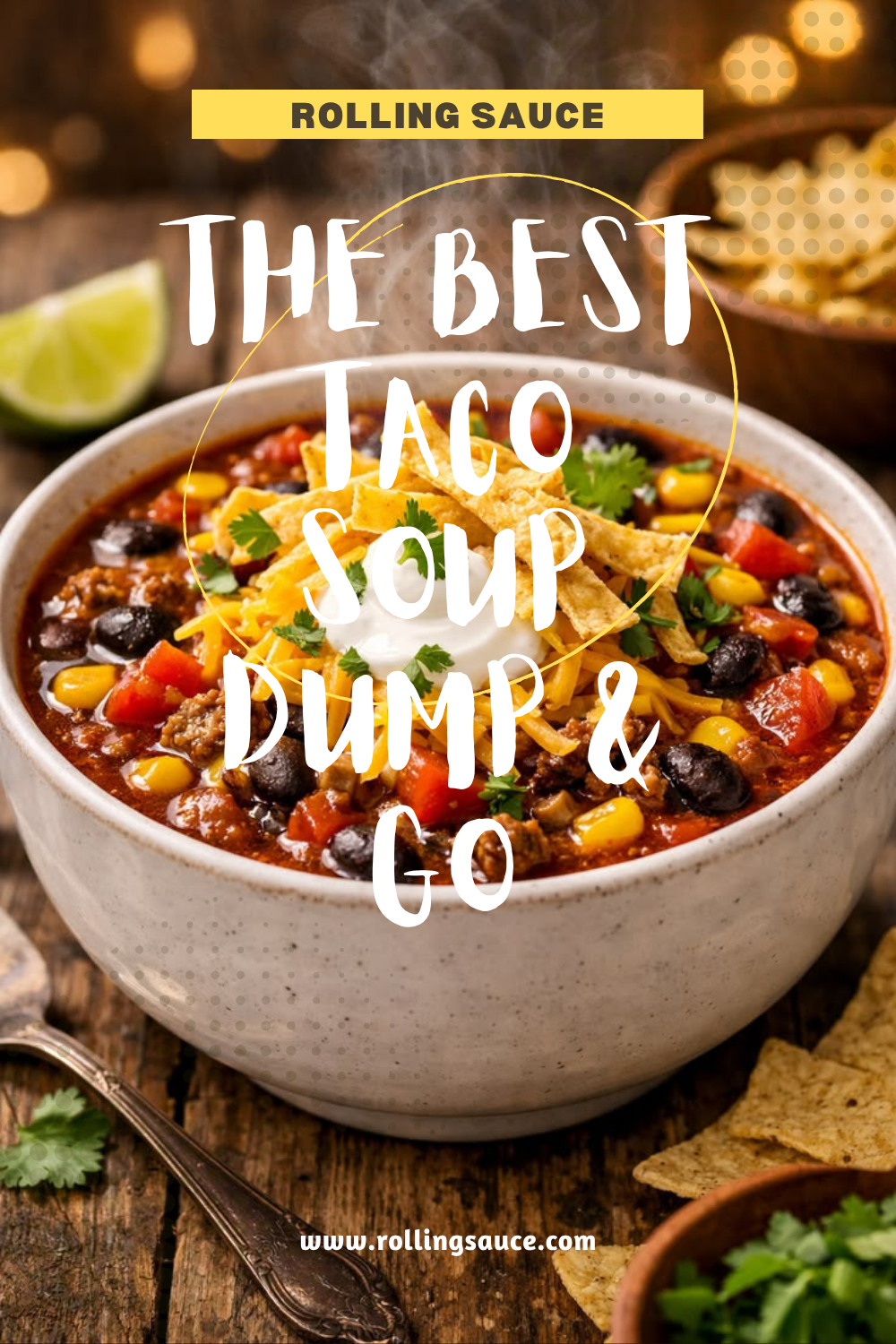
The ingredient list is almost entirely shelf-stable, which is one of the reasons taco soup is worth keeping in your regular rotation. Most of it can live in the pantry until you need it.
The meat: Ground beef is the classic choice — lean enough that you don’t end up with a greasy broth, but with enough fat to give the soup richness. An 85/15 blend is what I use. Ground turkey is a solid swap if you want something lighter; for tips on getting the most flavor out of turkey, my easy ground turkey recipes cover the key techniques. For a completely different take, shredded rotisserie chicken can go in at the end — if that’s the direction you want, my shortcut dinners using rotisserie chicken will give you ideas for other ways to use it the same week.
The canned goods: Black beans and pinto beans together give you variety in texture and flavor. One can of Rotel (diced tomatoes with green chiles) does more flavor work per ounce than almost any other ingredient in this recipe — the green chiles add a low, earthy heat without making the soup spicy. If you want more fire, grab the original or hot Rotel. Corn adds sweetness that balances the salt in the seasoning packets.
The seasoning: One packet of taco seasoning and one packet of ranch dressing mix. The ranch might seem odd, but it adds a creamy, herby depth that rounds out the taco spice without making the soup taste like salad dressing. This combination is what shows up in every viral version of taco soup for a reason — it works. If you prefer to skip the packets and season from scratch, use two teaspoons of chili powder, one teaspoon each of cumin and garlic powder, half a teaspoon of onion powder, and a pinch of cayenne — plus the herbs from a homemade ranch blend (dried dill, parsley, chives). The packet version is more convenient; the from-scratch version gives you more control over sodium.
Optional cream cheese: If you stir four ounces of cubed cream cheese in during the last thirty minutes of crockpot cooking (or off the heat on the stovetop), the broth transforms into something rich and almost silky. This is worth trying at least once — it turns a brothy taco soup into something closer to the creamy version you’d see at a restaurant.

How to Make Dump-and-Go Taco Soup
Both methods start from the same ingredient list. The difference is timing and whether you brown the meat.
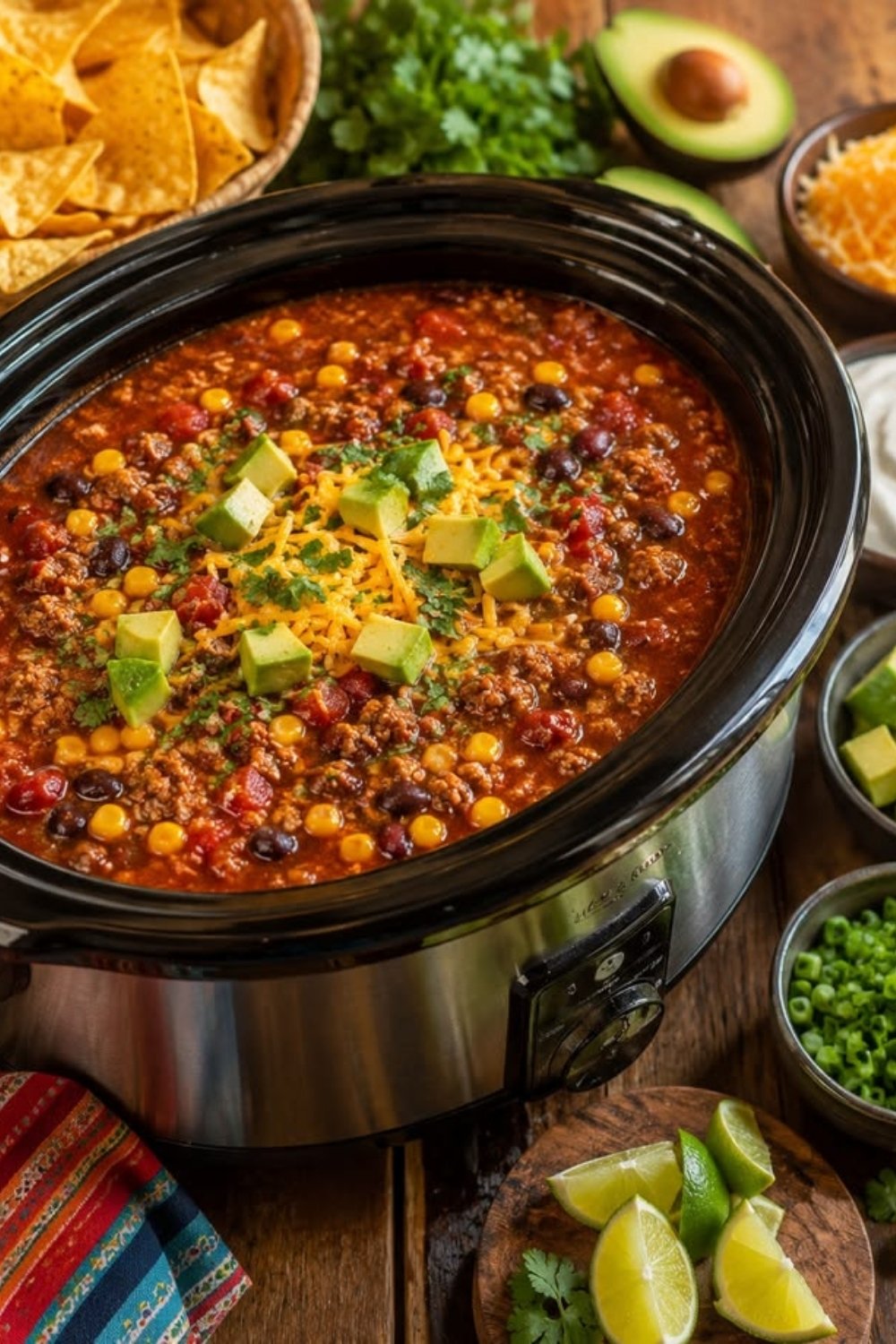

Dump-and-Go Taco Soup
Ingredients
Method
- In a large Dutch oven or pot over medium-high heat, brown the ground beef with onion and garlic, breaking up the meat as it cooks. Drain excess fat.
- Add taco seasoning, ranch dressing mix, both cans of beans, corn, Rotel, diced tomatoes, and broth. Stir to combine.
- Bring to a boil, then reduce heat to medium-low and simmer uncovered for 20–25 minutes, stirring occasionally, until flavors have melded and broth has thickened slightly.
- If using cream cheese, stir in cubed cream cheese off the heat until fully melted and incorporated.
- Serve with desired toppings.
- Brown ground beef with onion and garlic in a skillet; drain fat. (For true dump-and-go: skip browning and add raw crumbled beef directly to the crockpot.)
- Add all soup base ingredients to the crockpot. Stir to combine.
- Cook on LOW for 4–6 hours or HIGH for 2–3 hours.
- If using cream cheese, stir in cubed cream cheese during the last 30 minutes of cooking on LOW. Stir until fully incorporated.
- Serve with desired toppings.
Notes
- Storage: Refrigerate in a sealed container for up to 5 days. Flavor
improves overnight. Reheat over medium-low, adding a splash of
broth if the soup has thickened in the fridge. - Freeze: Cool completely, then freeze in portions for up to 3 months.
Thaw in the fridge overnight and reheat on the stovetop. - Swap: Substitute rotisserie shredded chicken for ground beef (no
browning required — just add to the pot). Use kidney beans or
white beans instead of pinto. Use low-sodium seasoning packets
and broth to reduce salt. - To thicken: Simmer stovetop uncovered for an extra 10 minutes, or leave
crockpot lid slightly cracked for the last hour. - To thin: Add up to 1 cup more broth.
Tips, Variations, and Make-It-Your-Own Swaps
- Skip the browning if you need to. The true dump-and-go version goes straight from your hands into the crockpot — raw beef, all the canned ingredients, seasoning, broth. Break the beef into smaller chunks before adding it, and it will cook through in the crockpot without needing to be pre-browned. The flavor is slightly less deep, but on a genuinely exhausted night, it absolutely works.
- Adjust the thickness. This soup comes out thick — almost chili-like — because the liquid from the canned tomatoes and beans adds volume without thinning the broth too much. If you want a brothier soup, add an extra half cup to a full cup of broth. If it comes out thinner than you like, simmer uncovered for ten to fifteen minutes on the stovetop or leave the crockpot lid cracked for the final hour.
- Make it vegetarian. Leave out the meat entirely and add an extra can of beans (black, pinto, or kidney). The seasoning and tomatoes carry the soup on their own. You’ll want to use vegetable broth instead of beef broth.
- Spice it up. Add a teaspoon of chipotle powder or a diced canned chipotle pepper in adobo sauce for a smoky heat that’s different from the straight chili powder in the taco seasoning.
- Freeze it. Taco soup freezes extremely well. Let it cool completely, then transfer to zip-lock bags or containers in individual portions. It keeps for up to three months. Reheat on the stovetop over medium-low, adding a splash of broth to loosen it back up.
For another crockpot soup that operates on the same low-maintenance logic, my crockpot white chicken chili runs the same set-and-forget format with a completely different flavor profile — creamy, white bean-based, and just as low-effort.
The Toppings Are Half the Recipe
Taco soup with no toppings is soup. Taco soup with good toppings is dinner. The difference matters more here than in almost any other recipe, because the base is intentionally mild and neutral enough to take whatever direction you give it at the table.
The essentials: Shredded sharp cheddar (or a Mexican cheese blend) gets slightly melty when it hits the hot broth. Sour cream cools the heat and adds creaminess — stir it into the broth rather than leaving it in a dollop if you want a richer, slightly thickened bowl. Crushed tortilla chips on top give you crunch and make the whole bowl feel like a taco in soup form. These three alone are enough to make it feel complete.
The upgrades: Diced avocado adds creamy richness and a cooling effect that plays well against the smoky seasoning. A squeeze of lime brightens everything and cuts through the salt of the seasoning packets — don’t skip it, even if you forget everything else. Fresh cilantro if you like it; diced red onion for a little sharp bite. Sliced jalapeño if you want more heat than the soup already has. Sliced green onions are a quick alternative to fresh cilantro with a milder flavor.
The set-up: Put the toppings out in small bowls and let everyone build their own. This works especially well if you’re feeding a table with different heat preferences — the soup base is moderately spiced, and everyone can take it from there. Kids can keep it plain with just cheese and chips; adults can load it up with jalapeño and lime. If you’re serving this alongside other ground beef dishes, my quick ground beef recipe roundup has a few weeknight ideas that pair well with the same topping spread.
Frequently Asked Questions
Can I make this in an Instant Pot? Yes. Use the sauté function to brown the beef and onion, then drain the fat. Add all remaining ingredients, seal the lid, and cook on high pressure for 10 minutes. Quick-release the pressure. Stir before serving. The Instant Pot version produces a slightly more compressed flavor than the crockpot, but it’s ready in under thirty minutes total if you count the pressurize time.
How long does taco soup keep in the fridge? Stored in a sealed container, it keeps for four to five days in the refrigerator. The flavor is actually better on day two — the spices have more time to settle into the broth. Reheat in a saucepan over medium-low or in the microwave, adding a splash of water or broth if it’s thickened too much overnight.
Can I use dried beans instead of canned? Technically yes, but you’d need to either soak and pre-cook them before adding to the recipe, or use the crockpot for a significantly longer time on low (eight-plus hours for unsoaked dried beans). Canned beans are the right call here — they keep the dump-and-go premise intact, they’re already seasoned with the broth they’re packed in, and they produce a soup that’s just as good as anything made with dried beans for this type of recipe.
What’s the best size crockpot for this recipe? A five- or six-quart slow cooker gives you the right amount of space for the full recipe without overflow risk. A four-quart will work but will be quite full; don’t exceed four quarts for this ingredient volume or it may not heat evenly. If you’re doubling the recipe for a crowd, a seven- or eight-quart slow cooker handles it well with room to spare.
Can I use chicken broth instead of beef broth? Yes. Chicken broth is lighter and produces a slightly cleaner-tasting soup. Beef broth adds more depth and richness. Either works fine with the taco and ranch seasoning combination — the seasoning packets are doing most of the heavy lifting on flavor regardless of which broth you choose.
Does taco soup taste better the next day? Consistently, yes. Like most spiced soups and chilis, the broth develops more cohesion overnight as the seasoning fully incorporates into the liquid. If you’re making this for a gathering, the soup on day two or three is notably richer than the soup straight from the pot. Make it ahead when you can.
How do I make this less salty? The taco and ranch packets are both sodium-heavy. To reduce the saltiness: use low-sodium versions of both packets, rinse and drain the beans before adding (rather than including the canning liquid), and use low-sodium broth. Skip adding any additional salt during cooking and taste before adjusting at the end. The finished soup should be well-seasoned from the packets alone.
Ten minutes of work, a bowl full of dinner. That’s the whole pitch. Whether you’re setting this up at 8am in the crockpot or throwing it together at 6pm on the stovetop, the result is worth every bit of the minimal effort it asks for.
Save this one for the next time the week gets away from you.