Five minutes of actual effort the night before. A jar in the fridge. Grab it on the way out. And because of the way chia seeds work — which turns out to be genuinely interesting science — what you pull out in the morning is a thick, creamy, legitimately filling breakfast that somehow came from just seeds and milk stirred in a jar. I’ve tried every make-ahead breakfast there is, and this is the one I keep coming back to. Here’s why it works, and the exact recipe I use every week.
Why Chia Pudding Actually Sets Overnight (The Science Worth Knowing)
This is the part that surprised me when I first started making chia pudding, because it genuinely looks like magic: you stir seeds into liquid, put it in the fridge, and six hours later it’s pudding. No heat, no cooking, no thickening agents. Just seeds.
What’s happening is entirely natural. Each chia seed is coated in a layer of soluble fiber called mucilage — a complex carbohydrate structure that’s highly hydrophilic, meaning it has an extremely strong chemical attraction to water molecules. When the seeds hit liquid, the mucilage swells outward and forms a three-dimensional gel network around each seed, trapping liquid inside and turning the whole mixture into something thick and spoonable. A single chia seed can absorb up to twelve times its own weight in liquid through this process.
This isn’t just a texture trick. The same mucilage that makes the pudding creamy is soluble fiber, which slows digestion and moderates how quickly your body processes the carbohydrates in everything else you eat with it. That’s a significant part of why chia pudding keeps you full: the fiber gel does the work of slowing things down. It’s a similar mechanism to overnight oats — both use cold soaking, both result in a slow-digesting breakfast — but chia pudding requires less prep and no cooking at all.
The process is also sensitive to ratio and timing. Too few seeds and the pudding stays soupy; too many and it firms up past creamy into something more like a rubber ball. The overnight window hits the sweet spot: the seeds have had enough time to fully hydrate and distribute, but not so long that the texture becomes stiff. Get the ratio right and the timing right, and the result is consistent every single time.
The Right Ratio (This Is What Most Recipes Get Wrong)
The number one reason chia pudding fails is the wrong seed-to-liquid ratio. Too much liquid and you end up with seedy milk instead of pudding. Too little and it sets up into a thick, dense block.
The ratio that works consistently: 3 tablespoons of chia seeds per 1 cup of milk. That’s the floor for a proper pudding texture. If you like it a little thicker — which I do — go to 3½ tablespoons. For a looser, drinkable texture, drop to 2½. The fat content of the milk also affects thickness: full-fat coconut milk makes the richest, creamiest result; thin almond or oat milk sets softer and lighter.
The other technique that matters is the double-stir. Mix the seeds into the milk, let it sit for ten minutes, then stir again. This second stir breaks up any clumps that have started to form and redistributes the seeds before the gel sets. Skip it and you end up with pockets of dry seeds or lumps of gel. One extra stir ten minutes in, and the final texture is smooth throughout.
What You’ll Need
The base
- 3 tablespoons chia seeds
- 1 cup milk of choice (canned full-fat coconut milk for the creamiest result; almond, oat, or whole dairy milk all work)
- 1 tablespoon maple syrup or honey
- ½ teaspoon vanilla extract
- Pinch of kosher salt
The salt is optional, but it does something important: it rounds the flavor of the seeds, which are slightly bitter and grass-forward on their own. A small pinch doesn’t make the pudding taste salty — it just makes it taste more like something than nothing.
Toppings (choose any combination)
- Fresh berries (strawberries, raspberries, blueberries — any of these)
- Granola
- Sliced almonds or chopped walnuts
- A drizzle of honey or extra maple syrup
- A spoonful of nut butter
Full quantities are in the recipe card below.

Overnight Chia Seed Pudding
Ingredients
Method
- Combine the milk, maple syrup, vanilla, and salt in a jar or bowl. Stir until the sweetener is fully dissolved.
- Add the chia seeds and stir well until all seeds are submerged and evenly distributed.
- Let the mixture sit for 10 minutes, then stir again to break up any clumps that have started to form.
- Cover tightly and refrigerate for at least 4 hours, ideally overnight (8 hours gives the best texture).
- In the morning, stir once more. If the pudding is thicker than you’d like, stir in a splash of milk.
- Top with fresh berries, granola, nuts, and a drizzle of honey. Eat directly from the jar or transfer to a bowl.
Notes
- Storage: Keep refrigerated, covered, for up to 5 days without toppings. Add crunchy toppings just before eating.
- Make ahead: Scale to 4 jars for the full week — 12 tbsp chia seeds to 4 cups milk, divided into 4 jars.
- Swap: For chocolate chia pudding, add 1 tbsp unsweetened cocoa powder to the base. For coconut mango, use full-fat coconut milk, add a pinch of turmeric, and top with fresh mango and toasted coconut.
How to Make Chia Seed Pudding
Pour the milk into a jar or bowl and add the maple syrup, vanilla, and salt. Stir or whisk until combined — you want the sweetener fully dissolved before the seeds go in. Add the chia seeds and stir well, making sure every seed is submerged and no dry seeds are sitting on top. Let the jar sit on the counter for ten minutes, then stir again, paying attention to the bottom where seeds tend to clump. At this point, the mixture should already look slightly thicker.
Cover the jar tightly and refrigerate for at least four hours, though overnight is the better option — the texture at four hours is good but slightly looser, and by morning it’s noticeably thicker and more set. If you’re making this for the week, a single batch with the full recipe scales to about four jars: prep four small mason jars on Sunday, stir the base together, divide it equally, and every breakfast through Thursday is already handled. The pudding keeps refrigerated for up to five days. Add toppings each morning right before eating so the granola stays crunchy. If you’re cooking for just one person, even two jars on Sunday night covers most of the week and cuts the morning decision down to “which toppings.”
Tips for Getting the Texture Right
- Use a fork, not a whisk. A fork distributes the seeds without trapping air bubbles in the mixture, which can make the top layer foam slightly.
- If your pudding didn’t set, the seeds may be old. Chia seeds past their expiration date lose absorbency and won’t gel properly. Check the date and buy a fresh bag if the pudding is still runny after 8 hours.
- Add fruit in layers, not mixed in from the start. Stirring fruit directly into the pudding releases juice and can make the texture runny. Keep them on top or in a separate layer so they stay separate until you eat.
- Cold milk thickens more slowly than room temperature milk. If you want a pudding that sets in two hours rather than overnight, let the milk come to room temperature first.
- Make the base plain and customize by the jar. Mix one big batch of unflavored chia pudding, pour into individual jars, and flavor each one differently — vanilla in one, a teaspoon of cocoa powder in another, matcha powder in a third. Four flavors, one mixing session.
- If the pudding is too thick the next morning, stir in a splash of milk and it loosens back up immediately.
- For a creamier texture across the board, use half canned coconut milk and half regular dairy or almond milk. The coconut milk adds fat and richness without making the flavor overtly tropical, and the final texture is noticeably more spoonable.
Flavor Variations Worth Trying
The vanilla base in the recipe is the most versatile starting point, but chia pudding is one of those recipes where the flavor direction can shift completely with just one or two added ingredients. Here are the versions I make most often.
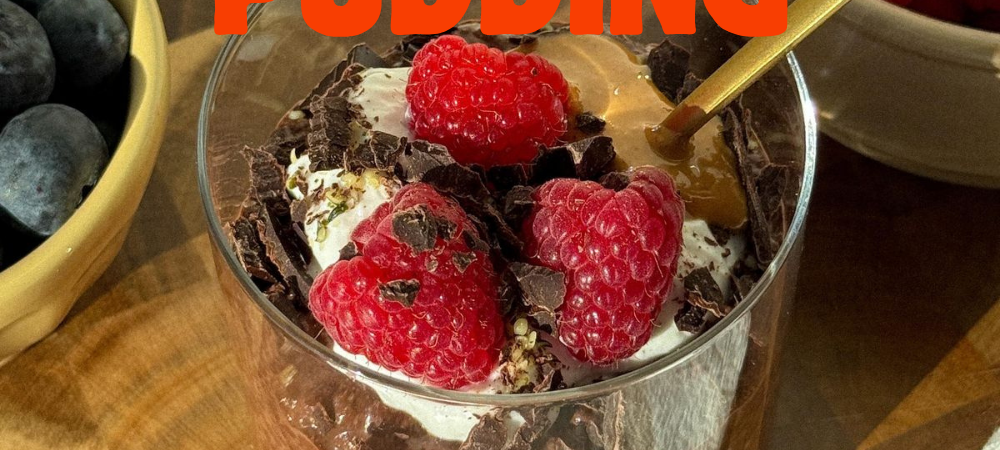
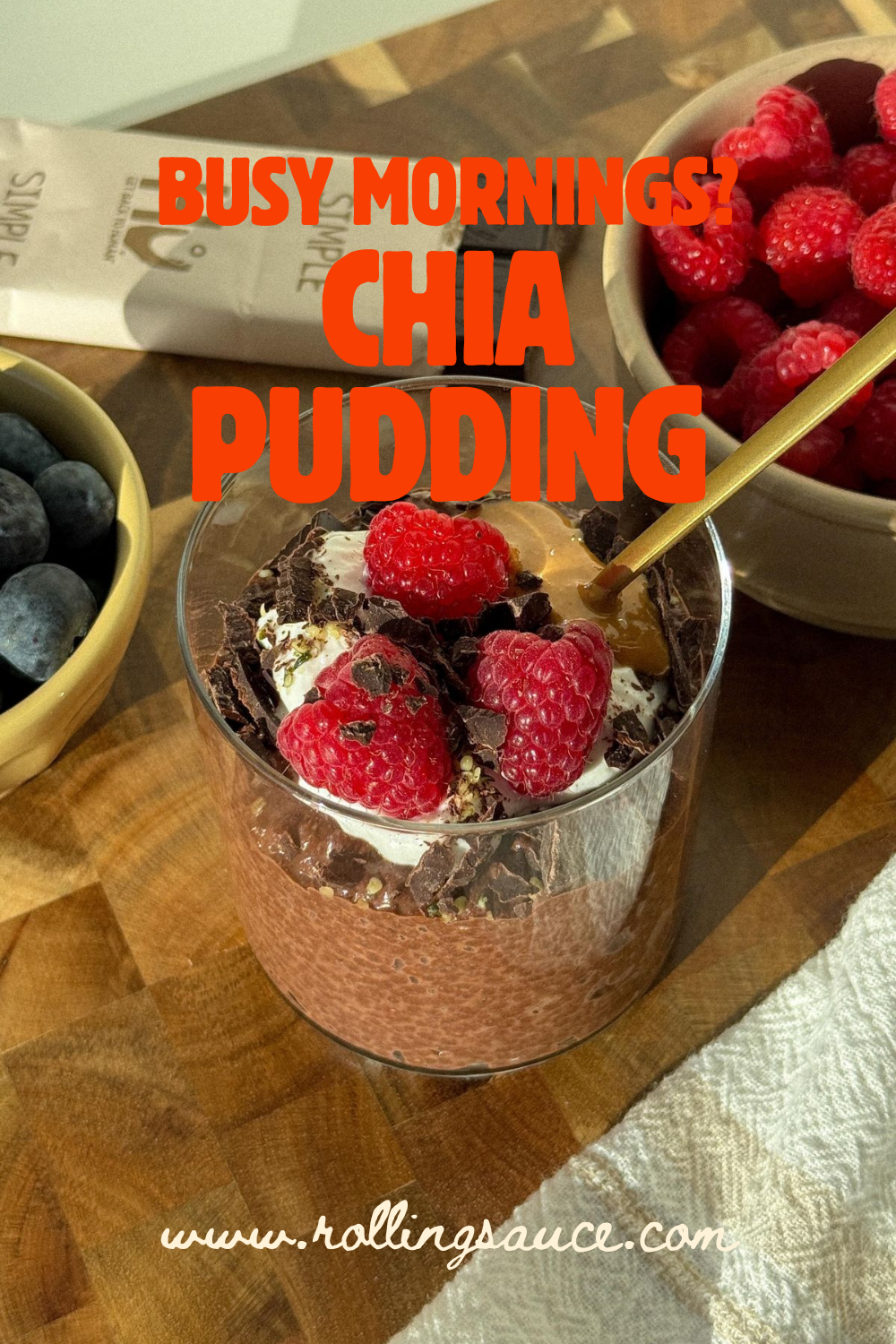
Chocolate chia pudding adds 1 tablespoon of unsweetened cocoa powder to the base before mixing. It turns out thick, rich, and genuinely dessert-adjacent. Top with fresh raspberries and a few dark chocolate shavings — the bitterness of the cocoa plays against the fruit in a way that makes it feel more like a chocolate mousse than a breakfast.
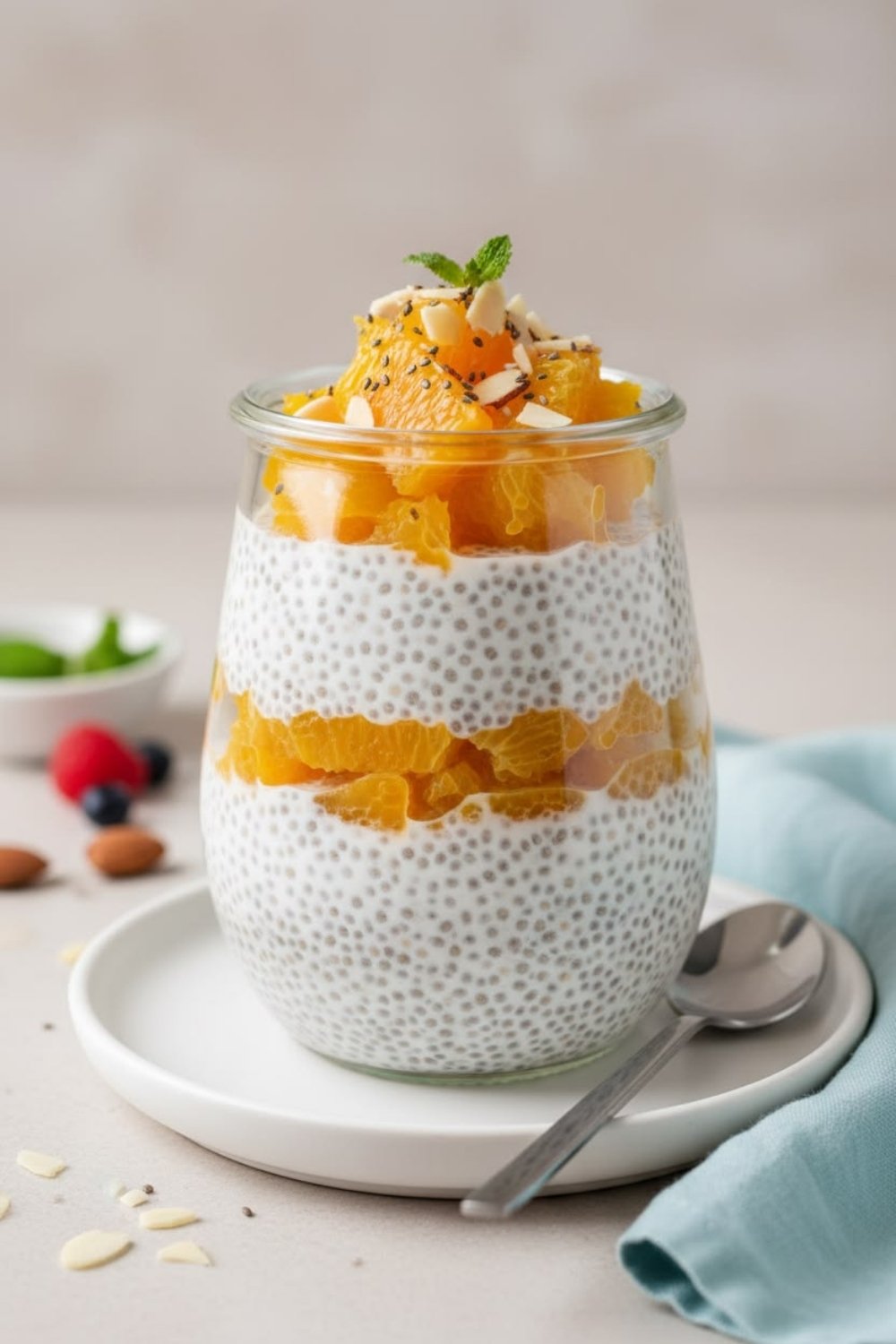
Coconut-mango uses full-fat coconut milk in the base, adds a pinch of turmeric for color (it doesn’t change the flavor much), and tops with diced fresh or frozen mango and toasted coconut flakes. This is the tropical version.
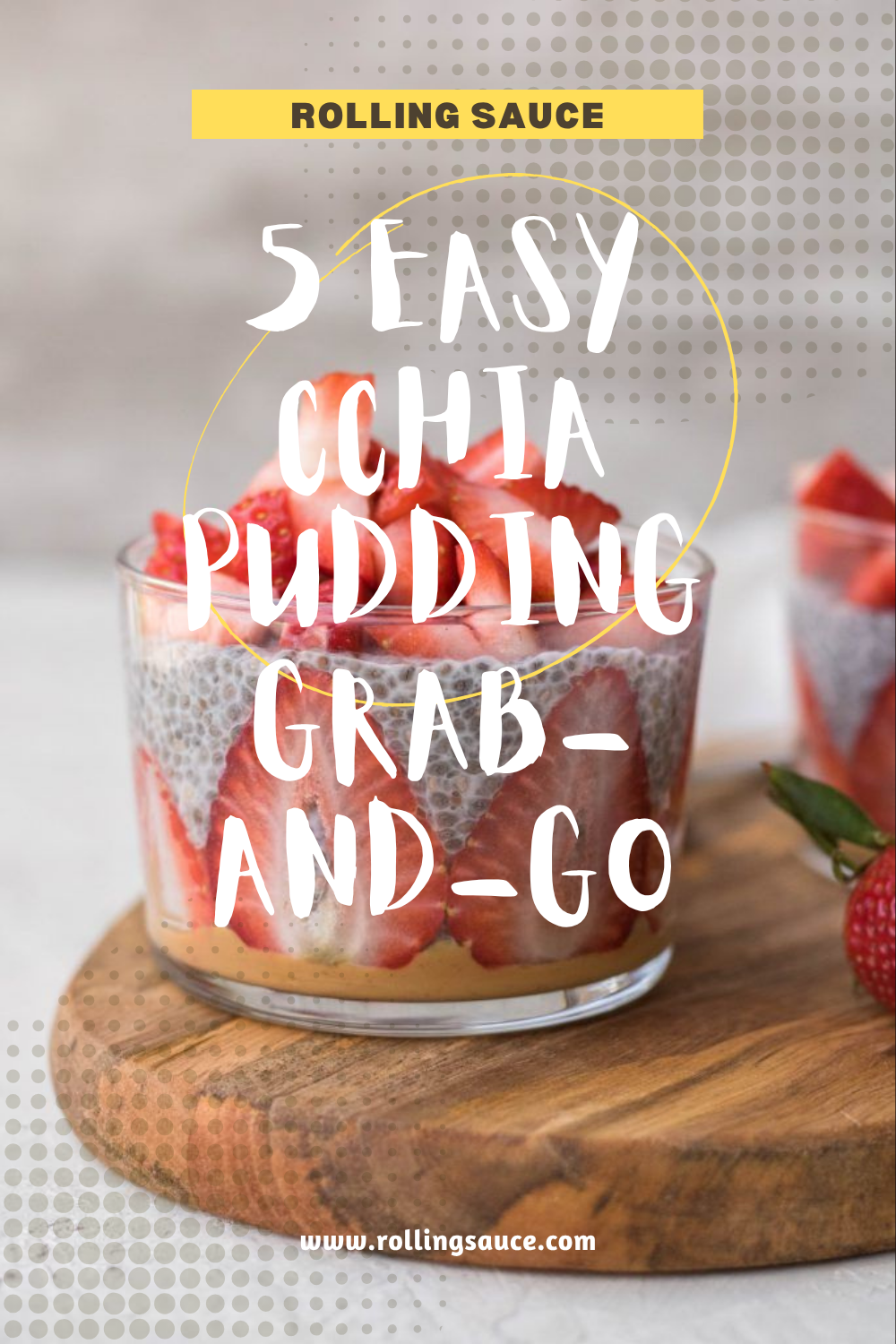
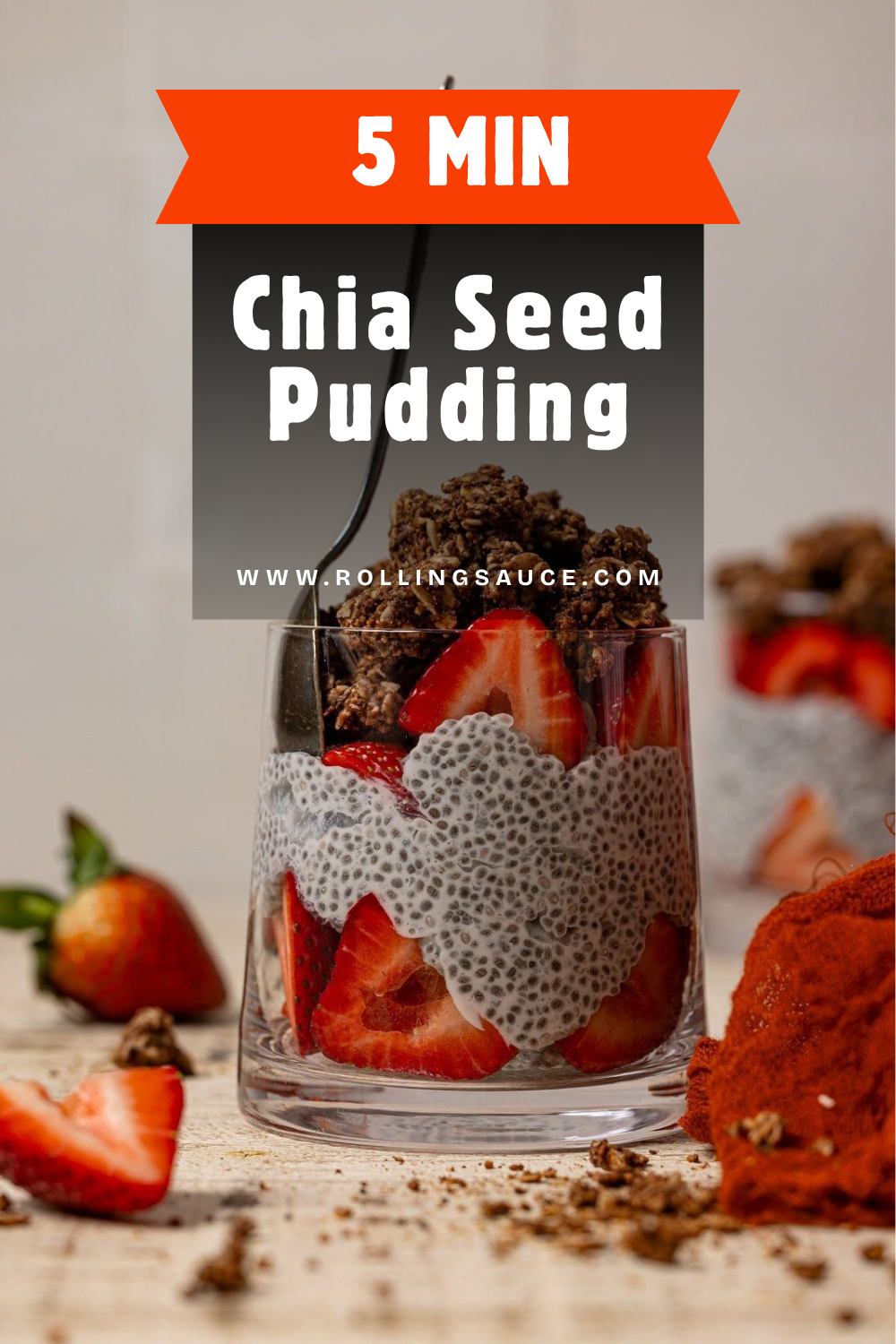
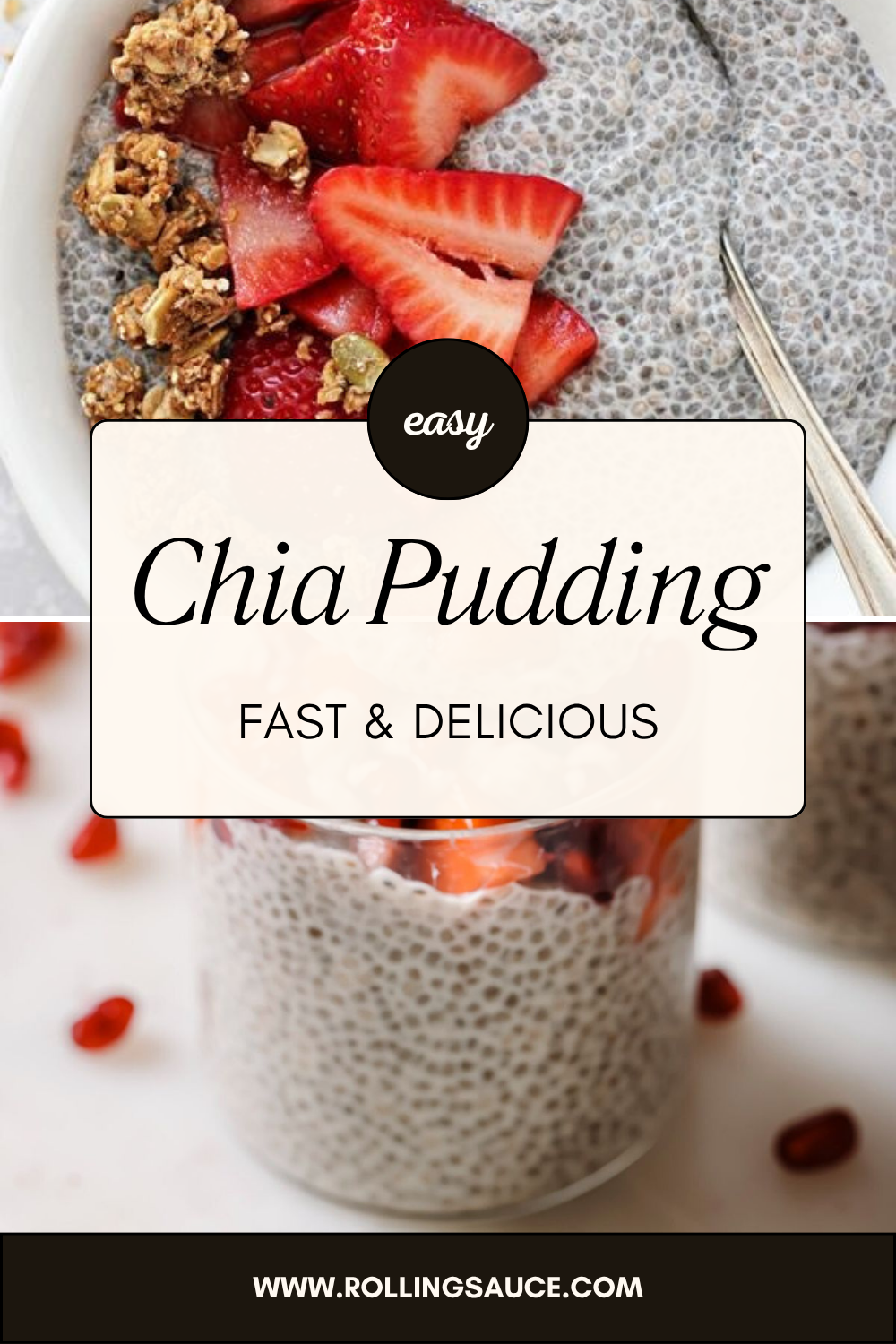
Strawberry layered fills the bottom of the jar with sliced fresh strawberries, then pours the chia base on top so the layers stay distinct. The strawberry juice slowly bleeds into the pudding layer overnight, so by morning the bottom third is tinted pink and tastes slightly sweeter. It looks great in a clear jar and takes thirty extra seconds of effort.
Peanut butter banana stirs a tablespoon of peanut butter directly into the liquid base before adding the seeds. The fat from the nut butter makes the finished pudding richer and very slightly denser. Top with sliced banana and a drizzle of honey. This is the version that most convincingly mimics the feeling of actual dessert.
Frequently Asked Questions
Can I use any type of milk? Yes. The gelling process works with any liquid, dairy or non-dairy. Full-fat coconut milk gives the thickest, creamiest result. Almond milk is lighter and looser. Oat milk lands in the middle. Whole dairy milk works well and is often the most affordable option.
Why didn’t my chia pudding set? The most common reasons: not enough chia seeds (the ratio needs to be at least 3 tablespoons per cup of liquid), seeds that are too old and have lost their absorbency, or not enough time in the fridge. If it’s still runny after 8 hours, add another tablespoon of seeds, stir, and give it another two hours.
How long does chia pudding keep? Up to five days refrigerated, covered, without toppings. Add crunchy toppings like granola and nuts right before eating so they don’t soften overnight.
Can I make it without any sweetener? Yes — the seeds have a mild, grassy flavor and some people prefer the pudding unsweetened with very sweet fruit on top instead. Unsweetened chia pudding also works well in savory applications, though that’s a different recipe.
Can I make chia pudding for kids? Yes — kids who aren’t accustomed to the texture sometimes respond better to a blended version. After the pudding sets, blend it smooth in a high-speed blender until the texture resembles regular pudding without visible seeds. The flavor stays exactly the same, and the seeds still do their nutritional work. Stir in a little extra sweetener and top with fruit and it’s a much easier sell to anyone skeptical of texture.
Is this the same kind of grab-and-go prep as overnight oats? The prep logic is identical — make it the night before, grab it from the fridge in the morning — and they work well as a weekly rotation alongside each other. If you like the structure of overnight oats but want something with less prep and lower carbs, chia pudding is the natural swap. For another fast grab-and-go morning option that doesn’t require any prep beyond opening the fridge, the cottage cheese breakfast bowl takes about the same amount of time to assemble as adding toppings to a jar of chia pudding.
Make It Part of the Week
One jar is fine. Four jars on Sunday night is better. The recipe below makes one serving, but the ratio scales directly: three tablespoons of chia seeds and one cup of milk per jar, times however many jars you want. Prep takes ten minutes total for a full week of breakfasts. If you bake on weekends and want a full morning spread ready to grab, banana oat muffins keep in an airtight container for the same five days and pair well alongside a jar of chia pudding for anyone who needs something more filling. Two items. One prep session. Mornings handled. And if you’re ever feeding a crowd on a weekend morning rather than just yourself, a make-ahead breakfast casserole follows the same prep-ahead logic at a larger scale — assembled the night before, baked in the morning, no chaos at the table.